A complete guide to camping in California
California contains more geographic variety than most countries. Campgrounds range from sea-level beach sites along 840 miles of coastline to alpine camps above 9,000 feet in the Sierra Nevada. The state holds nine national parks, more than any other, and each anchors a distinct camping region. Yosemite Valley, Joshua Tree's desert flats, Redwood old-growth forest, and Death Valley's below-sea-level basin all fall within the same state borders.
The sheer scale creates a camping scene that resists generalization. Northern California's coast is cold, foggy, and forested. Southern California's interior is hot, dry, and dominated by desert scrub. The Central Valley separates coast from mountain with flat agricultural land. The Sierra Nevada runs 400 miles along the eastern edge, holding most of the state's high-elevation camping. Big Sur, Mammoth Lakes, Susanville, and Joshua Tree each represent entirely different camping experiences separated by hours of driving and thousands of feet of elevation change.
Mar-May
High 64°F · Low 52°F
Desert wildflower season in Southern California. Coastal areas warm steadily. Sierra snowpack limits mountain access through May. The best window for Joshua Tree and Death Valley before summer heat arrives.
Jun-Aug
High 77°F · Low 65°F
Peak season for Sierra Nevada and Northern California coast campgrounds. Mountain passes open by late June. Southern California deserts are dangerously hot. Coastal fog keeps Northern California beaches cool. Campground reservations essential statewide.
Sep-Nov
High 64°F · Low 52°F
Many campers consider this the best season. Sierra crowds thin while weather holds. Desert temperatures drop to comfortable levels by October. Fire season is a concern in many regions through November.
Dec-Feb
High 51°F · Low 39°F
Coastal and desert camping remain viable. Sierra campgrounds close above 5,000 feet as snow arrives. Southern California deserts see peak visitation from snowbirds and weekend campers escaping cold. Rain season on the coast.
| Season | Months | Avg High | Avg Low | Conditions |
|---|---|---|---|---|
| Spring | Mar-May | 64°F | 52°F | Desert wildflower season in Southern California. |
| Summer | Jun-Aug | 77°F | 65°F | Peak season for Sierra Nevada and Northern California coast campgrounds. |
| Fall | Sep-Nov | 64°F | 52°F | Many campers consider this the best season. |
| Winter | Dec-Feb | 51°F | 39°F | Coastal and desert camping remain viable. |
Source: NOAA 30-Year Climate Normals

| Region | Terrain | Key Areas |
|---|---|---|
| Sierra Nevada | Mountain | Mammoth Lakes, Yosemite, Bishop, Lone Pine |
| Northern California Coast | Coastal | Big Sur, Mendocino, Trinidad, Crescent City |
| Southern California Desert | Desert | Joshua Tree, Borrego Springs, Furnace Creek |
| Southern California Coast | Coastal | San Diego, San Clemente, Malibu, Ventura |
| Cascades and Far North | Mountain | Susanville, Mt. Shasta, Burney, Chester |
| Central Valley and Foothills | Plains | Bakersfield, Sacramento, Auburn, Mariposa |
Mountain · Mammoth Lakes, Yosemite, Bishop, Lone Pine
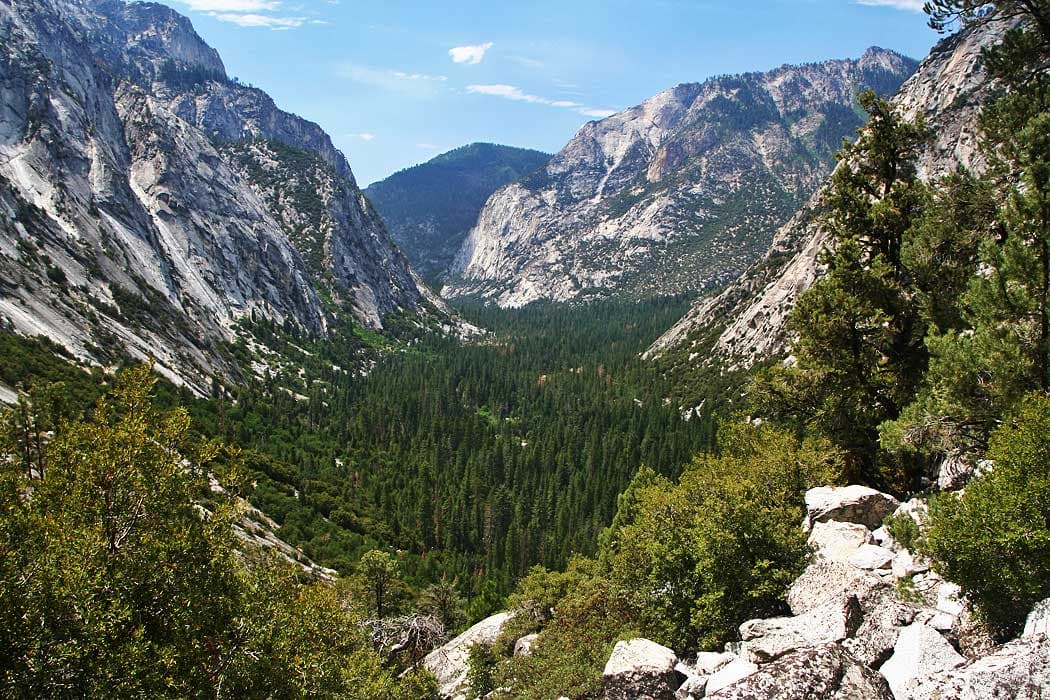
The backbone of California camping. Yosemite, Sequoia, and Kings Canyon national parks anchor the range. Campgrounds from 4,000 to 9,000 feet in elevation. Mammoth Lakes and the Eastern Sierra provide high-desert camping with mountain access. Season runs June through October at most elevations. Mammoth Mountain RV Park and McGee Creek RV Park and Campground near Mammoth Lakes anchor the Eastern Sierra, while Creekside RV Park in Bishop serves the southern end of the range.
Coastal · Big Sur, Mendocino, Trinidad, Crescent City
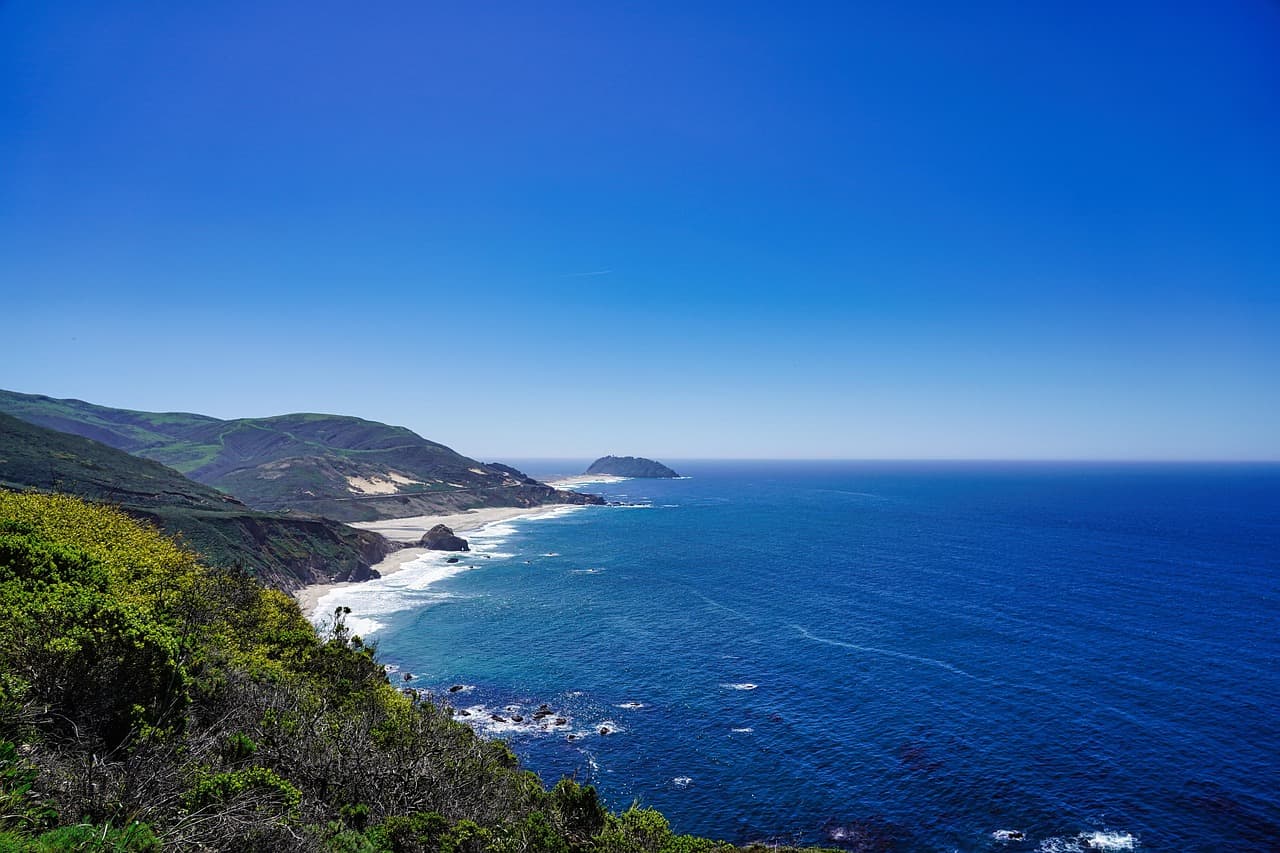
Redwood forest and rocky coastline from Big Sur north through Mendocino, Humboldt, and Del Norte counties. Cool and foggy year-round. Campgrounds sit among old-growth trees and on coastal bluffs. Big Sur's campgrounds are among the most sought-after in the state. Riverside Campground and Cabins and Big Sur Campground and Cabins along the Big Sur River provide the most sought-after coastal sites, with Mendocino Grove offering glamping-style camping further north.
Desert · Joshua Tree, Borrego Springs, Furnace Creek
Joshua Tree and Death Valley national parks define the region. Winter camping is the norm with comfortable daytime temps in the 60s and 70s. Anza-Borrego Desert State Park adds another major camping destination. Summer is off-season due to extreme heat. Joshua Tree Lake RV and Campground provides the primary private option near Joshua Tree, while Furnace Creek Campground anchors Death Valley camping.
Coastal · San Diego, San Clemente, Malibu, Ventura
San Diego, Orange County, and the Channel Islands offer beach-adjacent camping in a Mediterranean climate. Year-round camping with the mildest weather in the state. Campgrounds are heavily used and require advance reservations. Campland on the Bay on Mission Bay in San Diego and San Onofre Beach Camp near San Clemente put campers on the water, with San Elijo State Beach in Cardiff adding coastal bluff sites.
Mountain · Susanville, Mt. Shasta, Burney, Chester
Lassen Volcanic and the Shasta-Trinity region offer less crowded mountain camping. Volcanic terrain, alpine lakes, and dense conifer forests. Susanville and the Modoc Plateau extend into high desert. Shorter season than the Sierra due to heavier snowfall. Eagle Lake RV Park near Susanville and Burney Falls Resort RV Park near Burney provide developed options along the volcanic corridor.
Plains · Bakersfield, Sacramento, Auburn, Mariposa
The agricultural heartland between coast and mountains. Gold Country foothills along Highway 49 provide rolling terrain with oak woodlands and seasonal creeks. Hot summers drive most camping to the foothill transition zone. Bakersfield and the southern valley connect to Sequoia access. Orange Grove RV Park and Resort in Bakersfield serves travelers heading to Sequoia, while Sacramento Shade RV Park provides capital-area access.

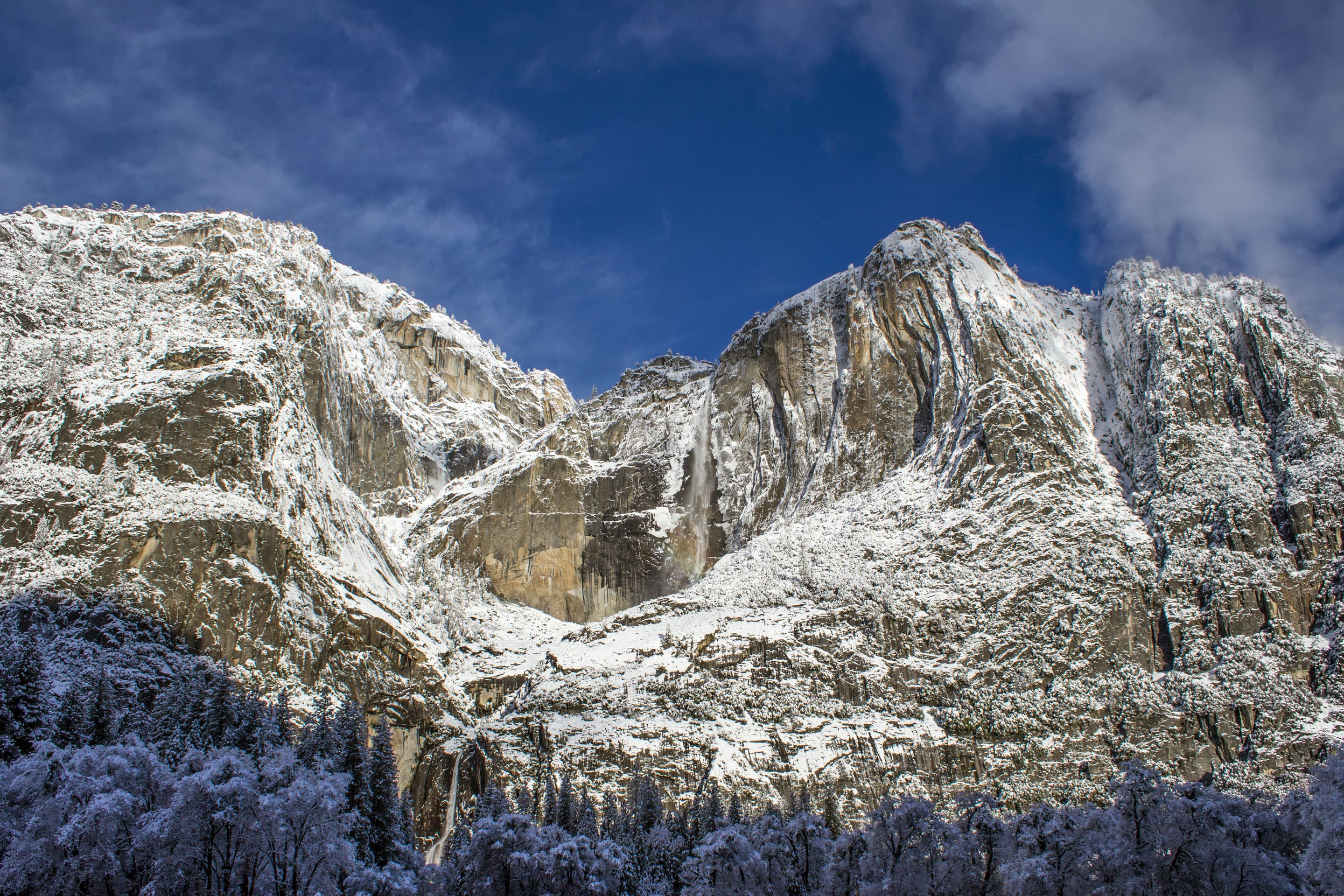
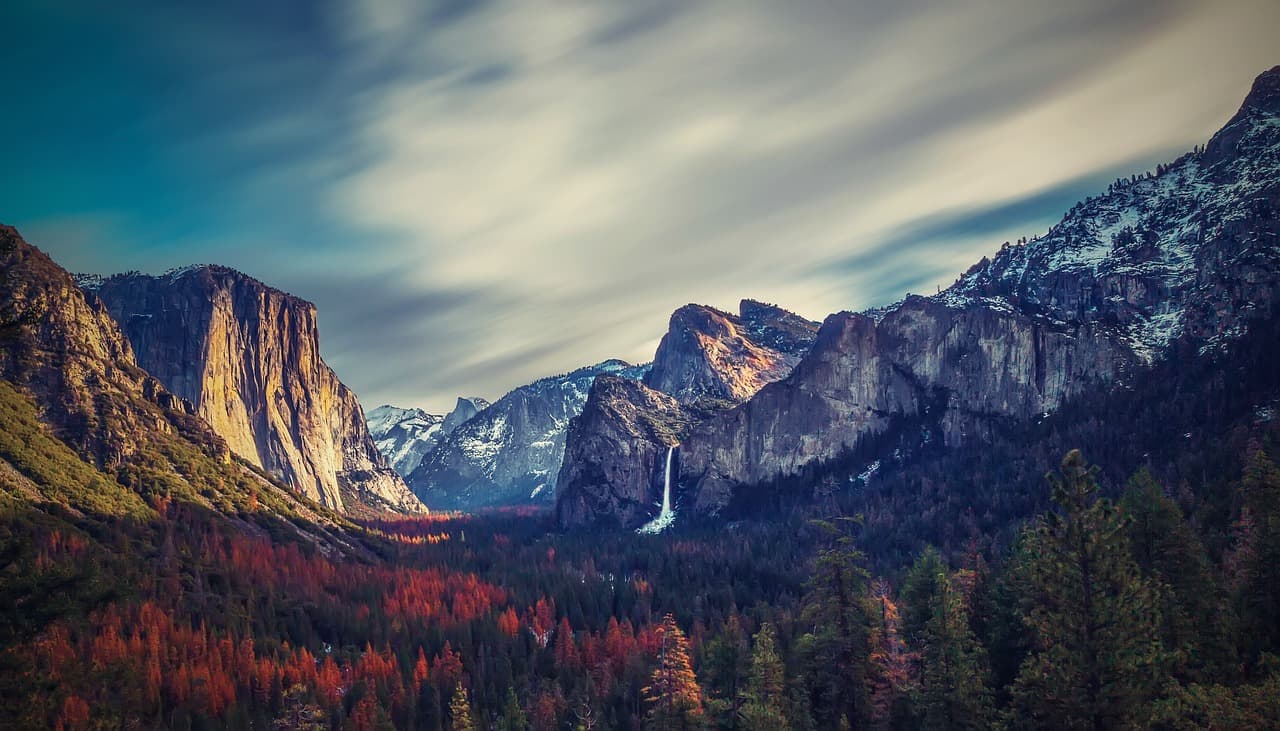
Iconic granite cliffs, giant sequoias, and thundering waterfalls in California's Sierra Nevada.
View camping guide →
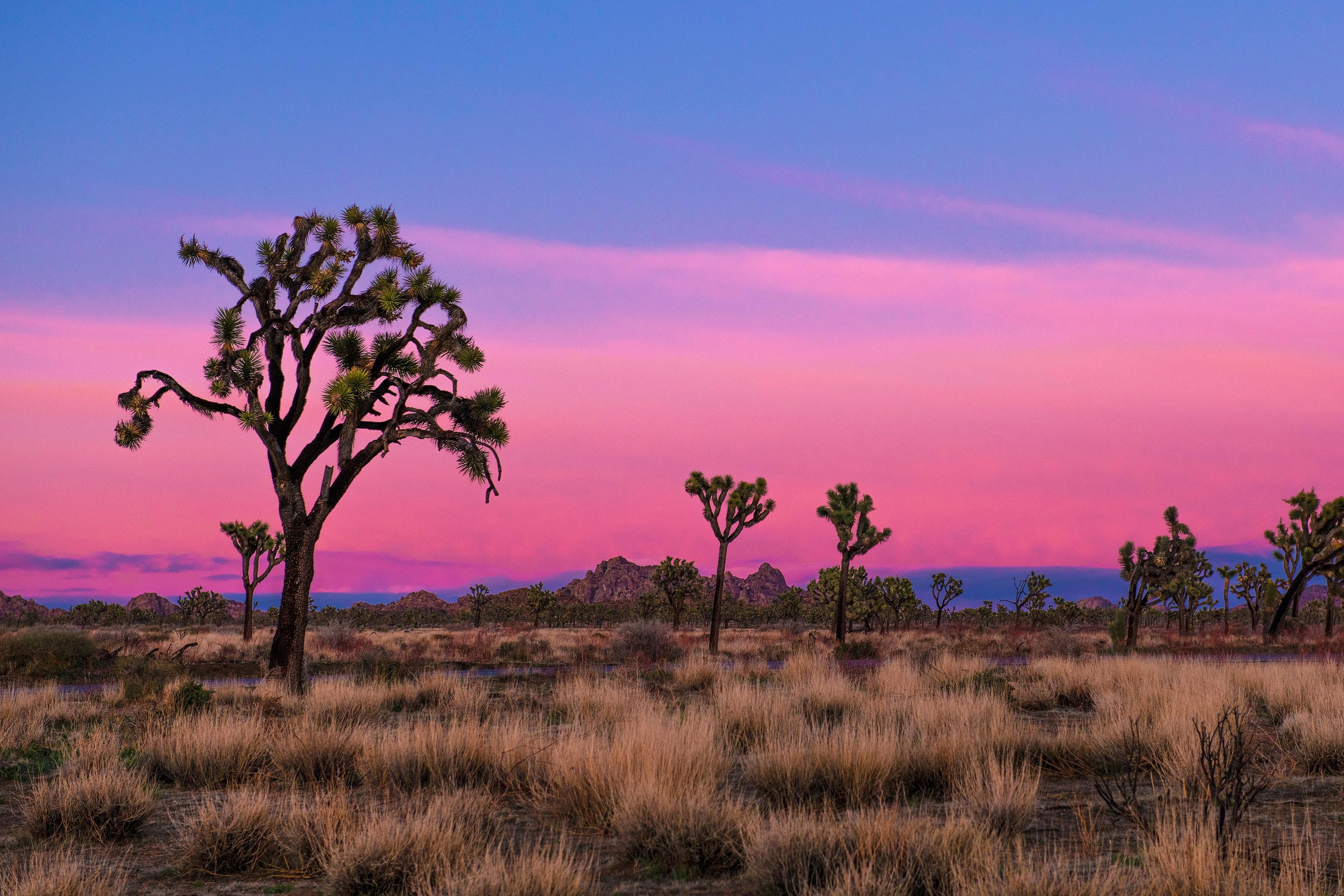
Where the Mojave and Colorado deserts meet, creating a surreal landscape of twisted trees and towering boulder formations.
View camping guide →
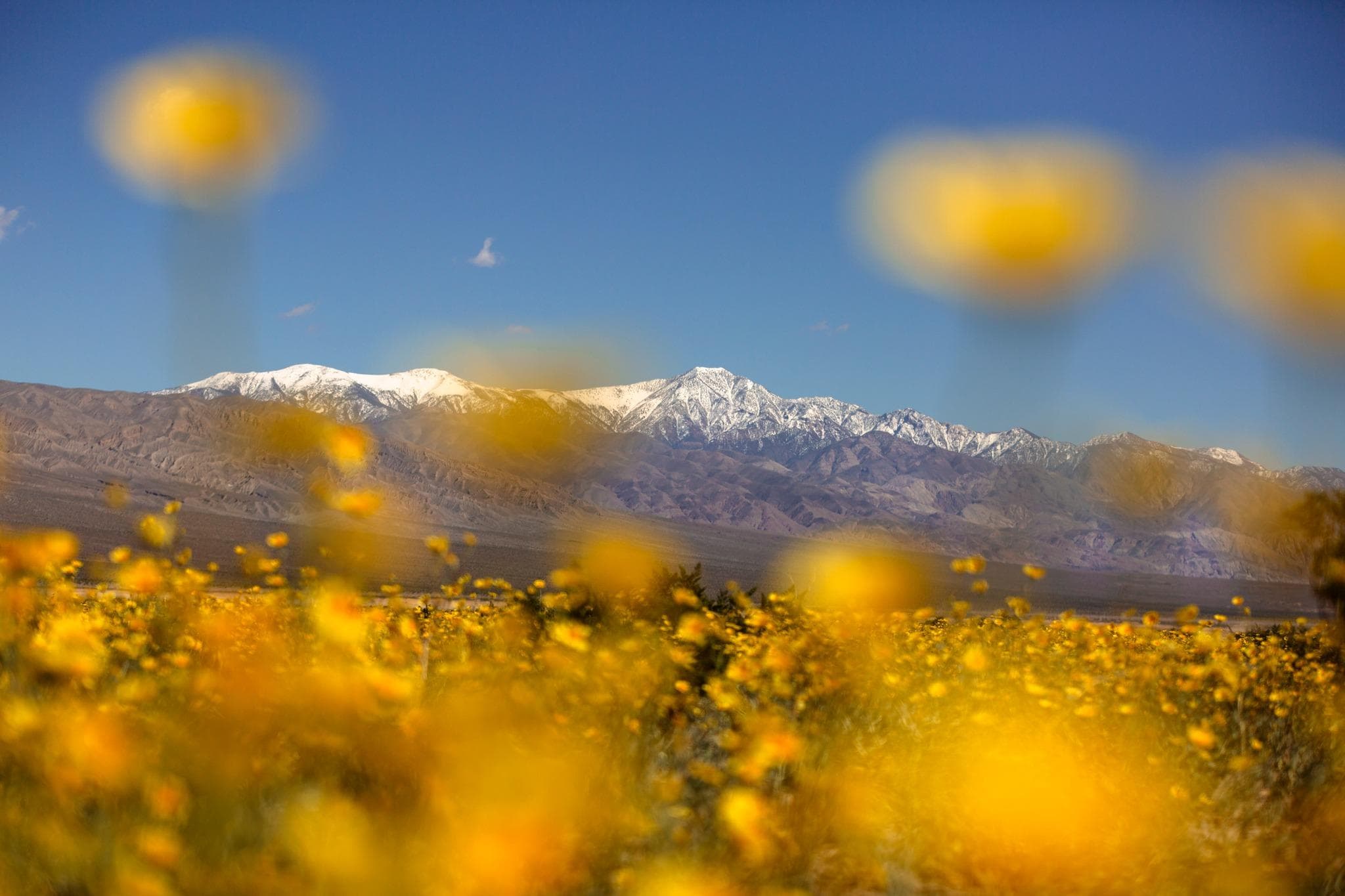
The hottest, driest, and lowest national park, spanning 3.4 million acres from 282 feet below sea level to over 11,000 feet above.
View camping guide →
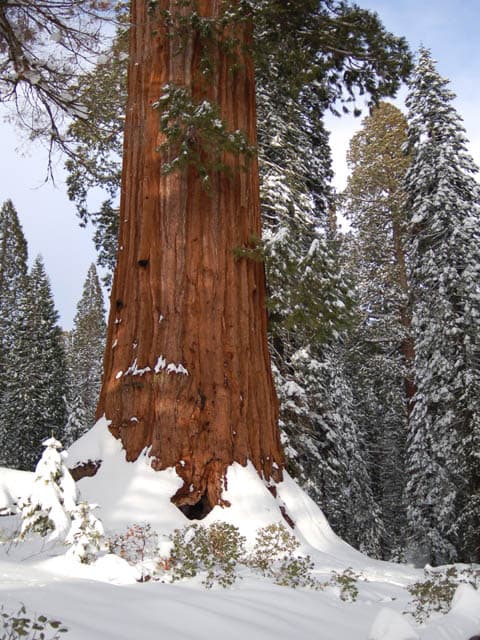
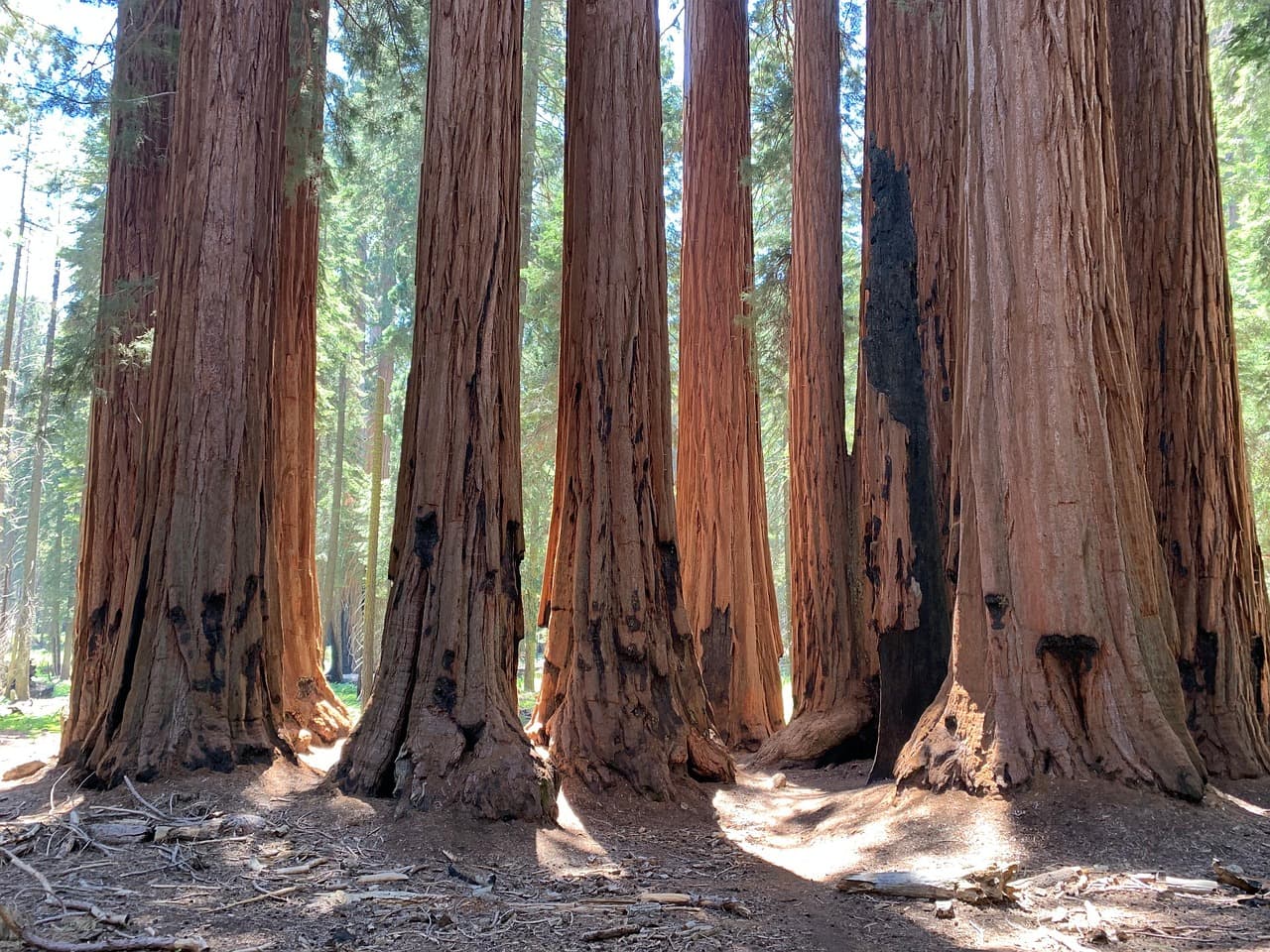
Home to the world's largest trees and the High Sierra wilderness of California's southern mountain range.
View camping guide →
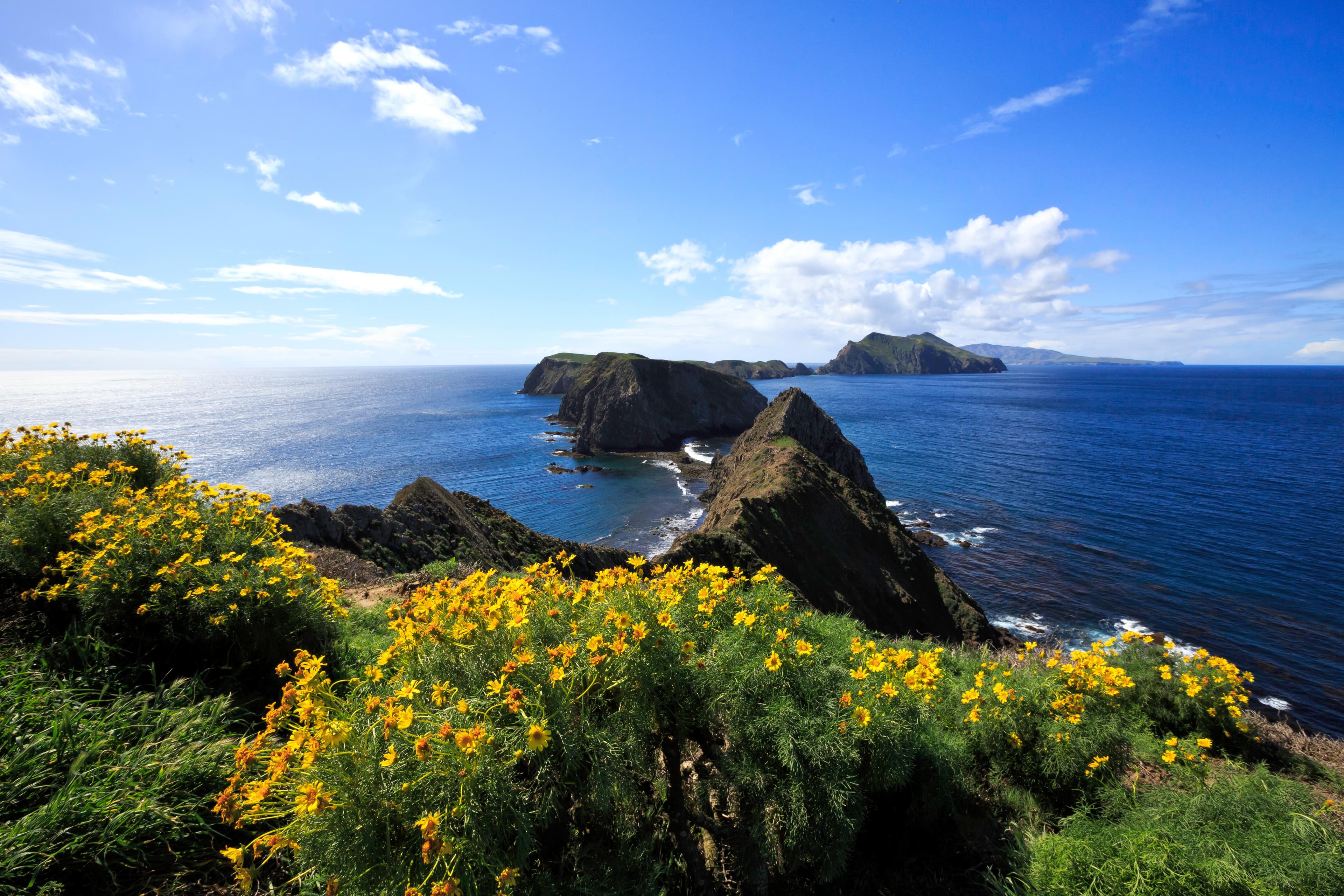
Camp on remote islands accessible only by boat, surrounded by sea caves, kelp forests, and island foxes found nowhere else on Earth.
View camping guide →
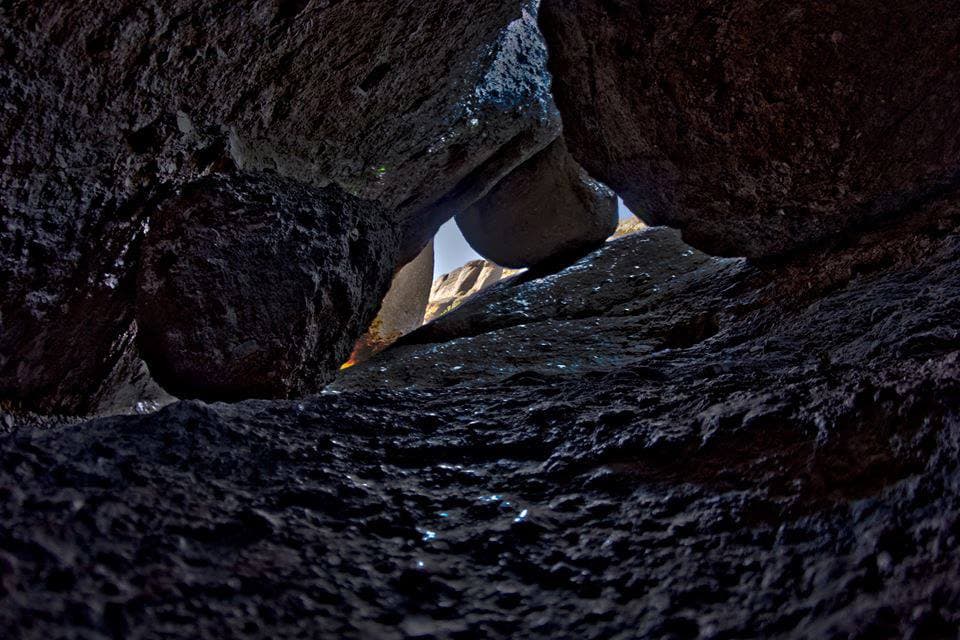
Camp beneath volcanic spires where rare talus caves shelter bats and endangered California condors soar overhead.
View camping guide →
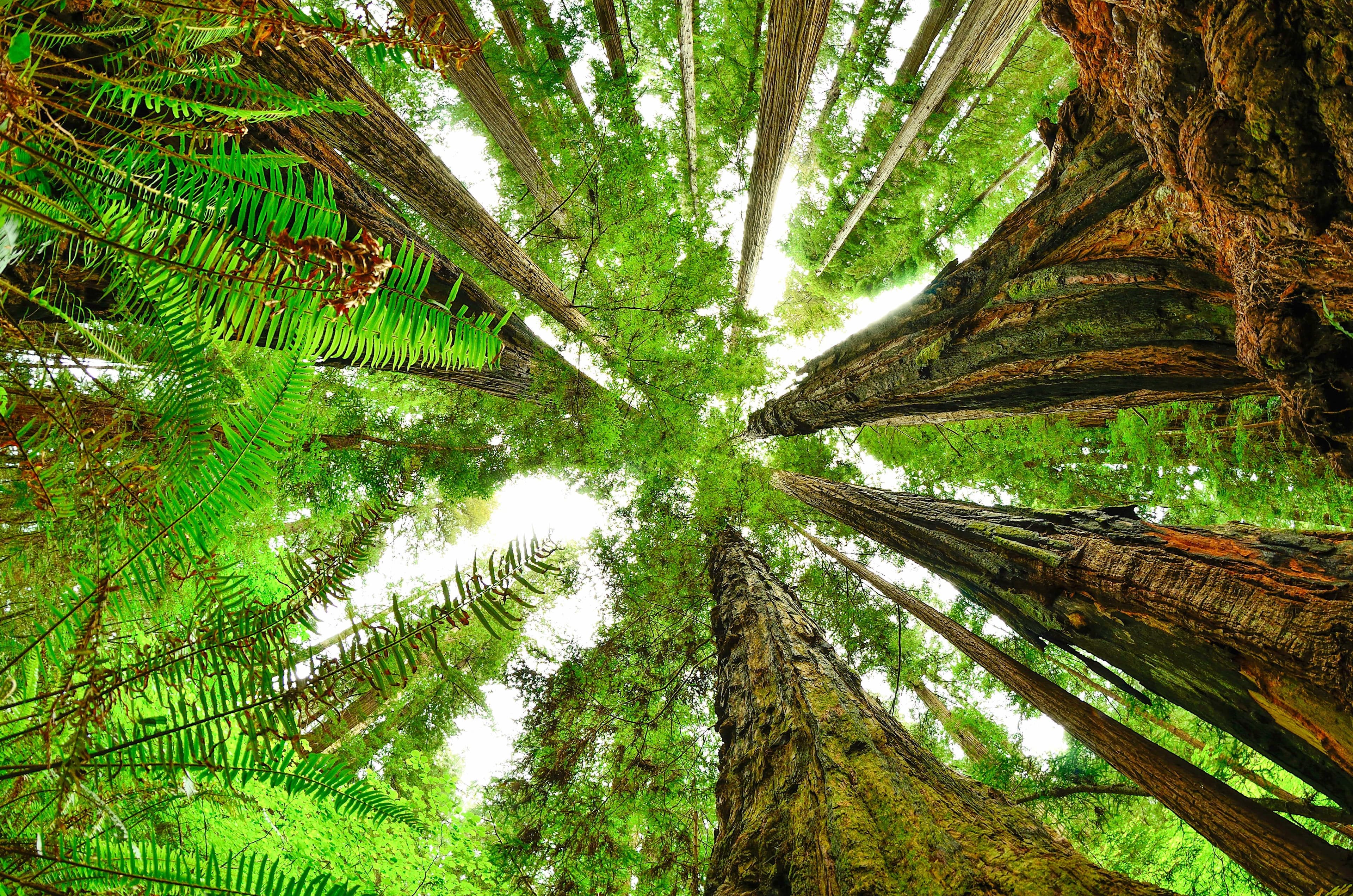
Camp among the world's tallest trees on a wild northern California coast where ancient redwoods meet pristine beaches and Roosevelt elk graze in open meadows.
View camping guide →
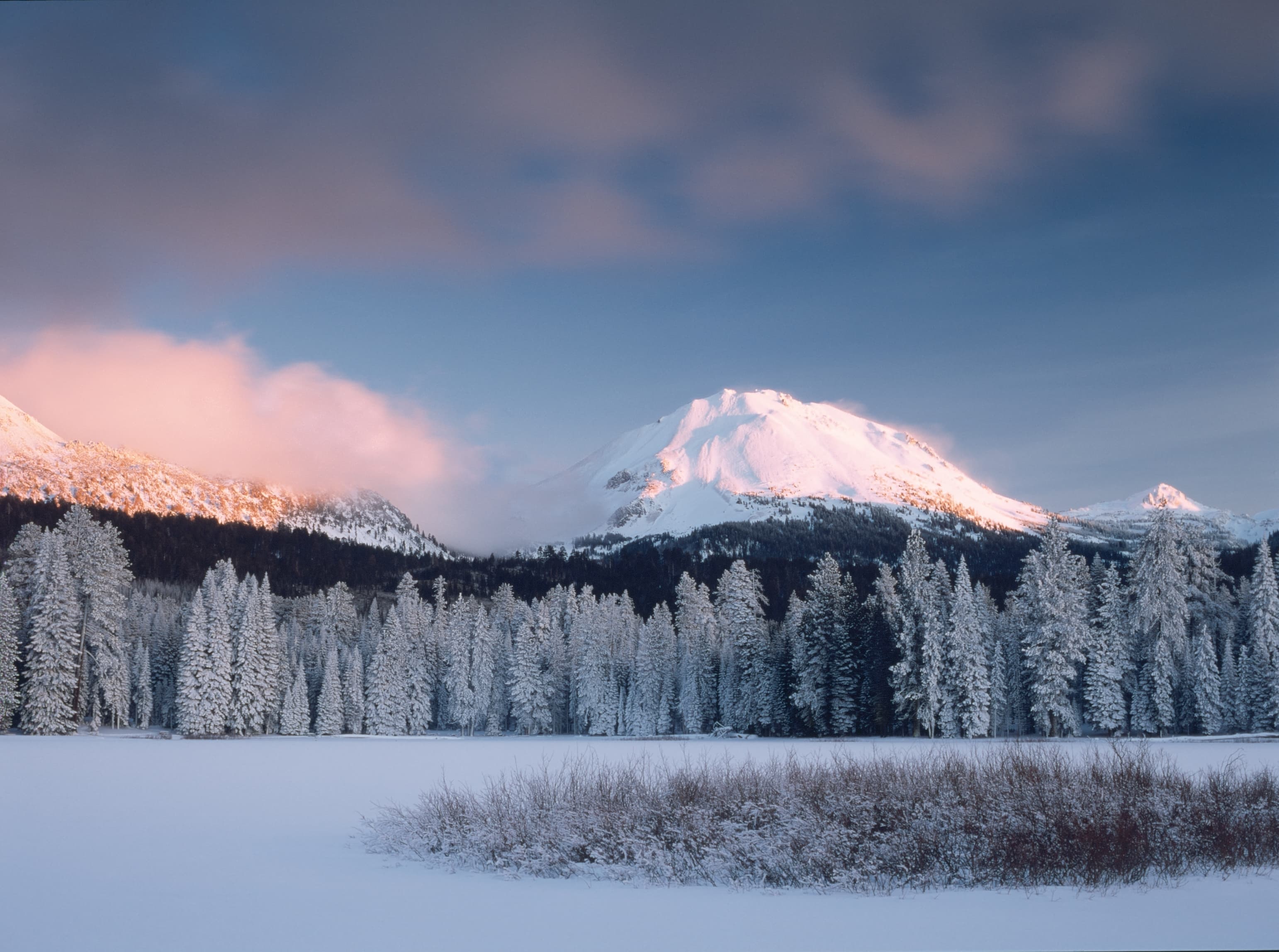
Camp among hydrothermal wonders and volcanic landscapes where all four types of volcanoes exist within a single park.
View camping guide →
Camp in North America's deepest canyon among giant sequoia groves and granite-walled river valleys in the Sierra Nevada high country.
View camping guide →
Yosemite Valley campgrounds operate year-round, though Upper Pines is the only one open in winter. Reservations open five months in advance on Recreation.gov and sell out almost immediately for summer dates. Spring (April-May) and fall (September-October) offer better availability with pleasant weather.
Dispersed camping is permitted on most national forest land but not in national or state parks. Popular areas include the Sierra, Los Padres, and Shasta-Trinity national forests. Check local ranger district rules for fire restrictions and seasonal closures.
Summer highs along the Mendocino and Humboldt coasts average 55 to 65 degrees, with fog common through August. Nighttime temperatures drop into the 40s year-round. Pack warm layers, a wind-resistant tent, and rain gear regardless of season.
October through April is the camping season. Winter daytime temperatures range from 55 to 75 degrees with cold nights. Spring brings wildflower blooms in wet years. Summer temperatures regularly exceed 100 degrees and camping is not recommended.
Fire restrictions vary by region, elevation, and current conditions. Many areas ban campfires entirely during dry months (typically July through November). Always check the specific national forest or park fire regulations before your trip. Portable stoves are usually permitted even when fires are banned.