Camping Near Yosemite National Park
California | Established 1890
About Yosemite National Park
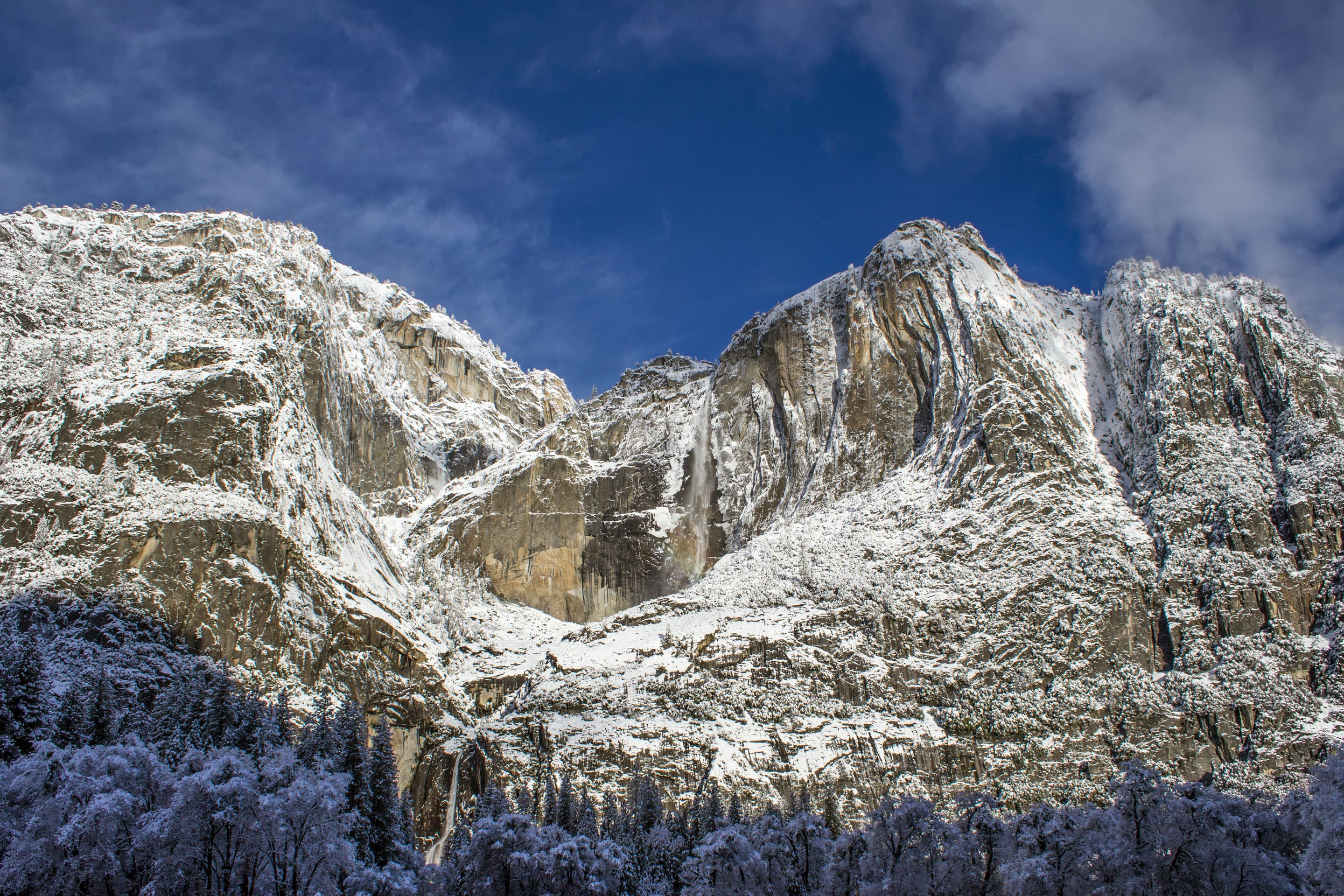
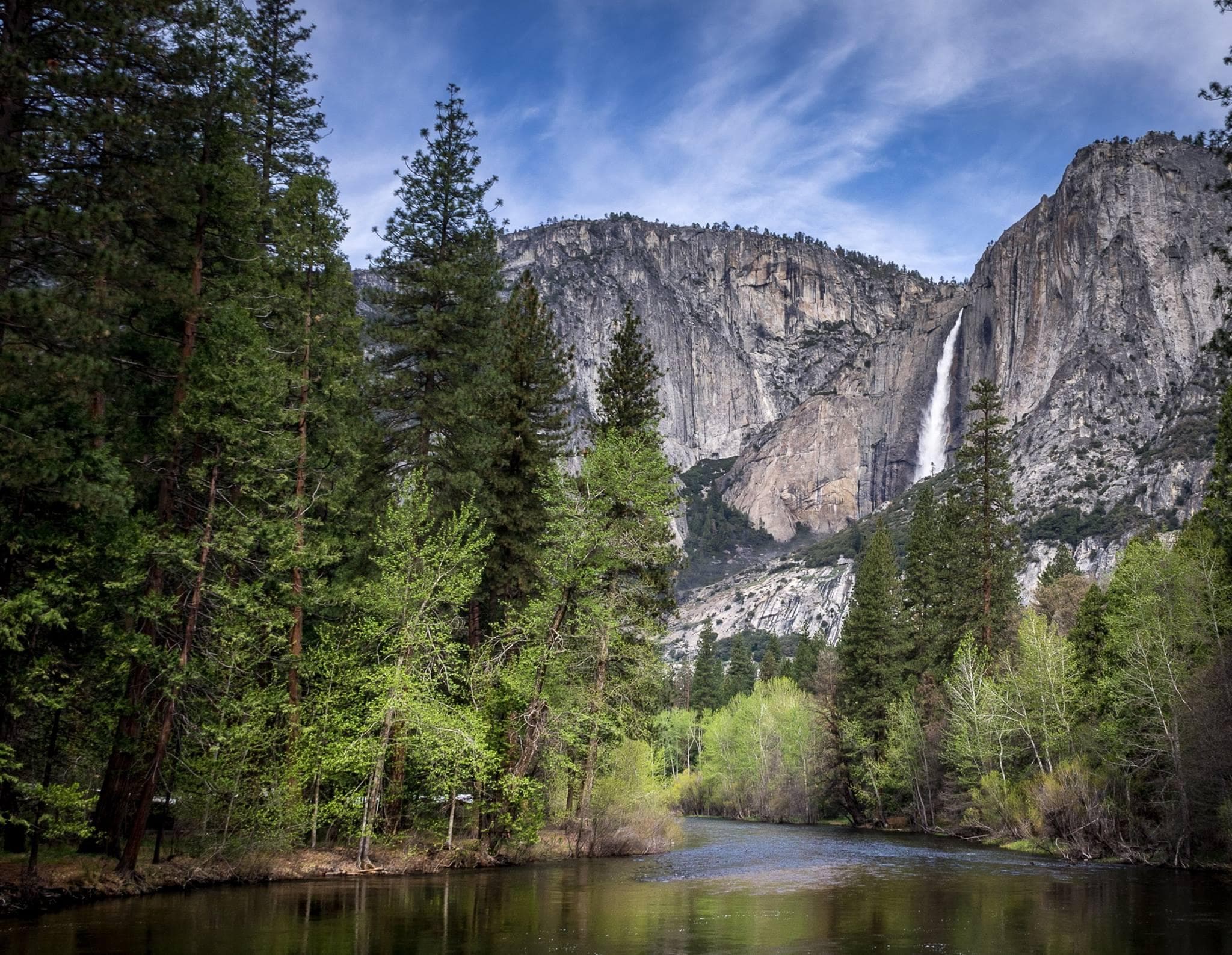
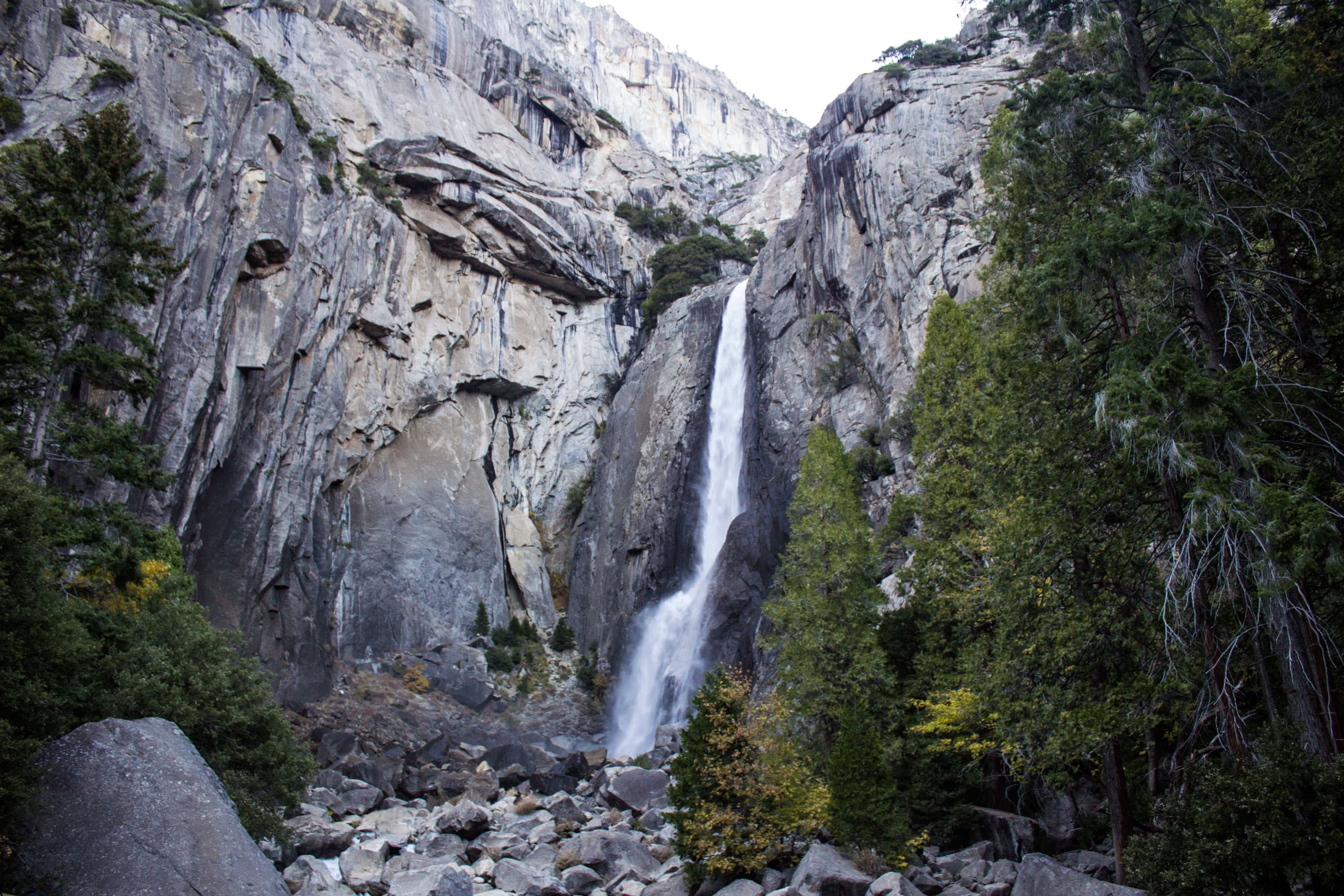
Yosemite National Park protects 748,542 acres of Sierra Nevada wilderness in central California, with 94 percent designated as federal wilderness. The park is defined by the glacier-carved Yosemite Valley, where sheer granite walls rise 3,000 to 5,000 feet above the Merced River. El Capitan, Half Dome, and Yosemite Falls are among the most recognizable natural landmarks on Earth.
Thirteen campgrounds offer more than 1,400 sites across the park, from the valley floor at 4,000 feet to Tuolumne Meadows at 8,600 feet. No campground in Yosemite has electric, water, or sewer hookups. Valley campgrounds like Upper Pines operate year-round and require reservations five months in advance, while high-country campgrounds open in July after snowmelt and can be booked two weeks ahead.
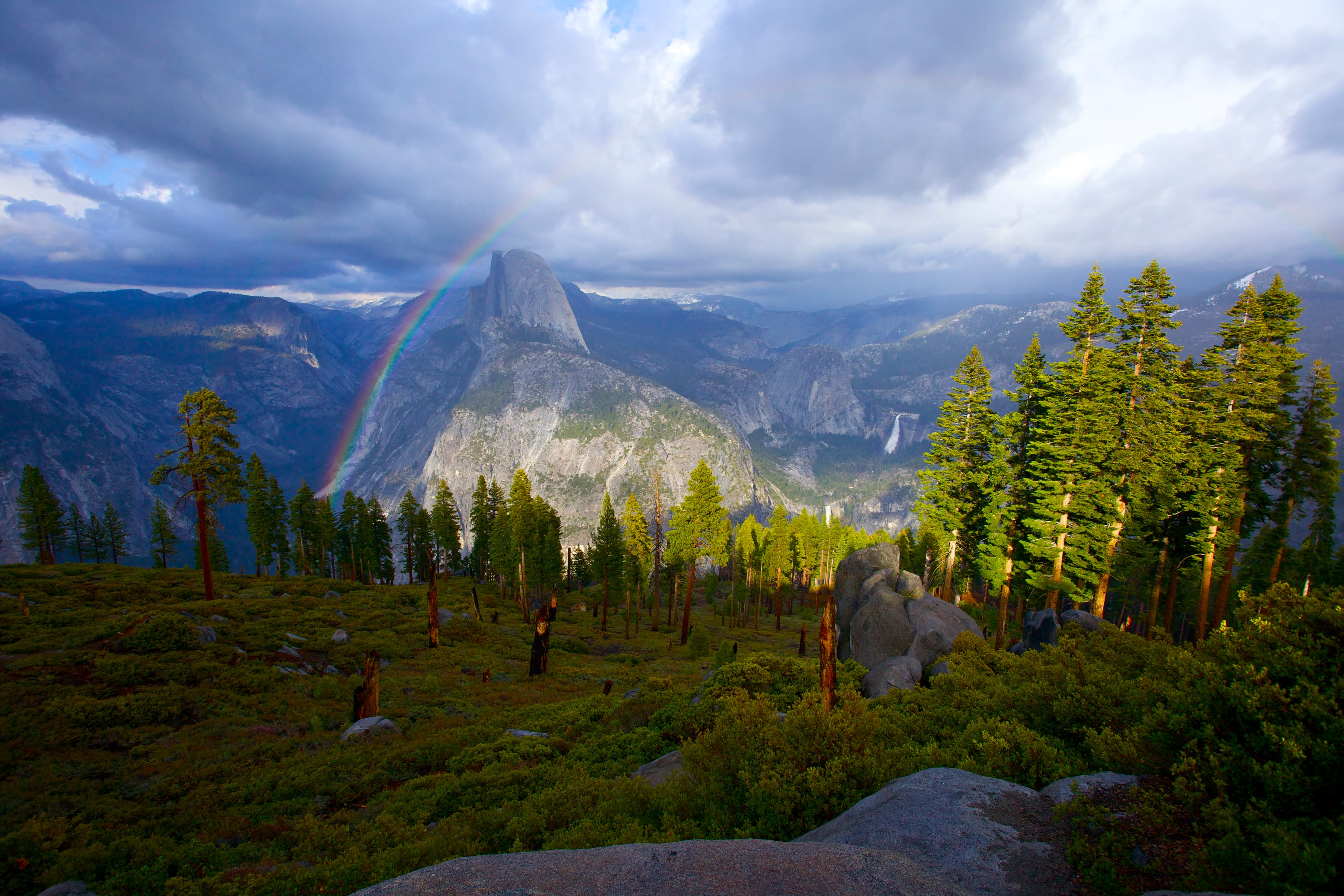
Beyond the famous valley, Tioga Road (Highway 120) crosses the park at high elevation from July through November, connecting to Tuolumne Meadows and the park's vast backcountry. Mariposa Grove protects over 500 mature giant sequoias, including the Grizzly Giant estimated at 1,800 years old. Glacier Point provides a 7,214-foot overlook with panoramic views of Half Dome, Yosemite Falls, and the valley floor.
Camping Tips for Yosemite
- Valley campground reservations open five months in advance on the 15th of each month through Recreation.gov. Set an alarm and book the moment they open, as Upper Pines, Lower Pines, and North Pines sell out within minutes.
- No campground in Yosemite has electric, water, or sewer hookups. RV dump stations are available at Upper Pines year-round and at Wawona and Tuolumne Meadows in summer.
- Bear canisters are mandatory for all backcountry camping. In developed campgrounds, use the provided bear-proof food lockers for all food, coolers, toiletries, and scented items. Fines are issued for improper food storage.
- Maximum RV length is 35 to 40 feet depending on the campground. Lower Pines and North Pines accept up to 40 feet, while most others cap at 35 feet. Camp 4 is walk-in tents only with a six-person-per-site limit.
- Tuolumne Meadows (304 sites at 8,600 feet) is the best alternative when valley campgrounds are full. It opens in July with cooler temperatures, fewer crowds, and outstanding high-country hiking.
RV Parks & Campgrounds Near Yosemite National Park

221.Crane Valley Group Campground
The Sierra National Forest offers a wide variety of natural beauty and recreational opportunities. Visitors can enjoy camping, horseback riding, swimming, picnicking, biking, and...
Show more
222.Lost Claim Campground
Lost Claim attracts families and friends with its convenient location, just 15 miles from the northwest Yosemite National Park boundary in northern California. Deemed as an ideal...
Show more
223.West Kaiser Campground
West Kaiser Campground is a highly-rated campground located in Lakeshore, California, boasting an impressive 4.9 out of 5 stars from visitor reviews. This scenic destination...
Show more224.Pacific Valley Campground
Located in California's Central Sierras with 78 lakes, 811 miles of streams and rivers, and more than 1,000 miles of hiking trails, the Stanislaus National Forest is the perfect...
Show more225.Sawmill Campground
The Inyo National Forest offers a wide range of recreation opportunities, including camping and cabins. However, no specific information is available about the Sawmill Campground,...
Show more
226.Pumice Flat Campground
Pumice Flat Campground is a campground located in the Inyo National Forest. It offers a variety of recreation opportunities, including hiking, fishing, and horse riding. The...
Show more227.C L M Services
C L M Services is a campground located in Mammoth Lakes, California, offering a convenient base for exploring this popular mountain destination. Situated in the heart of the...
Show more
228.Pioneer Yosemite Campground Reservation
Pioneer Yosemite Campground is located in Tuolumne Meadows, California, offering a highly-rated camping experience with an impressive 4.7/5 Google rating from visitors. This...
Show more229.Upper Pine Grove Campground
Upper Pine Grove Campground is a campground located in the Inyo National Forest. It offers a variety of recreation opportunities, including hiking, fishing, and horse riding. The...
Show more
230.Hull Creek / Trout Creek OHV Area (recgovnpsdata)
Hull Creek / Trout Creek OHV Area is an off-highway vehicle recreation area located near Long Barn, California. This destination is ideal for OHV enthusiasts looking to explore...
Show moreShowing 221–230 of 273 campgrounds within 50 miles
Frequently Asked Questions
What campgrounds are inside Yosemite National Park?
Yosemite has 13 campgrounds with over 1,400 total sites. Valley campgrounds include Upper Pines (238 sites, year-round), Lower Pines (60 sites), North Pines (81 sites), and Camp 4 (61 walk-in sites, $10/person). High-country options include Tuolumne Meadows (304 sites) and several smaller campgrounds along Tioga Road.
Valley campgrounds cost $36 per night and are the most popular due to proximity to Yosemite Falls, Half Dome, and El Capitan. Wawona (93 sites) and Hodgdon Meadow (105 sites) operate year-round. Higher-elevation campgrounds like Bridalveil Creek, White Wolf, and Crane Flat open in summer. Tamarack Flat and Yosemite Creek cost $24 per night and have no potable water.
Are there RV hookups at Yosemite campgrounds?
No campground in Yosemite has electric, water, or sewer hookups. All camping is dry camping. RV dump stations are available at Upper Pines (year-round), Wawona (summer), and Tuolumne Meadows (summer).
Maximum RV lengths vary by campground: Lower Pines and North Pines accept up to 40 feet, Upper Pines up to 35 feet, and Hodgdon Meadow up to 35 feet. Tamarack Flat and Yosemite Creek do not accommodate RVs. Camp 4 is walk-in tents only. Private RV parks with full hookups are available in gateway towns like Mariposa, Oakhurst, and Groveland.
Do I need a reservation to camp in Yosemite?
Reservations are required at all Yosemite campgrounds during peak season. Valley campgrounds open five months in advance on the 15th of each month on Recreation.gov. High-country campgrounds open two weeks in advance. Camp 4 walk-in sites open one week ahead.
Summer reservations for valley campgrounds are extremely competitive and sell out within minutes of opening. Tips for success: create a Recreation.gov account in advance, have payment info saved, and log in right at the opening time. If you miss the reservation window, check for cancellations daily. Wawona and Hodgdon Meadow are year-round and slightly easier to book during shoulder months.
What is the bear canister requirement in Yosemite?
Approved bear canisters are mandatory for all overnight backcountry trips in Yosemite. Hanging food is illegal throughout the park. In developed campgrounds, all food and scented items must be stored in the provided bear-proof food lockers at all times when not in active use.
Bear canisters can be rented at the Yosemite Valley Wilderness Center for $5 per week with a $95 deposit. The Garcia Backpackers Cache is the model available for rent. Improper food storage results in citations and fines. Yosemite black bears have learned to break into cars, so never leave food visible in vehicles even in developed campgrounds.
Can I bring my dog to Yosemite?
Dogs on a leash of six feet or shorter are allowed in developed areas, on fully paved roads and sidewalks, and in all campgrounds except Camp 4 and group sites. Dogs are prohibited on all trails, in wilderness areas, on beaches, and on shuttle buses.
The only trail open to dogs is the Wawona Meadow Loop. For most visitors with dogs, Yosemite is challenging because all popular hikes are off-limits. Nearby Stanislaus National Forest and Sierra National Forest allow dogs on trails. Yosemite has documented cases of rabies and distemper in wildlife, so keep pets leashed and vaccinated.
When is the best time to visit Yosemite?
Late May through early June offers peak waterfall flow from snowmelt combined with comfortable valley temperatures in the 70s. July and August are warmest and busiest with all facilities open. September brings thinner crowds, warm days, and cool nights ideal for hiking.
Yosemite Falls typically runs strongest from April through June and may dry up completely by late August. Tioga Road and Glacier Point Road usually open in late May or June and close with the first heavy snow in November. Winter brings ice skating, cross-country skiing, and dramatic views of snow-covered granite, with fewer visitors and available camping at Upper Pines, Wawona, and Hodgdon Meadow.
Do I need a permit to hike Half Dome?
A permit is required to hike the Half Dome cables, which are up from late May through mid-October. Permits are distributed through a preseason lottery in March and a daily lottery two days before each hiking date, both through Recreation.gov. About 300 day hikers are allowed per day.
The Half Dome hike is 14 to 16 miles round trip with 4,800 feet of elevation gain from the valley floor, taking most hikers 10 to 12 hours. The final 400 feet ascend granite using steel cables bolted into the rock. Start before dawn to allow enough time. The preseason lottery runs throughout March, and daily lottery results are posted two evenings before the hike date.
What are the best hikes in Yosemite?
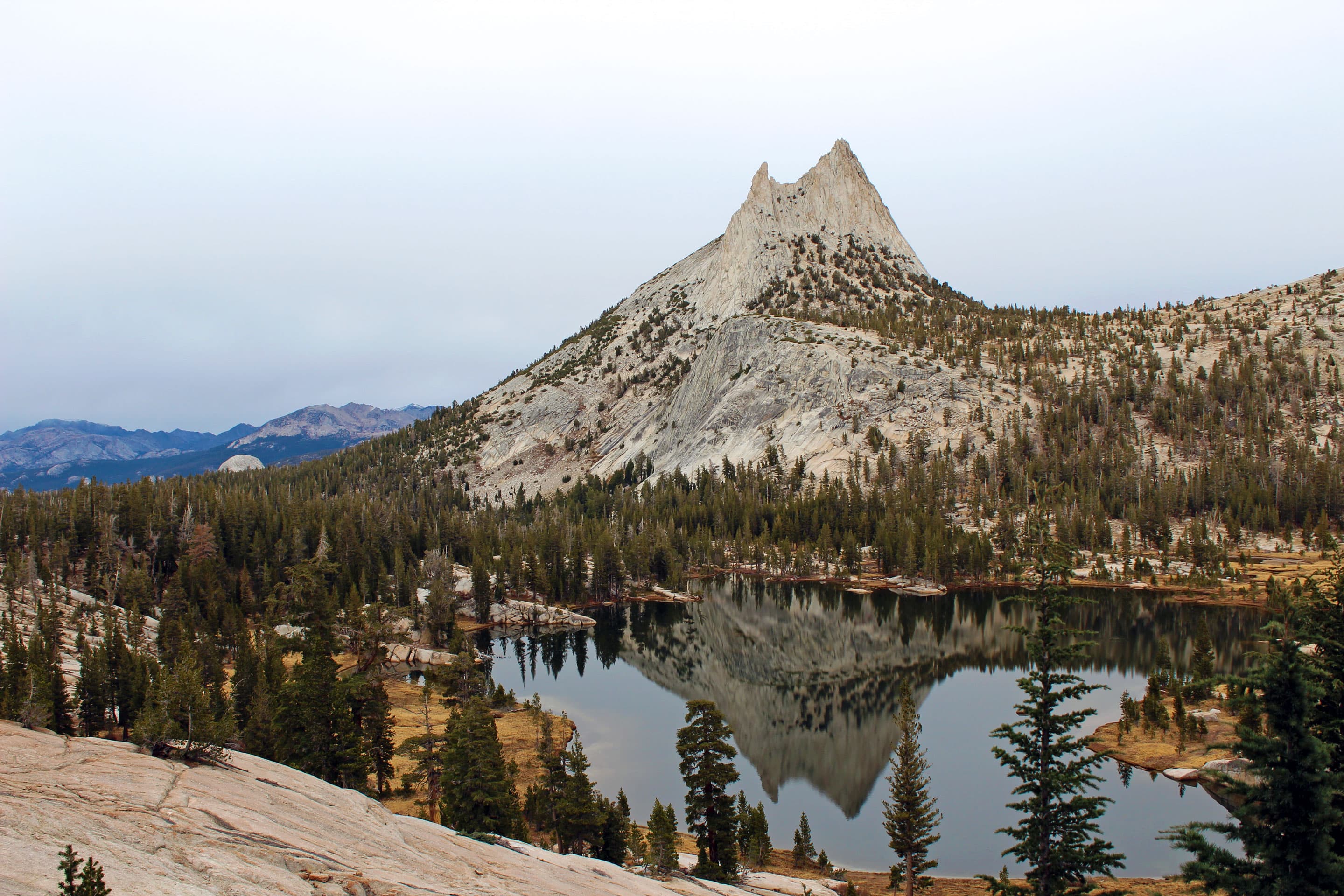
Top hikes include Mist Trail to Vernal and Nevada Falls (5.4 miles round trip), Mirror Lake Loop (5 miles, flat), Yosemite Falls Trail (7.2 miles round trip, strenuous), Glacier Point via Four Mile Trail (9.6 miles round trip), and Cathedral Lakes in Tuolumne Meadows (7 miles round trip).
For families, the valley floor loop trail offers flat, paved walking with views of major landmarks. The Mist Trail is the most popular moderate hike, climbing alongside Vernal Fall where the spray soaks hikers in spring. Glacier Point via Four Mile Trail gains 3,200 feet for panoramic views of Half Dome and the valley. In the high country, Cathedral Lakes and Lembert Dome near Tuolumne Meadows offer quieter trails with alpine scenery.
Quick Facts
- Entrance Fee
- $35/vehicle (7 days)
- Best Time to Visit
- May – September
- Nearest Town
- Mariposa, CA, Oakhurst, CA, Groveland, CA
- Elevation
- 2,127 – 13,114 ft
- Park Size
- 748,542 acres
- Annual Visitors
- ~3.9 million