Camping Near White Sands National Park
New Mexico | Established 2019
About White Sands National Park
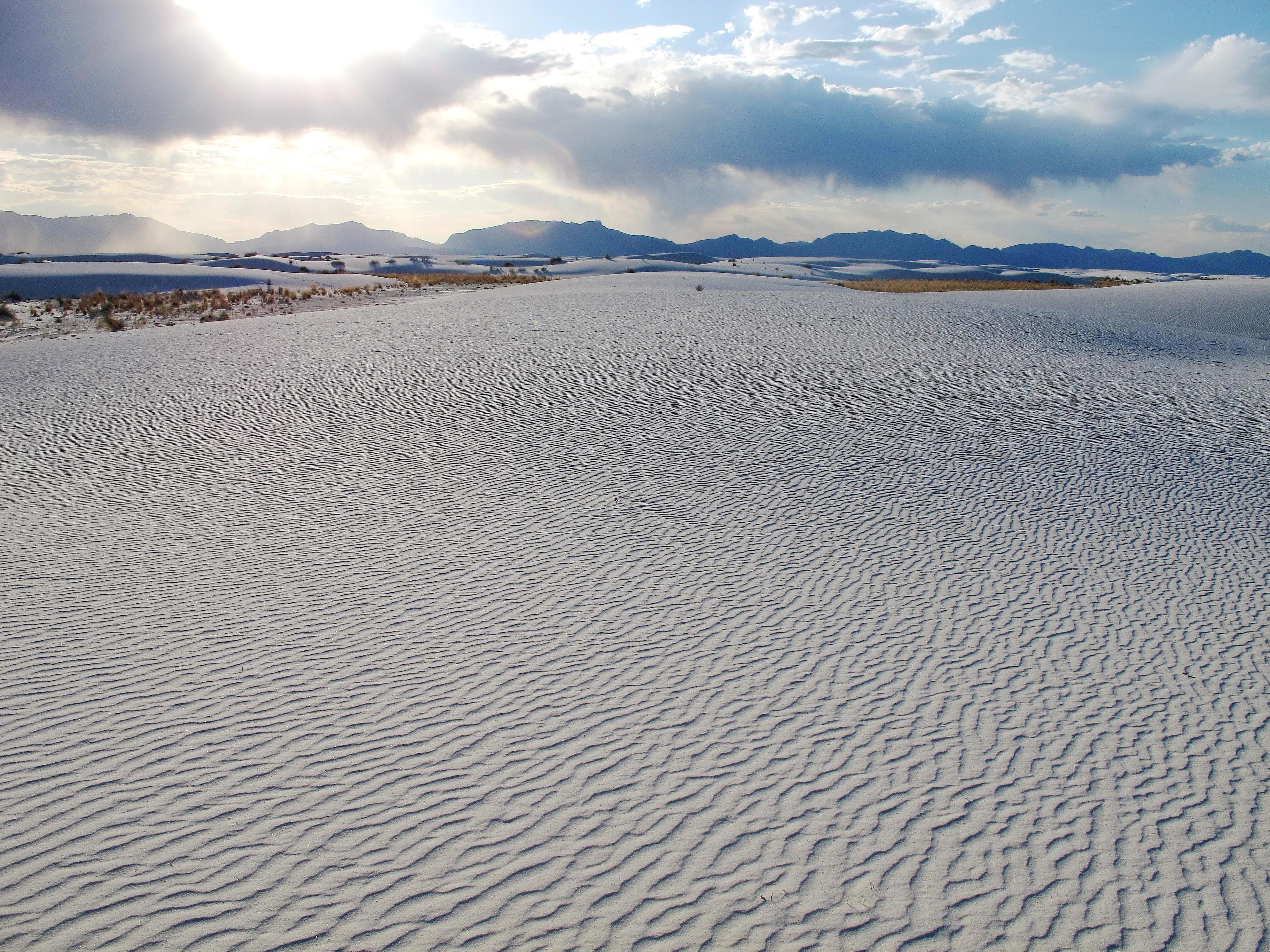
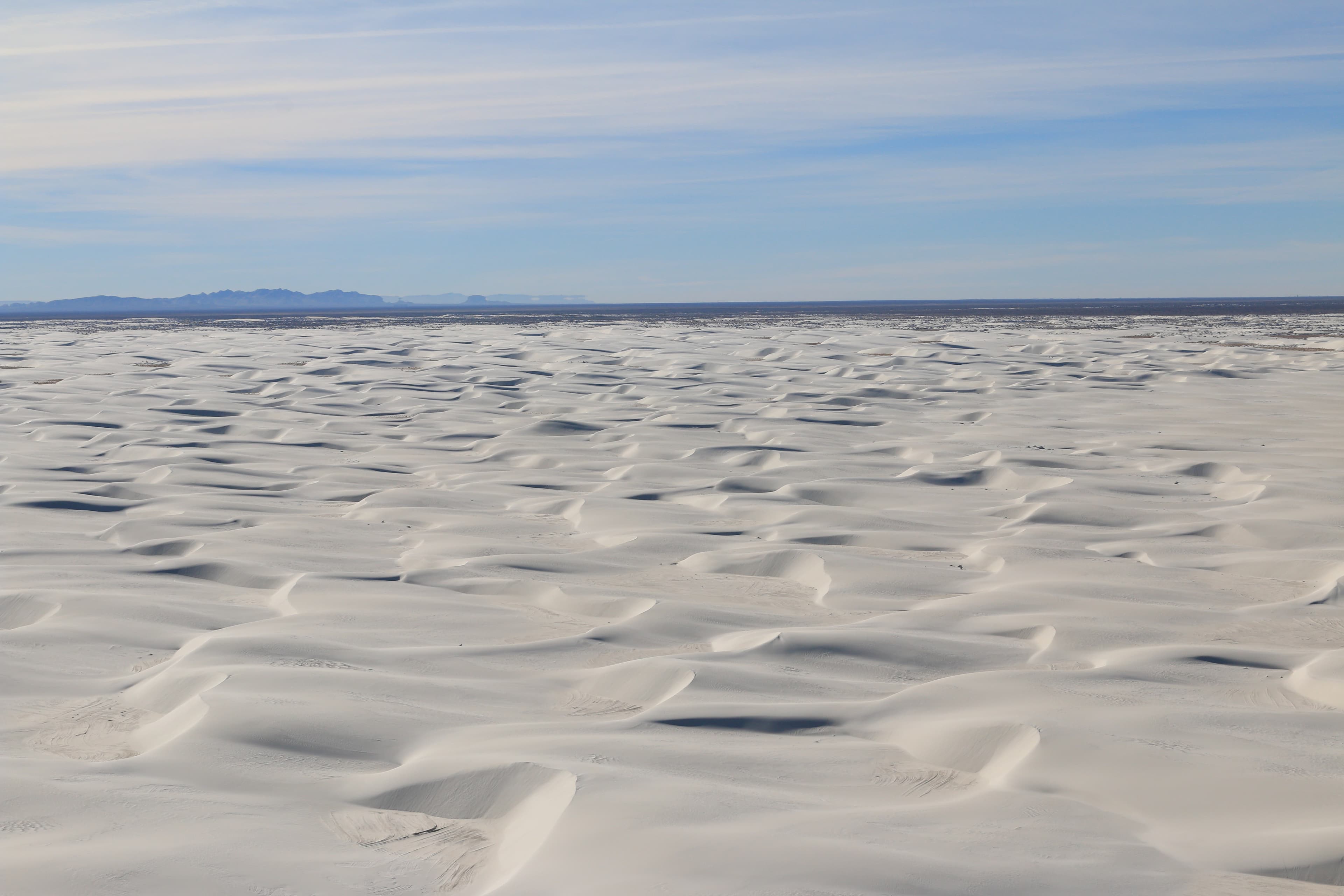
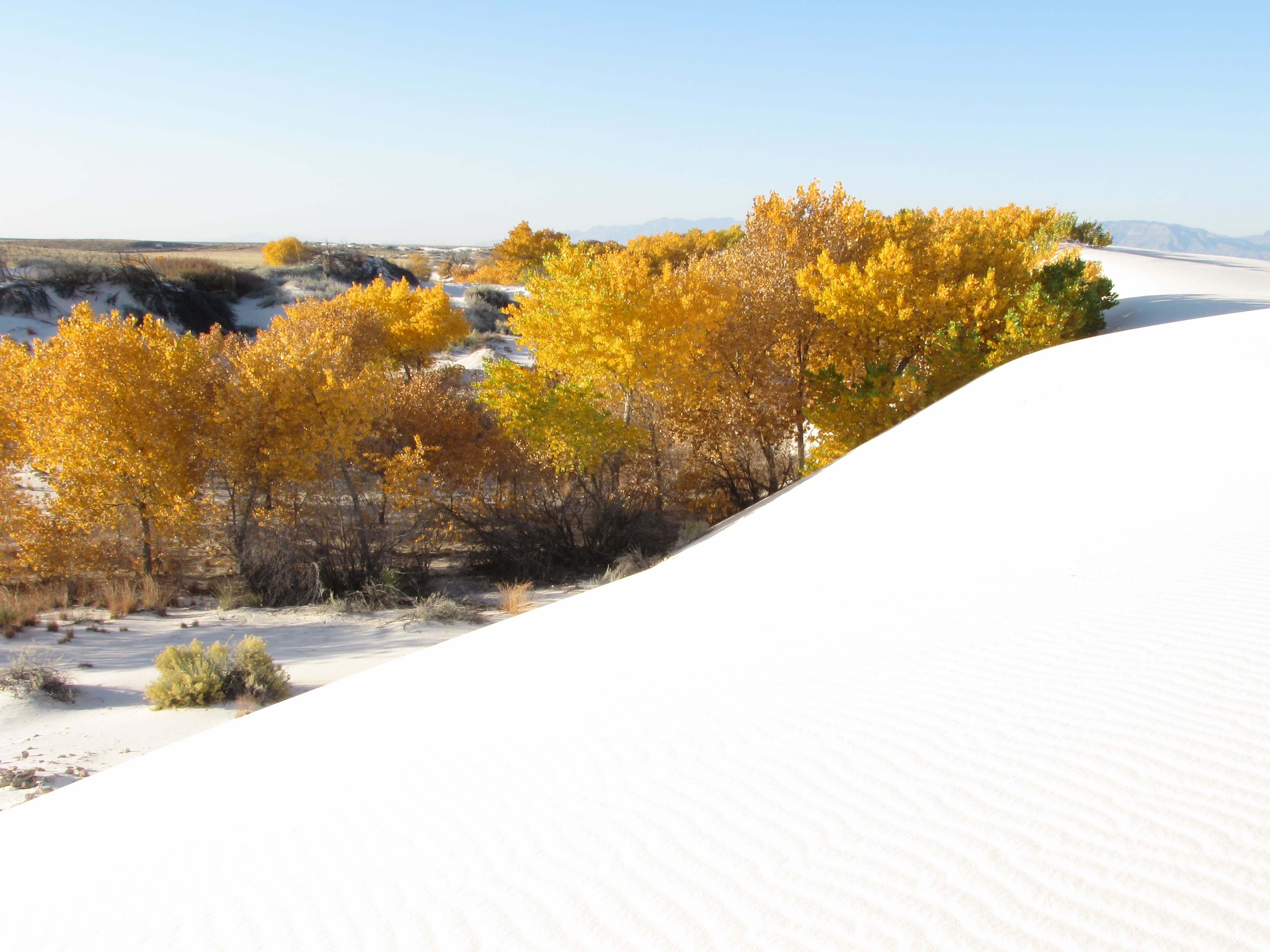
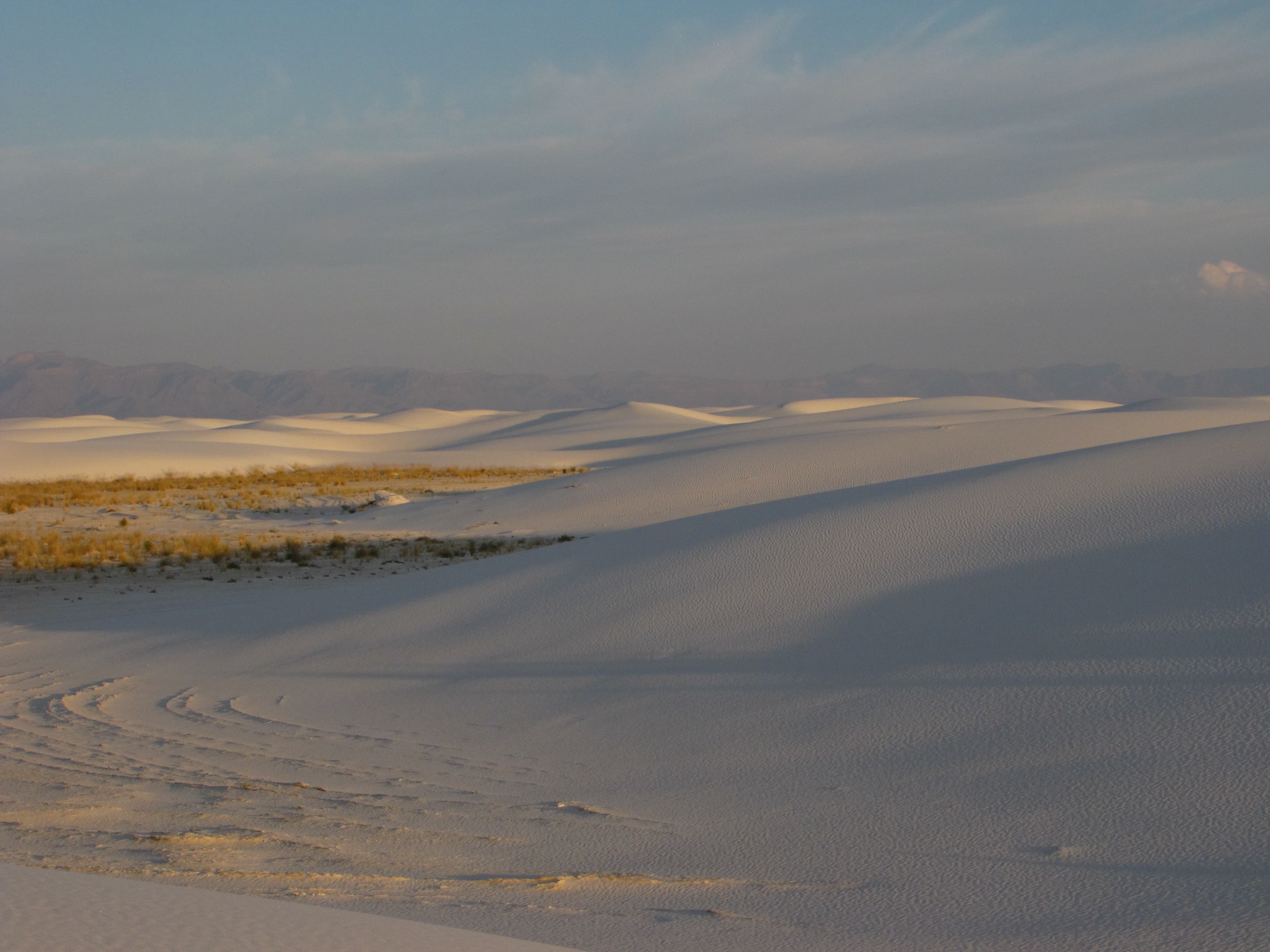
White Sands National Park protects the world's largest gypsum dunefield, with 275 square miles of brilliant white dunes stretching across New Mexico's Tularosa Basin. The gypsum sand stays cool to the touch even on hot days, unlike quartz sand found at most desert parks, and creates a surreal white landscape that transforms dramatically at sunrise and sunset. Sand sledding on the 40-foot dunes is popular year-round and requires waxed plastic saucers or commercial sand sleds.
The park has no developed campground. Ten primitive backcountry campsites sit directly on the dunes, though availability has been limited for site rehabilitation. Check the park website or call 575-479-6124 for current backcountry camping status before planning an overnight visit. Oliver Lee Memorial State Park (24 miles south) offers developed camping with hookups, and Alamogordo (15 miles northeast) has private RV parks and hotels. Highway 70 through the park closes periodically during military testing at the adjacent White Sands Missile Range, sometimes with only 24 hours notice.
Camping Tips for White Sands
- Call 575-479-6124 before your trip to confirm backcountry camping availability. The ten dune campsites have been periodically closed for rehabilitation. When open, permits are issued first-come, first-served about one hour before sunset at the visitor center.
- Plan for extreme temperature swings of 40 to 60°F between day and night. Summer days exceed 100°F while nights drop to the 60s. Winter nights fall below freezing even when daytime highs reach 60°F. Pack insulating layers and a warm sleeping bag.
- Check Highway 70 closure schedules before driving to the park. Military testing at White Sands Missile Range causes road closures lasting up to three hours, sometimes with short notice. The park closure webpage and front desk (575-479-6124) have current information.
- Bring at least one gallon of water per person per day. No water sources exist beyond the visitor center, which is six miles from the backcountry trailhead. Dehydration risk is high in the dry desert air even when temperatures feel moderate.
- Time your visit for golden hour photography. The white gypsum reflects pink and gold light for about two hours after sunrise and before sunset. The dunes appear flat white and overexposed at midday. Protect camera gear from abrasive sand in sealed bags.
RV Parks & Campgrounds Near White Sands National Park
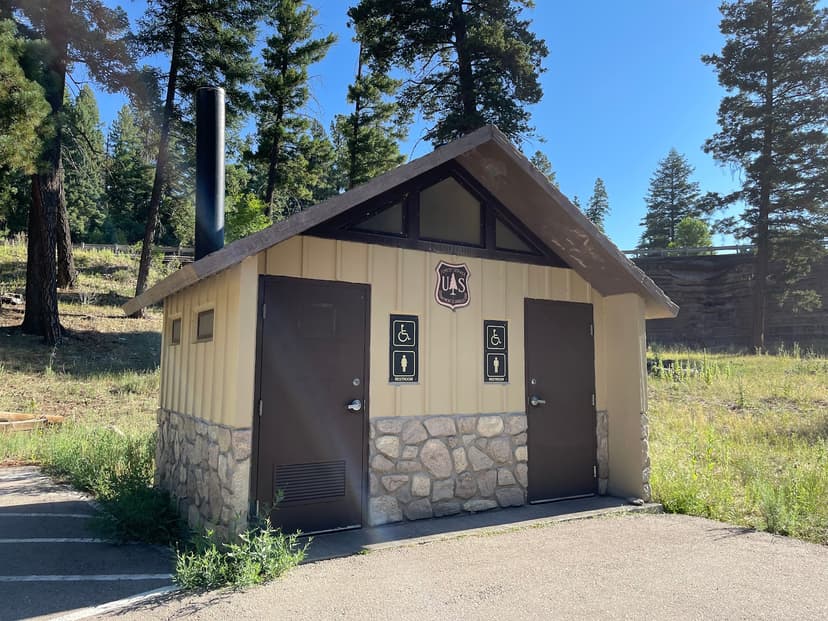
41.Deerhead Campground
The Lincoln National Forest is a diverse and scenic destination in southern New Mexico, offering a wide range of recreational opportunities for visitors of all interests and...
Show more
42.Dove Canyon Mobile Home Community and RV Park
Welcome to Dove Canyon Manufactured Community, where you will discover affordable family living. Located in the scenic Mesilla Valley of southern New Mexico, Las Cruces is a...
Show more
43.Scenic Canyon RV Park
Welcome to Scenic Canyon RV Park, a relaxing and quiet adult-only campground nestled in the mountains of New Mexico. With an abundance of wildlife, the park offers a serene...
Show more
44.Southern Rockies Camp
Southern Rockies Camp and Retreat Center is located at 8,200 feet above sea level, depositing cool mountain temperatures. It provides an ideal camp setting for individuals of all...
Show more
45.Silver Lake Campground
Silver Lake Campground is located on the Mescalero Apache Reservation in New Mexico. The campground offers various site types, including RV and tent sites, with prices ranging...
Show more
46.Tulie Pines RV Park
Tulie Pines RV Park in Tularosa, New Mexico, is a 4.6-star rated RV park offering a serene getaway for travelers. Located in a picturesque area, this RV park provides a peaceful...
Show more
47.Recreation Village RV & Mobile Home Park
Welcome to Recreation Village RV and Mobile Home Park, a 101-space RV and mobile home park located in the heart of Ruidoso, New Mexico. At an elevation of 6959 feet, the park...
Show more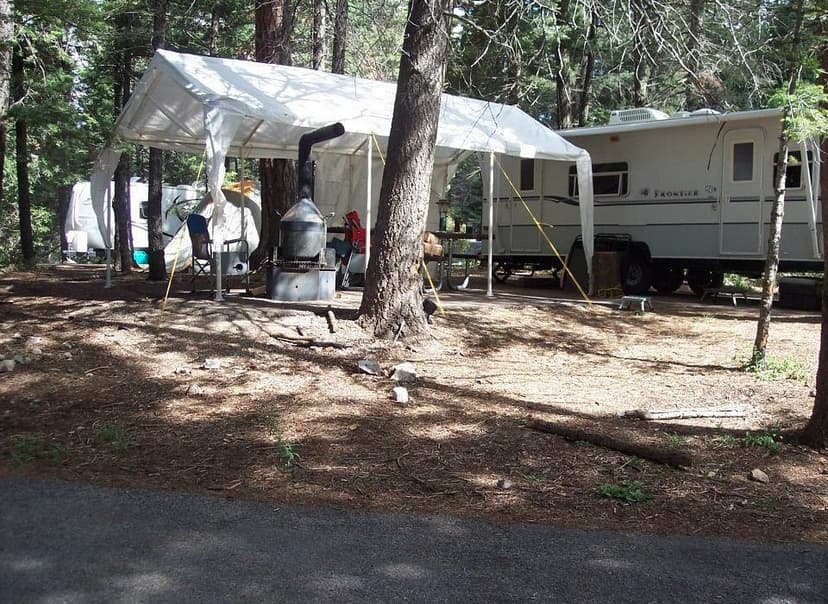
48.Saddle Campground
The Lincoln National Forest is a diverse and scenic destination in southern New Mexico, offering a wide range of recreational opportunities for visitors of all interests and...
Show more49.Canyon Hideaway & Escape
Escape to the natural beauty of Canyon Hideaway & Escape, a serene campground nestled in Ruidoso, New Mexico. Surrounded by the stunning landscape of the surrounding mountains,...
Show more50.Camp Cloudcroft
Unfortunately, the website content does not provide a description of the park. It appears to be a website for a church and does not contain any information about a park called...
Show moreShowing 41–50 of 106 campgrounds within 50 miles
Frequently Asked Questions
Is backcountry camping currently available at White Sands?
Backcountry camping availability changes periodically as the park rehabilitates sites. When open, ten primitive campsites sit directly on the gypsum dunes with permits issued first-come, first-served about one hour before sunset at the visitor center. Call 575-479-6124 or check the park website for current status before planning any overnight visit.
The backcountry sites have been temporarily closed multiple times for vegetation rehabilitation and erosion repair. When operating, campers hike about one mile into the dunefield to reach designated sites marked with numbered posts. No water, toilets, or facilities exist at any site. Campfires are prohibited. Bring a camp stove elevated at least six inches above the sand. Sites accommodate one to six people. Permits cannot be reserved in advance.
Where else can I camp near White Sands?
Oliver Lee Memorial State Park sits 24 miles south of the park entrance with developed sites offering water and electric hookups at approximately $10 to $18 per night. Aguirre Springs BLM Campground (39 miles west) offers primitive sites in the Organ Mountains. Alamogordo (15 miles northeast) has several private RV parks with full amenities.
Oliver Lee provides the closest developed camping with 44 sites, flush toilets, showers, and a visitor center in Dog Canyon at the base of the Sacramento Mountains. It is reservable on the New Mexico State Parks website. Aguirre Springs offers dispersed BLM camping on the west side of the Organ Mountains with pit toilets and no water. Lincoln National Forest campgrounds are also within 30 to 45 miles. Alamogordo is the nearest full-service town for groceries, fuel, and supplies.
How do missile range closures affect my visit?
Highway 70 between Alamogordo and Las Cruces closes during military testing at the adjacent White Sands Missile Range, with closures lasting up to three hours. Dunes Drive inside the park may also close during certain tests. Closures sometimes occur with as little as 24 hours notice, though the park usually receives about two weeks advance warning.
Check the park's closure webpage and call 575-479-6124 the day before your visit to confirm access. If approaching from Las Cruces (west), a Highway 70 closure means you cannot reach the park entrance at all. From Alamogordo (east), park entrance is usually accessible even during highway closures. Dunes Drive closures are separate from highway closures and are posted at the entrance. Missile tests typically occur on weekdays, making weekends more reliable for uninterrupted visits.
What makes White Sands different from other sand dune parks?
The dunes are gypsum, not quartz sand, creating the distinctive brilliant white color and a surface that stays cool to bare feet even on hot days. At 275 square miles, White Sands is the largest gypsum dunefield in the world. The park also preserves the largest collection of Ice Age animal trackways ever discovered and unique dune ecosystem plants.
Gypsum is water-soluble and rarely forms dunes because it usually dissolves before accumulating. The Tularosa Basin's closed drainage system (no rivers flow out) allows gypsum to collect from surrounding mountains. The white surface reflects up to 60% of incoming sunlight, keeping sand temperatures 20 to 30 degrees cooler than dark quartz sand. The park's trackways preserve footprints of giant sloths, mammoths, and early humans dating back over 10,000 years. Several plant species found here exist nowhere else on Earth.
Is sand sledding available, and what equipment do I need?
Sand sledding is available year-round at designated areas near Dunes Drive, particularly at the Interdune Boardwalk and large dune pull-offs. The park does not provide equipment. Waxed plastic snow saucers or commercial sand sleds work best. The park gift shop and White Sands Trading Company in Alamogordo sell and rent sleds.
Dune heights near sledding areas reach 30 to 40 feet with moderate slopes suitable for all ages. Sit or lie on the sled with feet pointing downhill. Avoid standing on sleds since the sand surface is uneven. Waxing the sled bottom with household paraffin candle wax dramatically improves speed on gypsum. Cardboard works once but deteriorates quickly. Best sledding occurs in early morning or late afternoon when sand is slightly moist and firmer. Midday sand is driest and slowest.
What temperature extremes should I prepare for?
Daily temperature swings of 40 to 60°F are normal across all seasons. Summer days exceed 100°F while nights drop to the 60s. Winter days reach 55 to 60°F but nights fall below freezing with occasional single-digit lows. Spring brings the strongest winds, sometimes exceeding 50 mph with sand creating whiteout conditions.
September through November provides the best camping weather with daytime highs around 80°F, minimal wind, and clear skies. The park advises against hiking when temperatures reach 85°F or above due to heat injury risk. There is no shade on the dunefield. Bring layered clothing for every season: lightweight breathable fabrics for hot days and insulated jackets and warm sleeping bags for cold nights. Merino wool base layers regulate temperature effectively across the wide daily range.
When is the best time to photograph White Sands?
The two hours after sunrise and before sunset produce the best light, casting long shadows and warm golden tones across the white gypsum. Midday light washes out the dunes into a flat white surface with no depth or shadow. Full moon nights create a uniquely luminous landscape worth photographing with a tripod and long exposure.
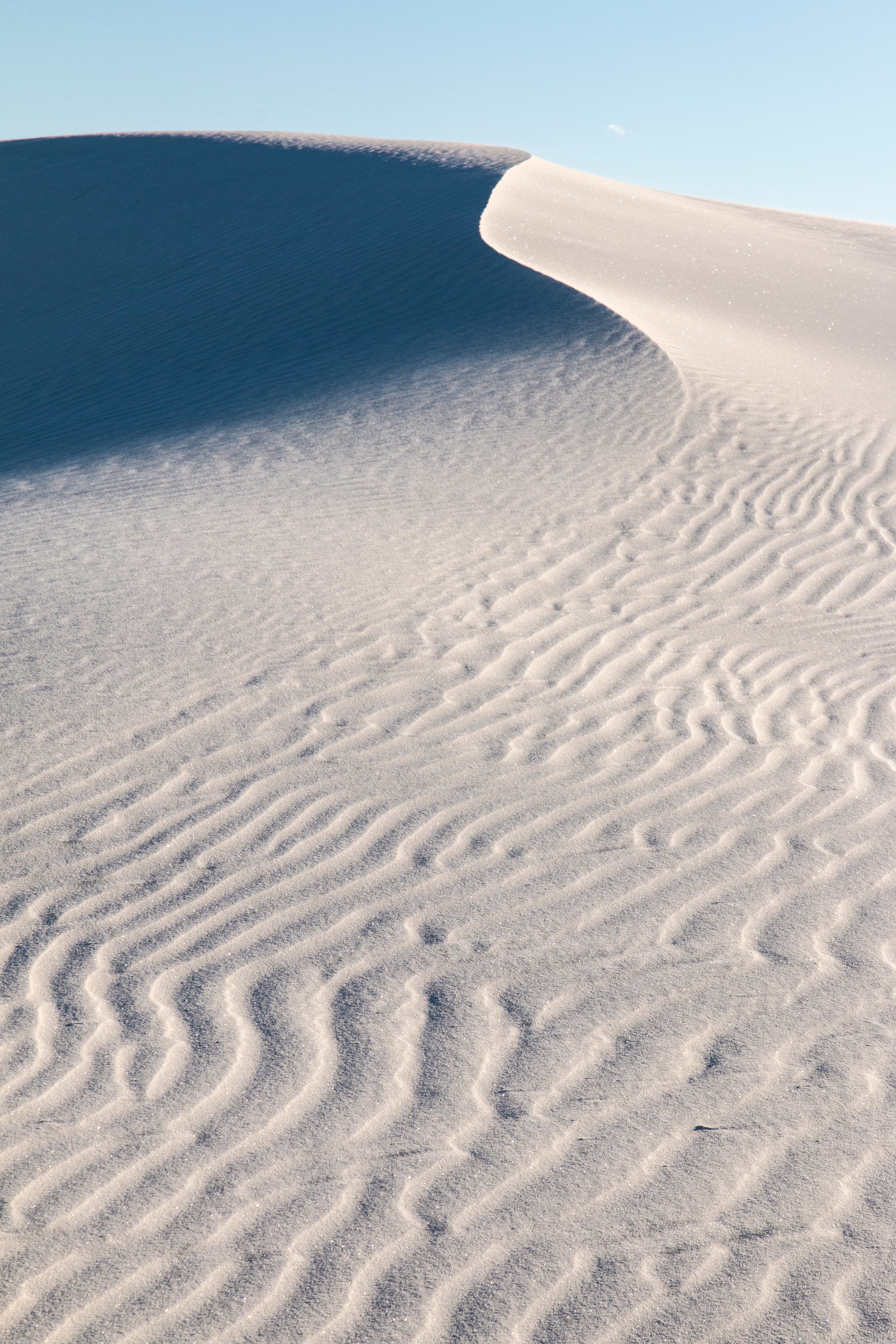
Sunset photography from atop the taller dunes near the Alkali Flat trailhead provides panoramic views with the Sacramento Mountains glowing pink and orange in the background. Sunrise requires arriving before the park gate opens, so check operating hours. Protect camera gear by storing it in sealed bags between shots since gypsum particles are abrasive and can damage sensor and lens mechanisms. Avoid changing lenses in windy conditions. Low-angle compositions emphasizing ripple patterns and yucca plants against sky create the most compelling images.
Can I hike and explore the dunefield freely?
Yes. Five marked trails range from the quarter-mile Interdune Boardwalk (wheelchair accessible) to the five-mile Alkali Flat Trail through the heart of the dunefield. Off-trail hiking is allowed throughout the park during operating hours. GPS signals can be unreliable on the dunes, so carry a compass and the park map for navigation.
The Alkali Flat Trail crosses open dunefield with minimal trail markers. Hikers frequently become disoriented when dunes block line-of-sight to the parking area. The park recommends hiking with a partner and carrying navigation tools. Bring more water than you think necessary since the dry desert air causes dehydration faster than humid environments. The Dune Life Nature Trail (one mile) offers interpretive signs about the dunefield ecosystem. All trails start from Dunes Drive, which is an eight-mile road into the dunefield from the visitor center.
Quick Facts
- Entrance Fee
- $25/vehicle (7 days)
- Best Time to Visit
- September – November
- Nearest Town
- Alamogordo, NM, Las Cruces, NM, El Paso, TX
- Elevation
- 3,890 – 4,116 ft
- Park Size
- 145,762 acres
- Annual Visitors
- ~0.7 million