Camping Near Virgin Islands National Park
US Virgin Islands | Established 1956
About Virgin Islands National Park
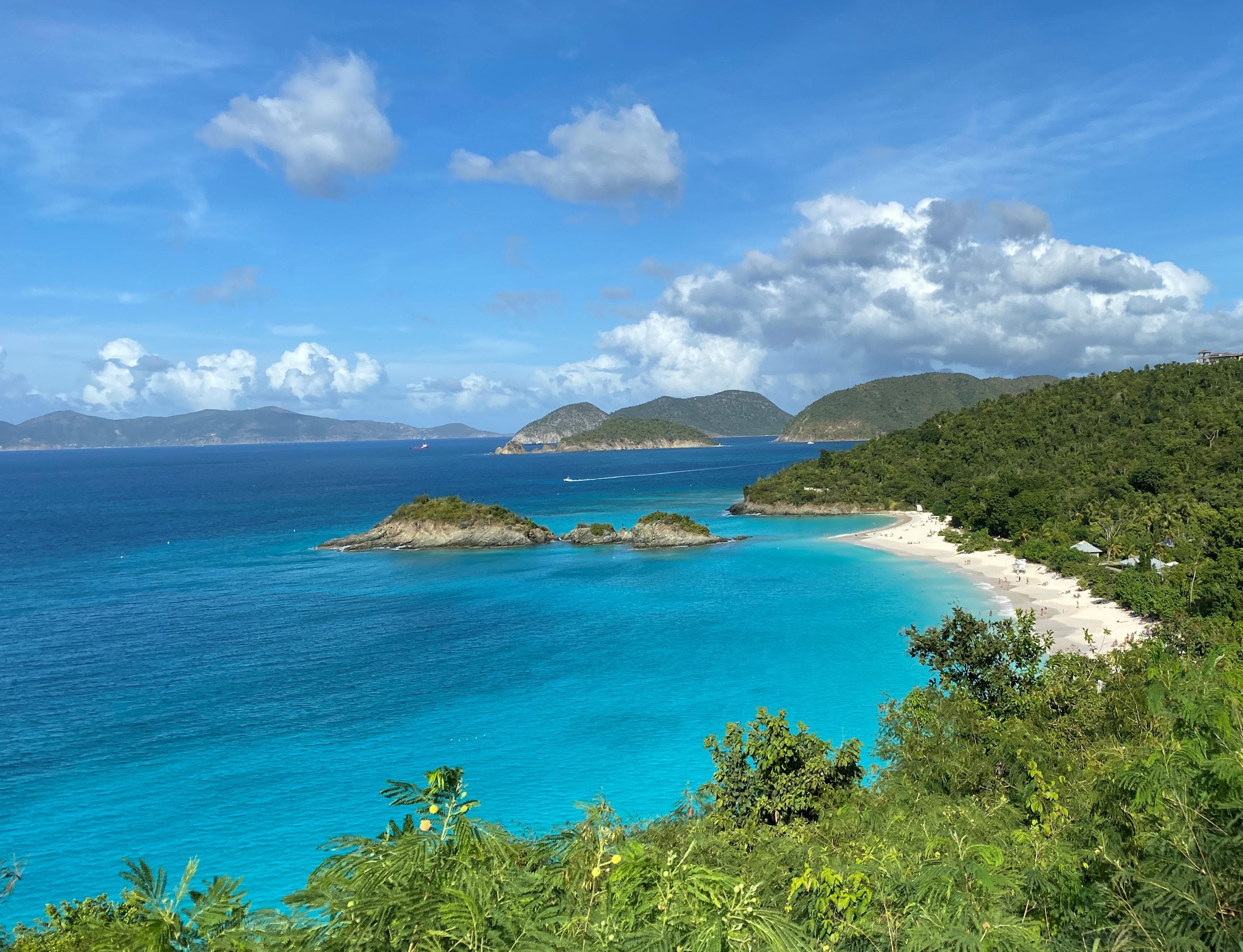
Virgin Islands National Park protects 12,909 acres across most of St. John island and nearby Hassel Island in the US Virgin Islands. White-sand beaches, healthy coral reefs, dry tropical forest, and 18th-century Danish sugar plantation ruins define the landscape. Trunk Bay features a 650-foot underwater snorkel trail with interpretive plaques identifying marine life and coral formations.
Access is by ferry from Red Hook on St. Thomas (20 minutes) to Cruz Bay, the main gateway town on St. John. Cinnamon Bay Campground, the only in-park campground, offers bare tent sites, eco-tents with beds and linens, and cottages along a quarter-mile white-sand beach. Over 20 hiking trails wind through tropical forest and past plantation ruins, ranging from easy beach walks to strenuous ridge climbs.
Camping Tips for Virgin Islands
- Cinnamon Bay Campground is the only campground in the park. Bare tent sites start at $40 per night, eco-tents with beds and linens run $130 to $175 per night, and cottages with air conditioning cost more. Reserve at cinnamonbayvi.com well in advance for winter dates.
- Bring reef-safe sunscreen (no oxybenzone or octinoxate) to protect coral reefs. Regular sunscreen chemicals damage the reef ecosystem at Trunk Bay, Cinnamon Bay, and Waterlemon Cay. Reef-safe brands are also available at Cruz Bay shops.
- The ferry from Red Hook, St. Thomas to Cruz Bay, St. John runs every hour and costs approximately $7 one way. Red Hook is 15 miles from Cyril E. King Airport on St. Thomas. Plan 60 to 90 minutes from airport to Cruz Bay including taxi and ferry.
- Pack light, breathable clothing and a dry bag for electronics. Humidity stays above 75 percent year-round. Salt air corrodes electronics quickly. Bring insect repellent for mosquitoes, especially active at dawn and dusk near mangrove areas.
- Cinnamon Bay provides restrooms, showers, a camp store with basic supplies, and water sports rentals. The camp store sells ice, snacks, and basic groceries. For full grocery shopping, stop at Starfish Market or Pine Peace Mini Mart in Cruz Bay before heading to camp.
RV Parks & Campgrounds Near Virgin Islands National Park
No campgrounds found within 10 miles. Try searching nearby towns.
Frequently Asked Questions
How do I get to Virgin Islands National Park?
Fly into Cyril E. King Airport on St. Thomas. Take a taxi to Red Hook ferry terminal (15 miles, about 30 minutes). The passenger ferry to Cruz Bay on St. John runs hourly and takes 20 minutes, costing approximately $7 one way. No airport exists on St. John.
Major airlines serve St. Thomas from Miami, Atlanta, Charlotte, New York, and other mainland hubs with direct flights. Car ferries also run from Red Hook to Cruz Bay if you want to bring a rental vehicle, though driving on St. John's narrow, steep roads requires comfort with left-side driving. Most visitors rent a car on St. John from Cruz Bay agencies or use the VITRAN public bus and safari taxis. From Cruz Bay, Cinnamon Bay Campground is three miles east via North Shore Road (Route 20).
What is camping at Cinnamon Bay like?
Cinnamon Bay sits on a quarter-mile white-sand beach with turquoise water. Bare tent sites are shaded by sea grape trees steps from the shore. Eco-tents include a queen bed, linens, towels, fan, light, cooking kit, and picnic table. All guests share restrooms, showers, and the camp store.
The campground operates year-round except during hurricane recovery closures. Bare sites require you to bring your own tent and cooking gear. Eco-tents eliminate the need for heavy camping equipment, appealing to travelers flying in with limited luggage. Family eco-tents add twin bunks above the queen bed. Cottages provide the most comfort with climate control and private bathrooms. Check-in is at the camp registration office near the beach. Quiet hours run from 10:00 PM to 6:00 AM. Mongoose, hermit crabs, and iguanas are frequent campground visitors.
What is the Trunk Bay underwater snorkel trail?
Trunk Bay's 650-foot underwater trail features interpretive plaques anchored to the seafloor identifying coral species, fish, and reef ecology. The shallow, protected bay makes snorkeling accessible for beginners. Snorkel gear rents for $10 to $15 on the beach. A $5 per person day-use fee applies at Trunk Bay.
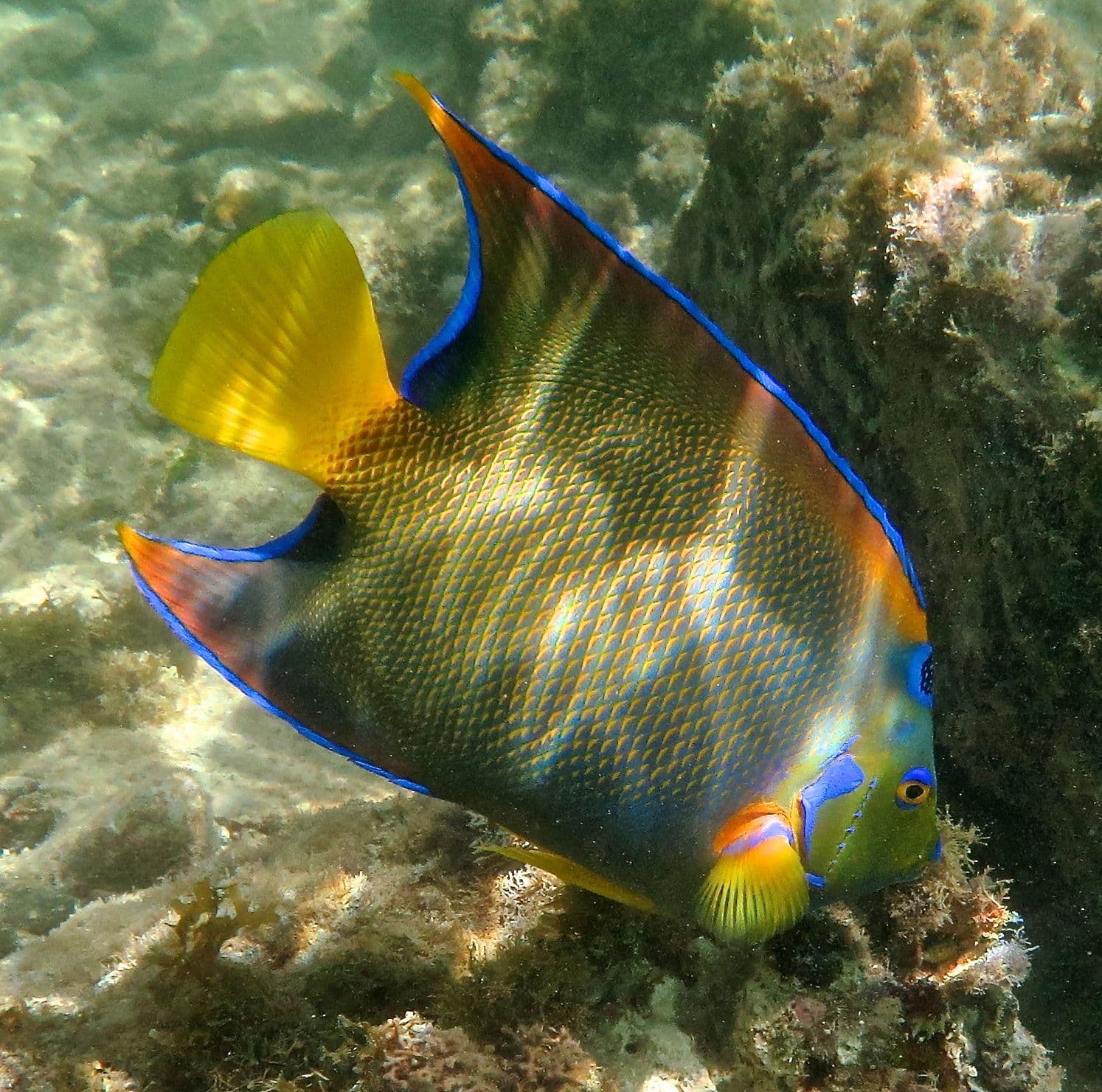
The NPS-maintained trail follows a marked path through the reef at depths of four to twelve feet. Plaques describe brain coral, elkhorn coral, sea fans, and common fish species. Parrotfish, blue tang, sergeant majors, and yellowtail snapper are frequently spotted. Sea turtles visit the bay regularly. Lifeguards are on duty during park hours. The beach also has restrooms, showers, a snack bar, and changing rooms. Trunk Bay is two miles west of Cinnamon Bay and accessible by car, taxi, or a 40-minute walk along North Shore Road.
When is the best time to visit?
December through April offers dry weather, comfortable temperatures (75 to 85 degrees), and calm seas ideal for snorkeling. This is peak season with higher prices and crowds. May and early June provide similar weather with fewer visitors. Hurricane season runs June through November, with September and October posing the highest risk.
Winter months (December through March) see the most visitors and highest accommodation rates. Reserve Cinnamon Bay three to six months ahead for winter dates. April and May represent a value sweet spot with warm weather, lower rates, and manageable crowds. Summer brings afternoon rain showers and higher humidity but remains warm. Water temperatures stay between 79 and 84 degrees year-round. Trade winds provide natural cooling, especially on north shore beaches. Avoid September and October when hurricane risk peaks and some businesses close seasonally.
What hiking trails are in the park?
Over 20 trails cover the park's tropical forest and historic sites. The Reef Bay Trail (2.2 miles one way) descends through forest to Taino petroglyphs and a sugar mill ruin. The Cinnamon Bay Nature Loop (0.5 miles) starts from the campground. Lind Point Trail connects Cruz Bay to Honeymoon Beach in one mile.
Ranger-led Reef Bay hikes run several times per week and include a boat ride back to Cruz Bay, eliminating the steep uphill return. Sign up at the Cruz Bay Visitor Center. The Ram Head Trail (1.8 miles round trip) ends at a dramatic cliff overlooking the Caribbean. Caneel Hill Trail (1.1 miles) offers panoramic views from 720 feet. Most trails are unshaded in sections, so carry water and start early to avoid midday heat. Trail maps are available at the visitor center and campground registration desk.
Can I snorkel at other beaches besides Trunk Bay?
Yes, several park beaches offer excellent snorkeling without the $5 Trunk Bay fee. Waterlemon Cay off Leinster Bay has healthy coral and sea turtles. Maho Bay provides easy shore access to green sea turtle feeding grounds in shallow seagrass beds. Cinnamon Bay reef is accessible directly from the campground beach.
Waterlemon Cay requires a short swim from the Leinster Bay shoreline to a small island surrounded by reef. The swim is roughly 200 yards and best attempted in calm conditions. Maho Bay's seagrass flats attract green sea turtles that feed in shallow water, often within 10 feet of snorkelers. Francis Bay has calm water and mangrove edges where juvenile fish shelter. Salt Pond Bay on the south shore offers rocky reef snorkeling in a less crowded setting. Bring your own gear for these beaches, as rentals are only available at Trunk Bay.
What historic sites can I visit in the park?
The Annaberg Sugar Plantation ruins are the best-preserved Danish colonial site, with interpretive signs explaining the 18th-century sugar production process and enslaved labor history. The Cinnamon Bay Plantation ruins sit adjacent to the campground. Reef Bay Sugar Mill includes Taino rock carvings predating European contact.
Annaberg Plantation is a free, self-guided site three miles east of Cruz Bay with standing walls, a windmill tower, and slave quarters. Rangers lead guided tours covering the plantation's history during peak season. The Reef Bay petroglyphs are carved into streambed rocks along the Reef Bay Trail, believed to be created by Taino people who inhabited the island before European arrival. The Cruz Bay Visitor Center museum covers 3,000 years of island history from the Taino period through Danish colonialism to the national park's establishment. All historic sites are free to visit.
Is it safe to swim and snorkel in the park?
Park beaches are generally safe for swimming and snorkeling. No lifeguards are stationed at most beaches except Trunk Bay. Currents can be strong at headlands and channel areas. Avoid touching fire coral and sea urchins. Jellyfish appear occasionally, with thimble jellyfish most common during spring months.
Rip currents are rare on north shore beaches due to reef protection but can occur on south shore beaches during swells. Check with rangers or locals about current conditions before entering unfamiliar water. Coral cuts heal slowly in tropical environments; wear reef shoes or fins to protect your feet. Barracuda are present but do not attack unprovoked; avoid wearing shiny jewelry while snorkeling. Manchineel trees along some beaches produce toxic fruit and sap that causes skin blisters. The park marks these trees with warning signs. Drink plenty of water to prevent heat-related illness.
Quick Facts
- Entrance Fee
- Free (Trunk Bay day use $5/person)
- Best Time to Visit
- December – April
- Nearest Town
- Cruz Bay, VI, Red Hook, VI, Charlotte Amalie, VI
- Elevation
- 0 – 1,277 ft
- Park Size
- 12,909 acres
- Annual Visitors
- ~323,000