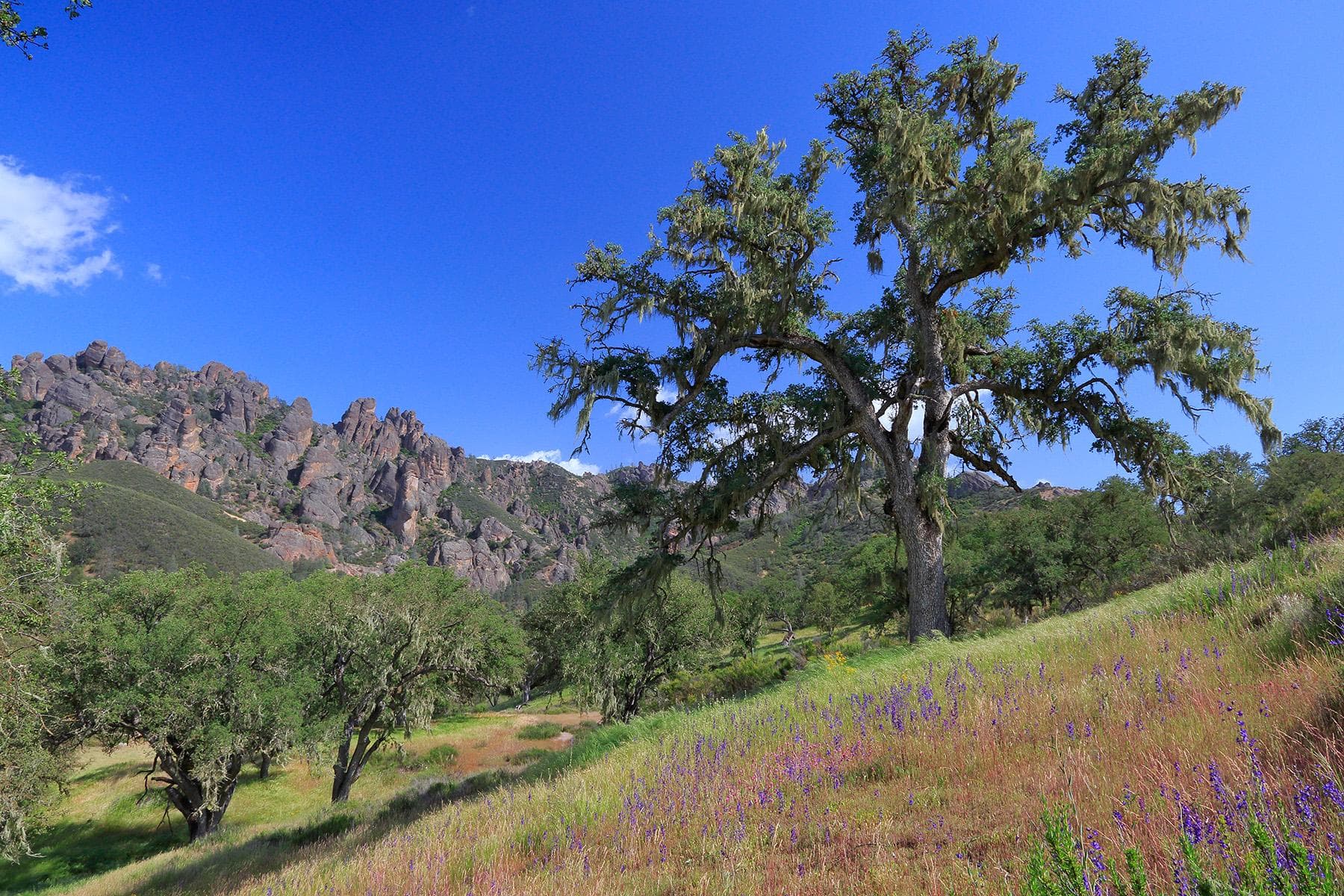
Camping Near Pinnacles National Park
California | Established 2013
About Pinnacles National Park
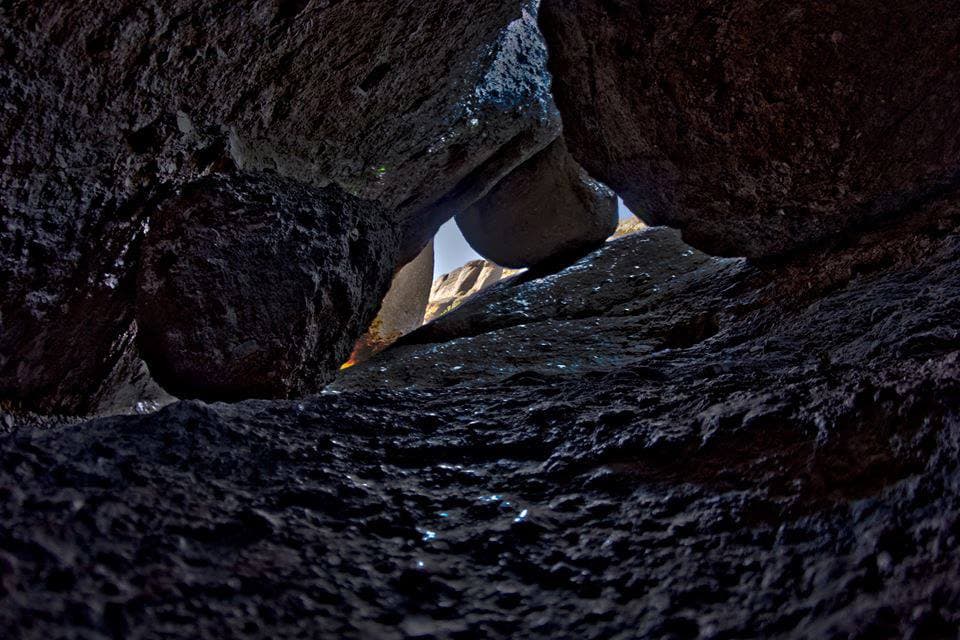
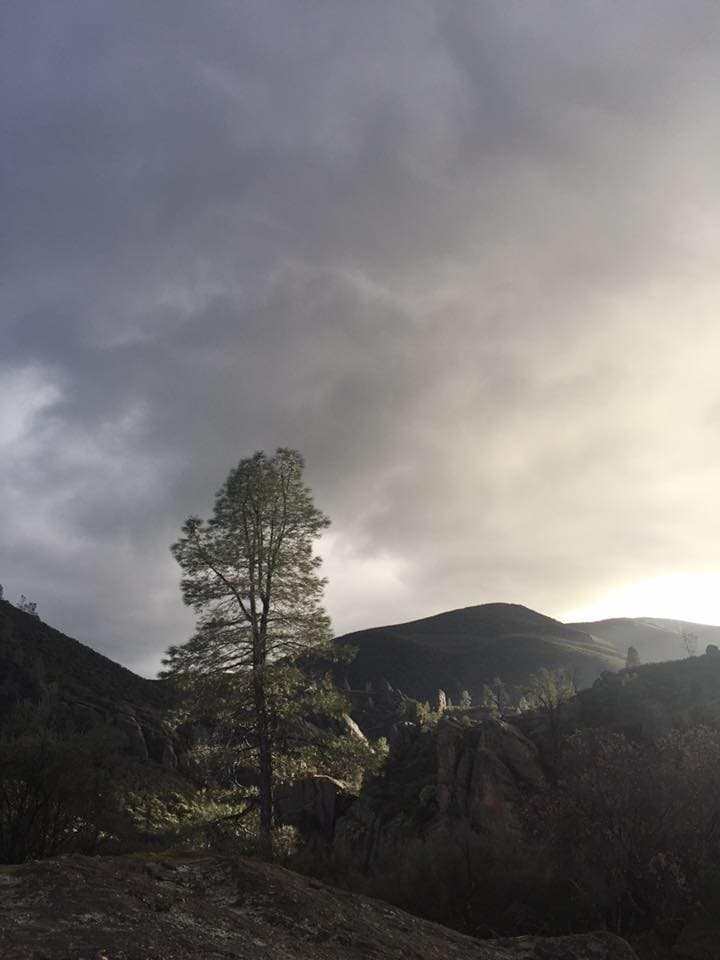
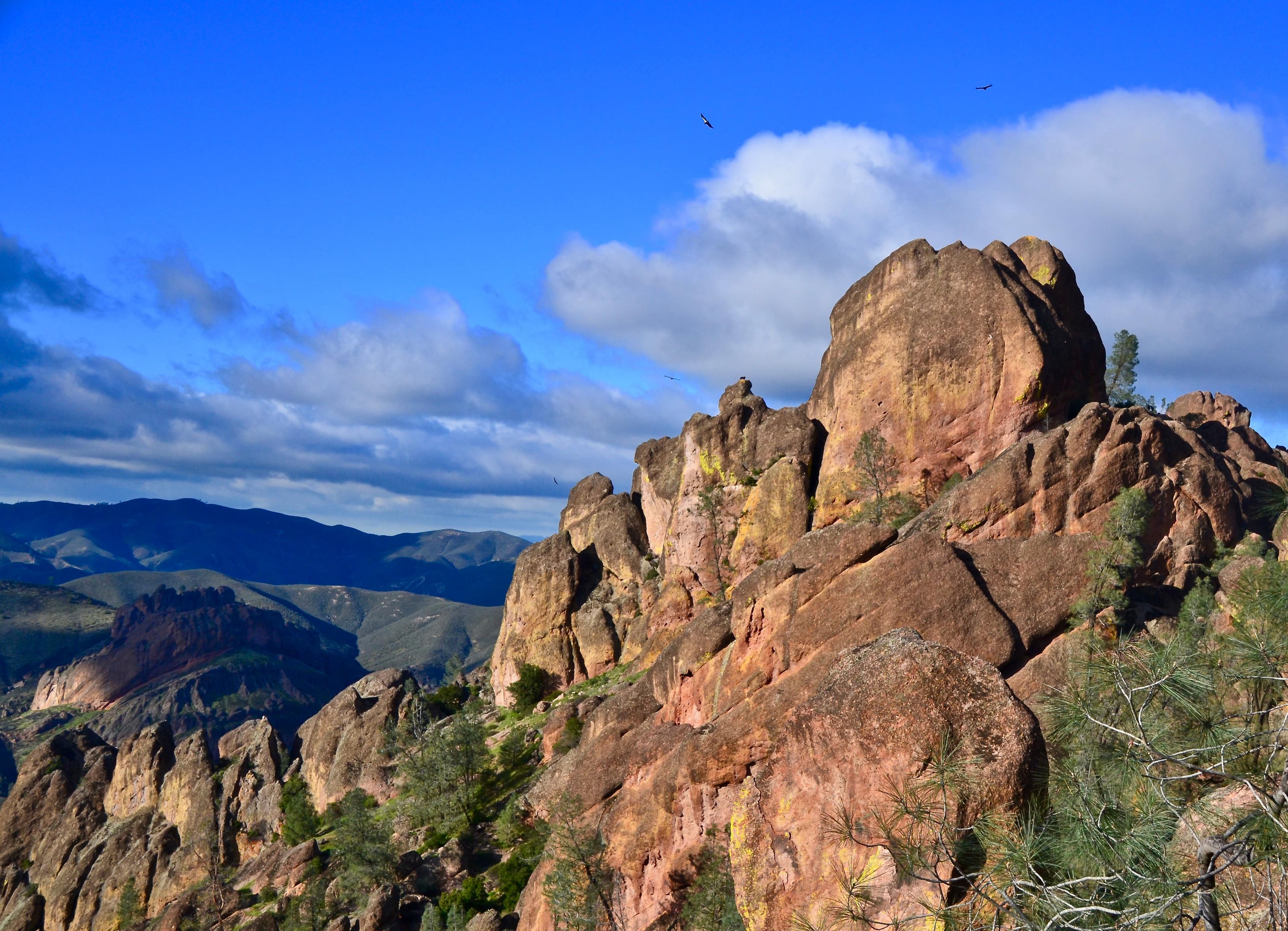
Pinnacles National Park preserves 26,686 acres of volcanic rock formations, talus caves, and chaparral-covered canyons in the mountains east of California's Salinas Valley. The park's defining features are Bear Gulch Cave and Balconies Cave, rare talus cave systems formed by fallen boulders wedged between narrow canyon walls, and the California condor recovery program that has reestablished breeding pairs in the park's cliffs. Over 30 miles of trails wind through spire-studded terrain that draws hikers and rock climbers year-round.
Pinnacles Campground on the east side is the only camping option, offering 134 tent and RV sites through recreation.gov at $23 to $36 per night. Some RV sites include electrical hookups. Facilities include flush toilets, showers (seasonal), and a camp store. No road connects the east and west entrances, so choosing the east side is essential for camping. Spring (February through May) is the best season, with comfortable temperatures, wildflower blooms, and active condor sightings. Summer temperatures regularly exceed 100°F with minimal shade on trails.
Camping Tips for Pinnacles
- Reserve Pinnacles Campground on recreation.gov up to six months ahead. Spring weekends from March through May sell out quickly. The 134 sites include tent-only and RV sites with electrical hookups.
- Carry at least one liter of water per hour of hiking. No water is available on any trail. Dehydration emergencies are common in warm weather. Fill up at the campground or visitor center before every hike.
- Visit Bear Gulch and Balconies caves with a strong flashlight and sturdy shoes. Caves close seasonally (typically May through July) when Townsend's big-eared bat colonies are breeding. Check current status at the visitor center.
- No road connects the east and west park entrances. Driving between them requires a two-hour detour through King City on Highway 101. Camp on the east side for access to the campground, caves, and most trailheads.
- Avoid hiking after 10 a.m. from June through September when temperatures exceed 100°F. Start at dawn for the High Peaks Trail (5.3 miles) to catch condors soaring on morning thermals before the heat builds.
RV Parks & Campgrounds Near Pinnacles National Park

121.Buckeye Campground
Buckeye Campground is a scenic camping destination located in Big Sur, California, one of the most stunning coastal regions in the state. With a solid 4.5-star rating from...
Show more122.Tassajara Creek Campground
Tassajara Creek Campground is a scenic campground located in Greenfield, California, offering a peaceful retreat in the region. With a solid 4.3-star rating based on visitor...
Show more123.Sierra View Camp
Sierra View Camp is a campground located in Morgan Hill, California, offering a convenient base for exploring the scenic Santa Clara Valley region. With a Google rating of 4.3 out...
Show more124.santa cruz fulltimers
Santa Cruz Fulltimers is a campground located in the heart of Santa Cruz, California. This campground offers a unique experience for RVers and travelers, providing a convenient...
Show more125.Laguna Seca Grand Prix "A" Campground
Located in Monterey, California, Laguna Seca Grand Prix 'A' Campground offers a convenient base for visitors to the area. With a solid 4 out of 5 Google rating from reviews, this...
Show more126.Lower Cruickshank Campground
Lower Cruickshank Campground is a scenic campground located in Big Sur, California, one of the most stunning coastal regions in the state. With a solid 4 out of 5 Google rating...
Show more127.Sycamore Flat Campground
Sycamore Flat Campground is a rustic camping destination located in Big Sur, California, offering visitors a chance to experience the natural beauty of this iconic coastal region....
Show more128.Pelon Campground
Pelon Campground is located in the Los Padres National Forest, offering various camping options, including car campgrounds and trail camps. The campground is situated in a scenic...
Show more129.Rocky Creek Campground
Rocky Creek Campground is a welcoming campground located in Greenfield, California, offering a peaceful retreat for outdoor enthusiasts. With a solid 4 out of 5 Google rating,...
Show more130.Hepsedam Ridge Campgrounds
Hepsedam Ridge Campgrounds is a campground located in Lonoak, California, offering a getaway in the scenic Sierra Nevada foothills. The facility has earned a solid 4 out of 5...
Show moreShowing 121–130 of 154 campgrounds within 50 miles
Frequently Asked Questions
What makes the talus caves at Pinnacles unique?
Bear Gulch and Balconies caves formed when massive boulders tumbled into narrow canyons and wedged together, creating dark passages beneath the rock pile. They are not limestone caves but talus caves, rare formations found in only a few places worldwide. Both require flashlights and involve scrambling over uneven rock.
Bear Gulch Cave features a 2.2-mile loop with multiple cave sections requiring ducking, climbing, and navigating by flashlight through narrow passages. Balconies Cave is a shorter 2.6-mile roundtrip and less technical. Cave temperatures stay around 50°F year-round, so bring a light jacket. Both caves close seasonally when Townsend's big-eared bat colonies are breeding, typically May through July. Check current status at the visitor center before hiking.
How likely am I to see a California condor?
Condor sightings are common at Pinnacles, especially from the High Peaks Trail and Condor Gulch Trail during cooler months from October through March. The birds have 9.5-foot wingspans and are identifiable by orange-and-black wing tags with tracking numbers. Early morning thermals along cliff faces provide the best viewing as condors launch for the day.
Fewer than 500 California condors exist worldwide, with a small but growing population nesting and breeding at Pinnacles. The park's cliff faces and deep canyons provide ideal roosting habitat. Bring binoculars and a telephoto lens. Condors are most visible when soaring on thermals above the High Peaks area. Avoid approaching nesting areas, which are marked with seasonal closures. The recovery from near extinction to active breeding at Pinnacles represents a major conservation achievement.
Can I camp on the west side of the park?
No. Camping and overnight facilities exist only on the east side at Pinnacles Campground. The west entrance near Soledad is day-use only with separate trail access and closes at 8 p.m. No road connects the east and west entrances through the park.
Driving between the east entrance (near Paicines/Hollister) and the west entrance (near Soledad) requires about two hours via King City and Highway 101. Most visitors access the park from the east side for camping convenience and access to Bear Gulch Cave, the visitor center, and the majority of developed trails. The west side offers the Balconies Trail and access to High Peaks from a different direction with typically fewer crowds.
What are the campground facilities and costs?
Pinnacles Campground offers 134 sites: tent sites at $23/night and RV sites with electrical hookups at $36/night. Facilities include flush toilets, a seasonal shower building (typically mid-April through late September), a dump station, and a small camp store with basic supplies and firewood.
Sites accommodate tents and RVs of various sizes. Group sites are available for parties of 10 to 20 people at higher rates. The campground sits within walking distance of Bear Gulch trailheads. Reservations through recreation.gov open six months in advance and are strongly recommended for all visits. Walk-in availability is rare on spring and fall weekends. Cell service is limited in the campground. The camp store carries ice, firewood, snacks, and basic camping supplies but not full provisions.
How hot does it get in summer, and should I avoid visiting?
Summer temperatures regularly exceed 100°F with minimal shade on trails. Heat exhaustion is a genuine risk. The park remains open but hiking should be limited to early morning hours before 10 a.m. Camping is tolerable since nighttime temperatures drop to the 60s, but daytime activities are severely limited by the heat.
June through September is the least comfortable time to visit. Most trails have no tree cover or water sources, amplifying heat exposure. If you must visit in summer, stick to cave hikes (both caves stay around 50°F) and begin all other hikes at dawn. The campground has some shade from oak trees. Spring (February through May) and fall (October through November) offer the best combination of comfortable hiking temperatures, wildflower viewing, and condor activity.
Is rock climbing allowed at Pinnacles?
Yes. Pinnacles offers hundreds of established climbing routes on volcanic rock formations ranging from beginner bolted sport climbs to advanced multi-pitch traditional routes. Spring and fall provide optimal climbing conditions. No permits or guide services are required, though seasonal closures protect nesting raptors.
Rock types include dacite, rhyolite, and andesite, providing varied climbing textures. Condor Crags and the formations along the High Peaks Trail are popular climbing areas. Seasonal closures protect nesting peregrine falcons and other raptors from February through August on certain formations. Check current closure maps at the visitor center. The volcanic rock is generally solid with occasional decomposed sections. Helmets are strongly recommended. Summer climbing is possible but dangerously hot. Most climbers visit October through May.
When is the best time for wildflowers?
Peak wildflower season runs from mid-February through late May, with the strongest displays in March and April following rainy winters. Over 100 native species bloom across the park, including lupine, California poppy, Indian paintbrush, and mariposa lily. Wildflower blooms coincide with ideal hiking temperatures in the 60s and 70s.
Bloom timing varies by elevation and winter rainfall totals. Lower elevations bloom first, with higher ridgelines following two to four weeks later. The Bench Trail and Bear Gulch area offer accessible wildflower viewing. Pinnacles also hosts over 400 native bee species that are active during bloom season, making it a premier location for pollinator observation. By late May, flowers fade as temperatures rise above 90°F. Check recent visitor reports or call the visitor center for current bloom conditions before planning a wildflower-focused trip.
Is backpacking or backcountry camping allowed?
No. All overnight stays must occur at Pinnacles Campground on the east side. Backcountry camping is prohibited throughout the park to protect sensitive cave ecosystems, bat colonies, and condor nesting sites. The park's compact 26,686 acres make campground-based exploration practical for reaching all trail destinations.
The restriction reflects the park's small size and ecological sensitivity. Over 30 miles of day-hiking trails are accessible from the campground, including the High Peaks loop (5.3 miles), Bear Gulch Cave loop (2.2 miles), and Balconies Cave trail (2.6 miles). Most destinations are reachable within a half-day hike. The campground's central location provides convenient access to all major features without requiring backcountry overnight stays.
Quick Facts
- Entrance Fee
- $30/vehicle (7 days)
- Best Time to Visit
- February – May
- Nearest Town
- Hollister, CA, Soledad, CA, King City, CA
- Elevation
- 824 – 3,304 ft
- Park Size
- 26,686 acres
- Annual Visitors
- ~0.7 million