Camping Near Olympic National Park
Washington | Established 1938
About Olympic National Park
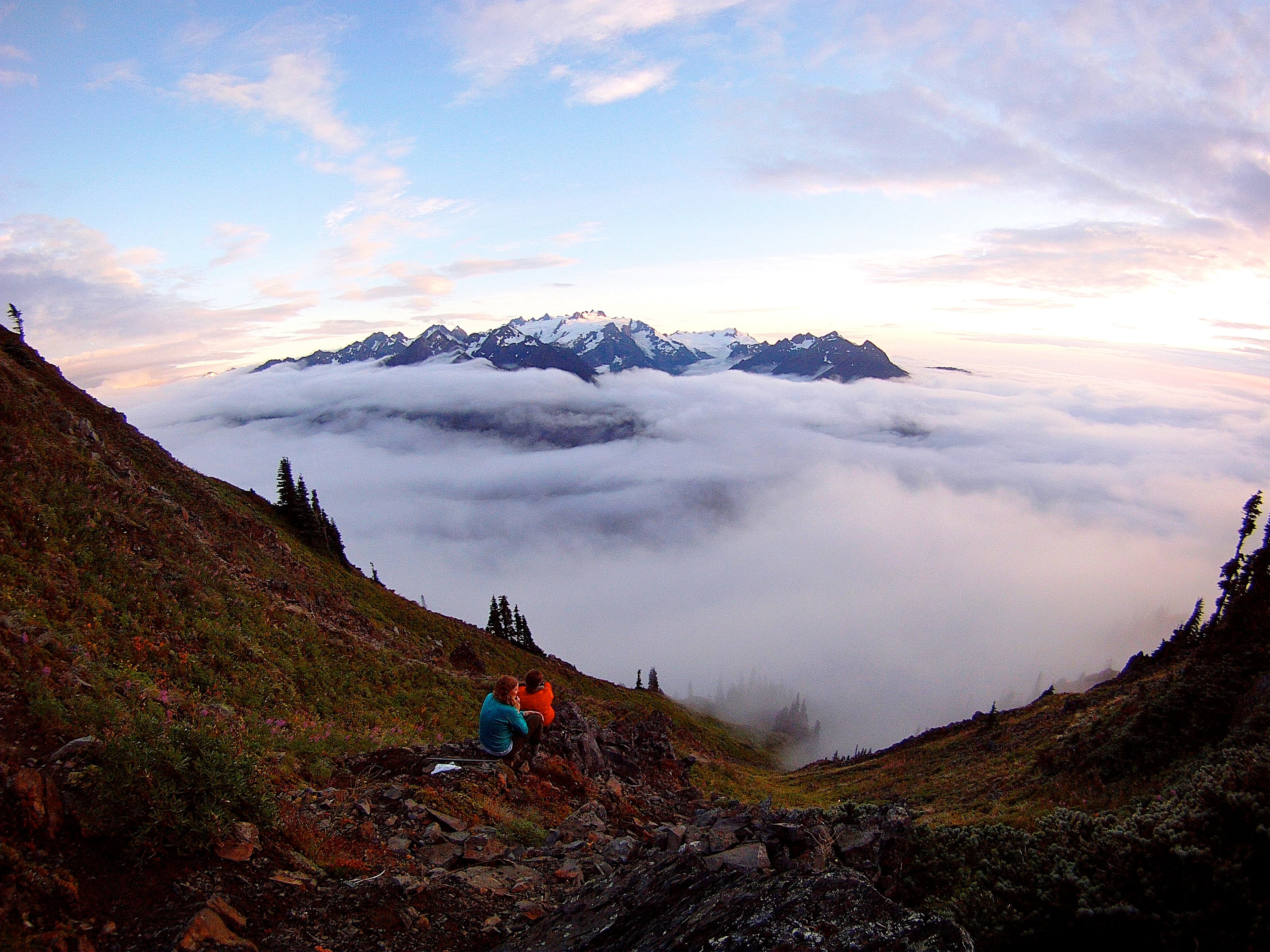
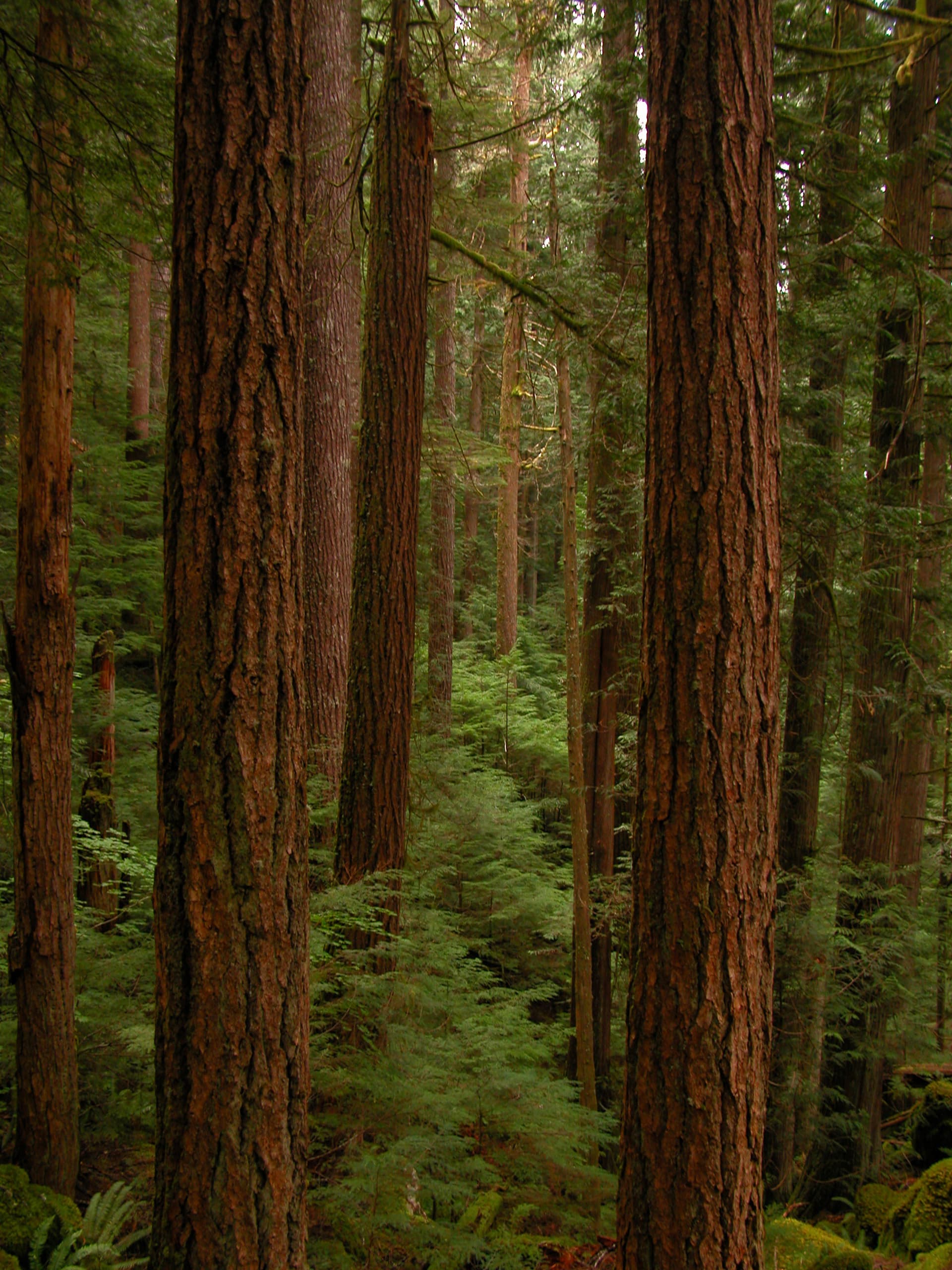
Olympic National Park protects 922,651 acres of the Olympic Peninsula in Washington state, encompassing three distinct ecosystems within its boundaries. The Hoh Rain Forest receives nearly 170 inches of rain annually, creating a cathedral of moss-draped Sitka spruce and western red cedar. Mount Olympus rises to 7,980 feet just 33 miles from the Pacific Ocean, its glaciers feeding rivers that carve through ancient forests. Along the coast, 73 miles of wild Pacific shoreline features sea stacks, tidepools, and driftwood-strewn beaches.
The park operates more than a dozen campgrounds scattered across these ecosystems, from the rainforest floor to subalpine meadows to windswept coastal bluffs. Kalaloch and Mora campgrounds sit along the coast, Hoh Campground anchors the rainforest section, Sol Duc offers proximity to natural hot springs, and Heart O' the Hills provides the closest camping to Hurricane Ridge's alpine views. Most campgrounds cost $20 to $24 per night with no hookups at park-operated sites.
The park's spread-out geography means no single visit covers everything. Each region requires its own approach, and driving between the Hoh Rain Forest and Hurricane Ridge takes over two hours even though they are only 30 miles apart as the crow flies. This remoteness is part of the appeal, preserving some of the most pristine wilderness in the lower 48 states.
Camping Tips for Olympic
- Waterproof everything. The western valleys receive 140 to 170 inches of rain annually. Bring a quality rain fly, waterproof ground tarp, and dry bags for clothing and sleeping gear regardless of the forecast.
- Reserve Hoh and Kalaloch campgrounds through Recreation.gov for summer dates. Parking lots at the Hoh Rain Forest fill by mid-morning in summer, but campers with a reservation have guaranteed access.
- Heart O' the Hills campground (105 sites) is first-come, first-served and the closest camping to Hurricane Ridge. Arrive early on summer weekends to secure a site.
- Sol Duc Hot Springs Resort operates an adjacent RV park with water and electric hookups, the only hookup-equipped camping near the park. The park's own Sol Duc campground has no hookups.
- The park's spread-out geography requires significant driving between regions. Pick one or two areas per visit rather than trying to see everything. The Hoh Rain Forest and Hurricane Ridge make the best two-area combination.
RV Parks & Campgrounds Near Olympic National Park
21.Olympic Adventure Campground
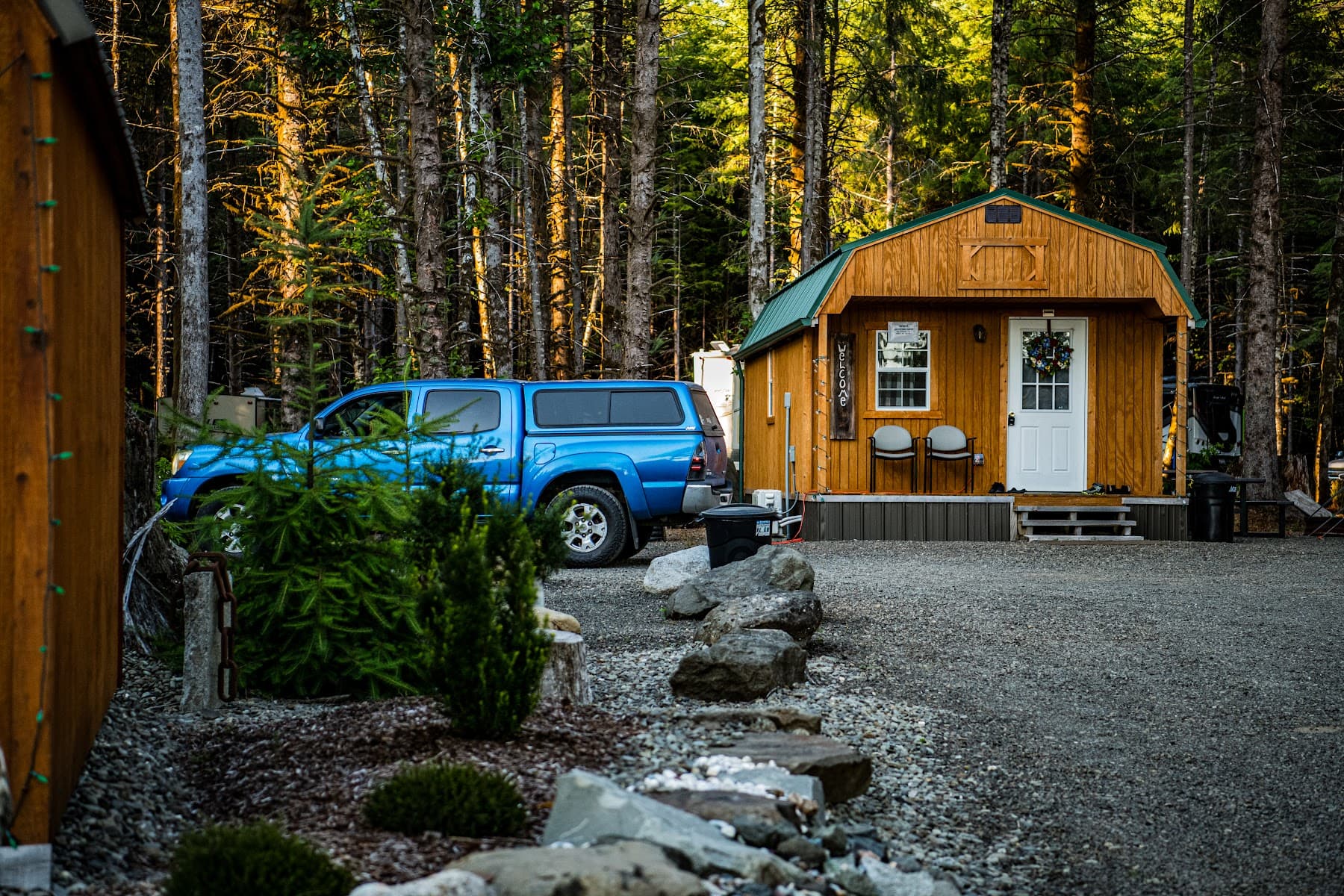
Olympic Adventure Campground is a scenic RV and tent camping destination located on the Olympic Peninsula in Washington, situated directly on the Pacific Discovery Trail near the...
Show more
22.Cliffside RV Park
Cliffside RV Park is a Navy Rec Lodging destination nestled along the shoreline of Whidbey Island, offering stunning views of the Strait of Juan de Fuca, Vancouver Island, the San...
Show more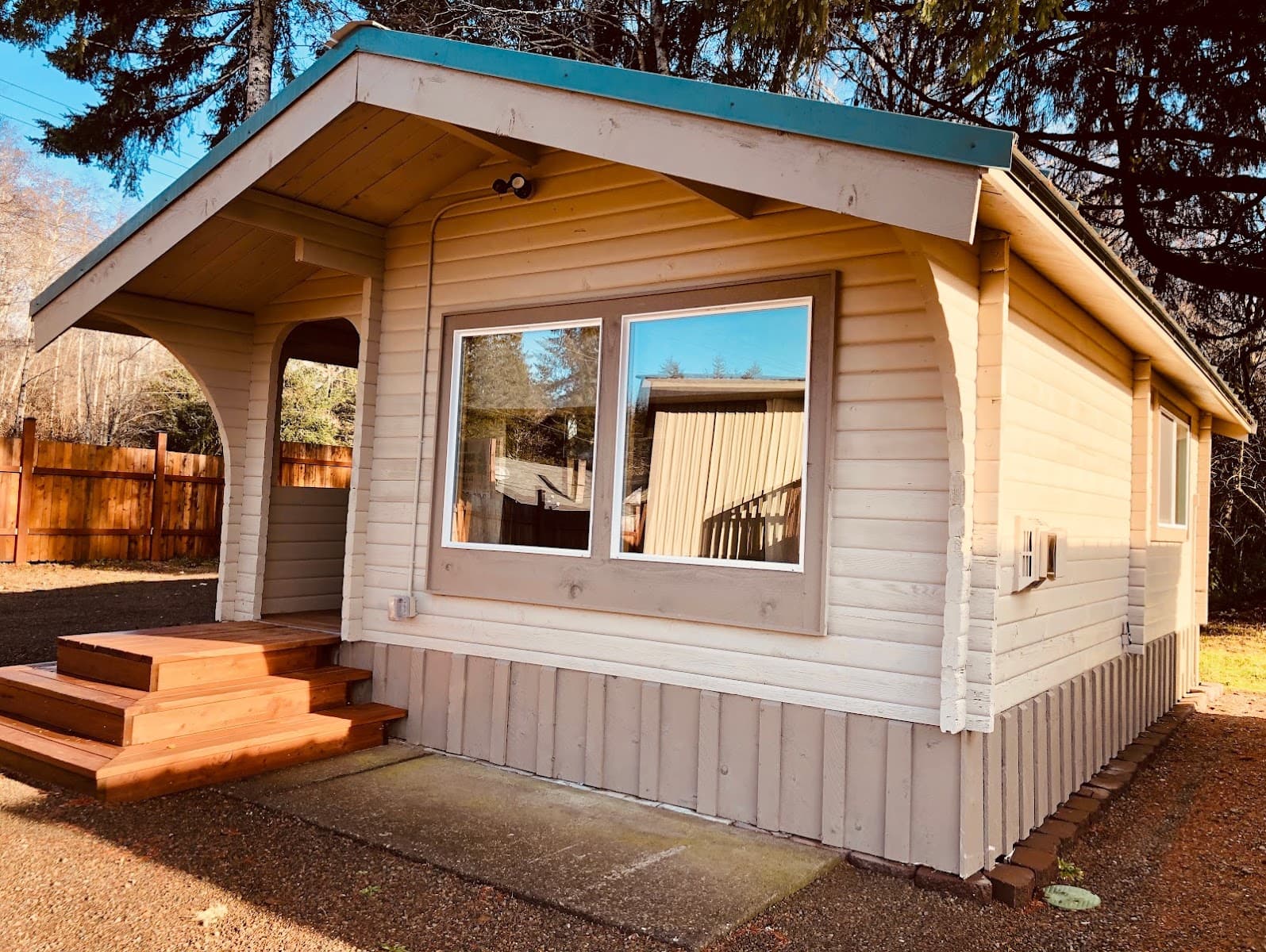
23.Big Spruce Resort RV Park & Cabin Rental
Big Spruce Resort RV Park & Cabin Rental is located 20 miles north of Hoquiam in Humptulips, Washington, adjacent to the Humptulips River in a beautiful temperate rain forest...
Show more
24.Tidelands Campgrounds
Tidelands Campgrounds is a family-oriented camping destination located in Copalis Beach, Washington, offering a variety of accommodation options to suit different camping...
Show more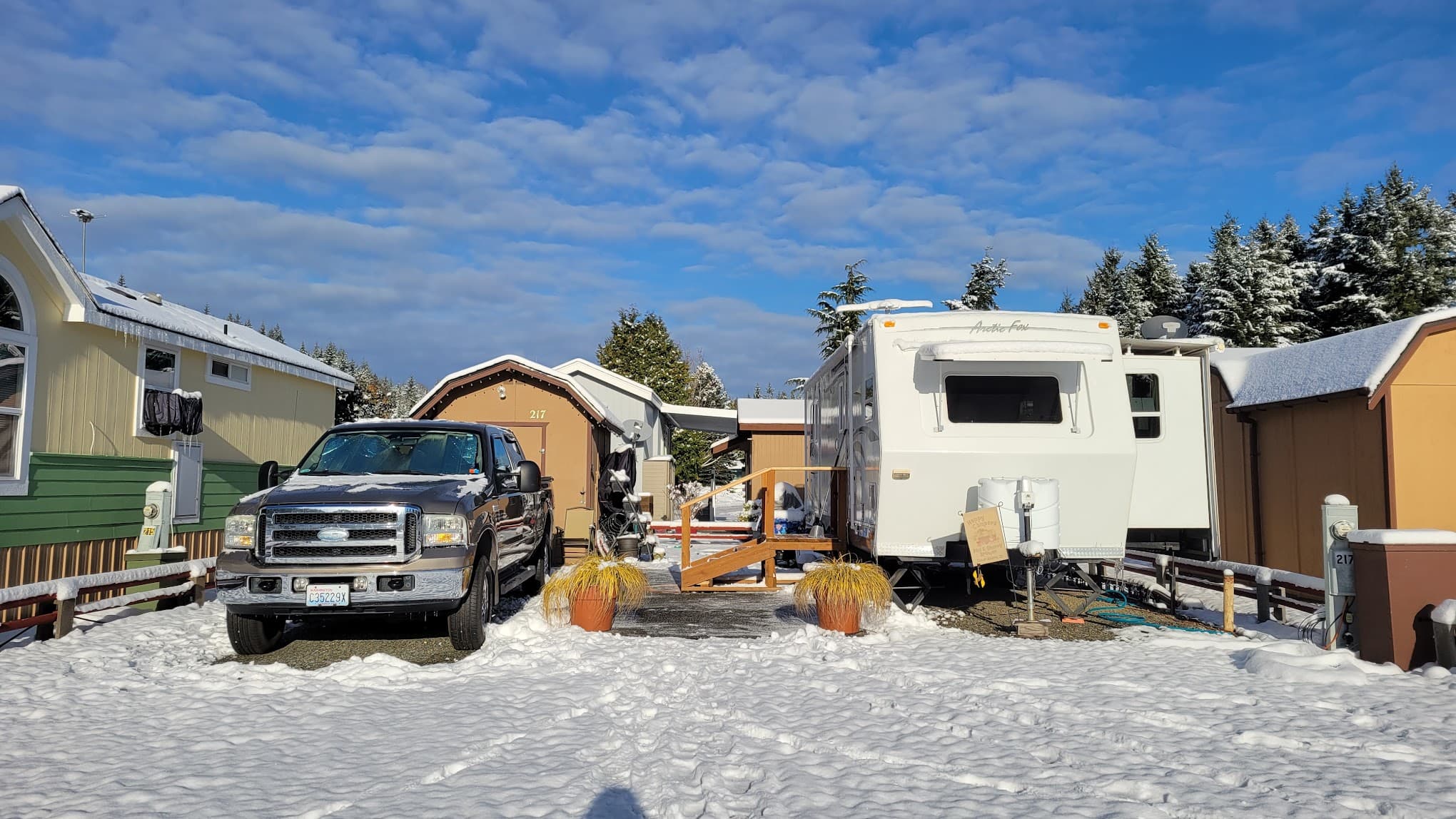
25.Evergreen Coho SKP RV Park
Evergreen Coho SKP RV Park is a cooperative 55+ RV community located on the Olympic Peninsula in Washington State. The park offers 175 large full hook-up lots, 11 daily/weekly...
Show more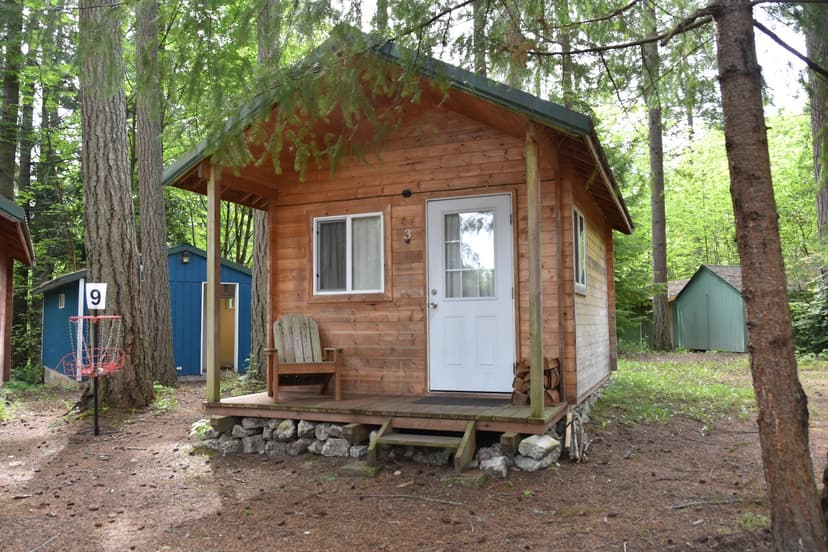
26.Sound View Camp and Retreat Center
Sound View Camp and Retreat Center is a 100-acre camp and retreat center located near Tacoma and Seattle, WA. It offers a variety of programs, including outdoor environmental...
Show more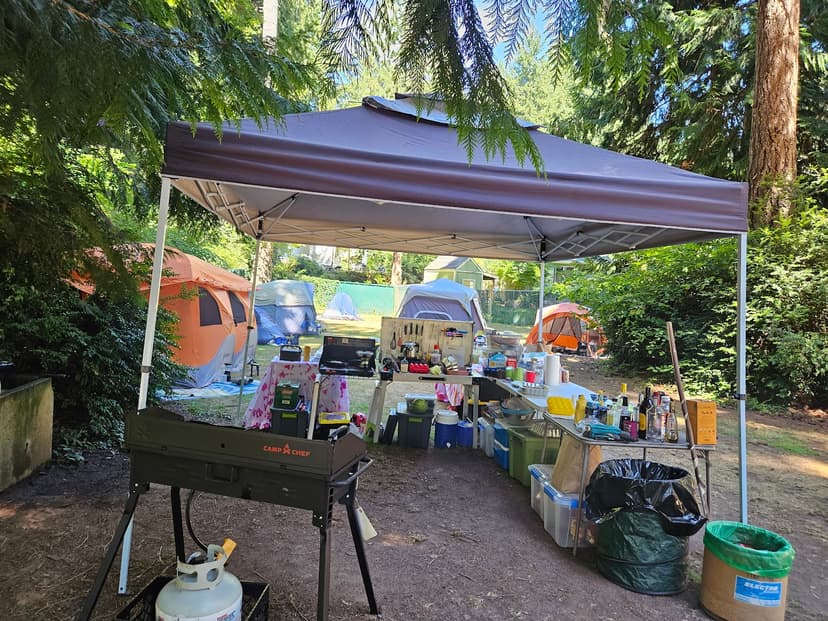
27.Riveria Community Club
The Riviera Community Club is a premier destination for nature lovers, offering a range of amenities and activities. Located on an island lake, the club features a nicely...
Show more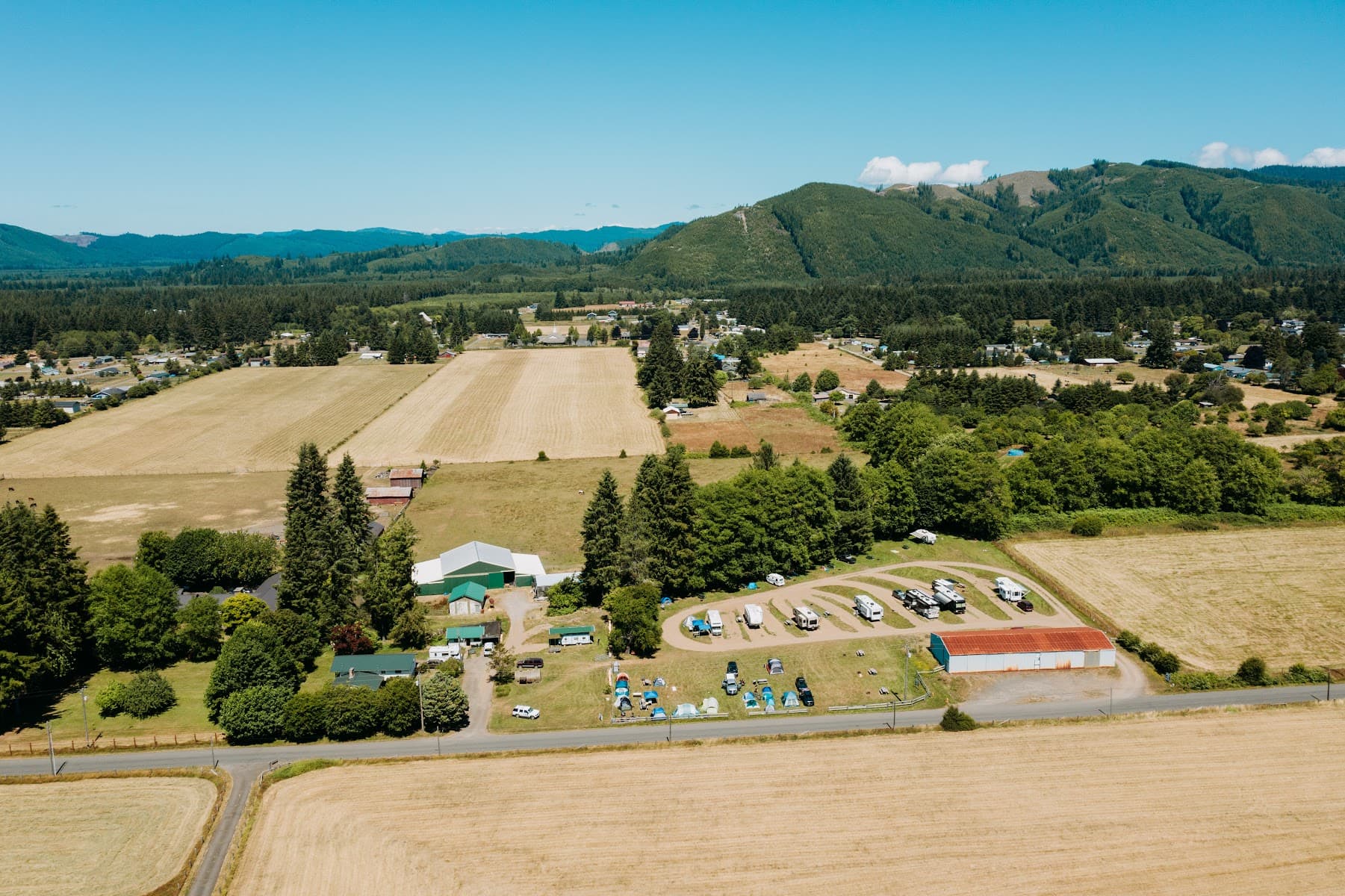
28.Last Chance Camp Equine Rest Stop
Last Chance Camp Equine Rest Stop is an equine-focused facility, though detailed information is currently unavailable.
Show more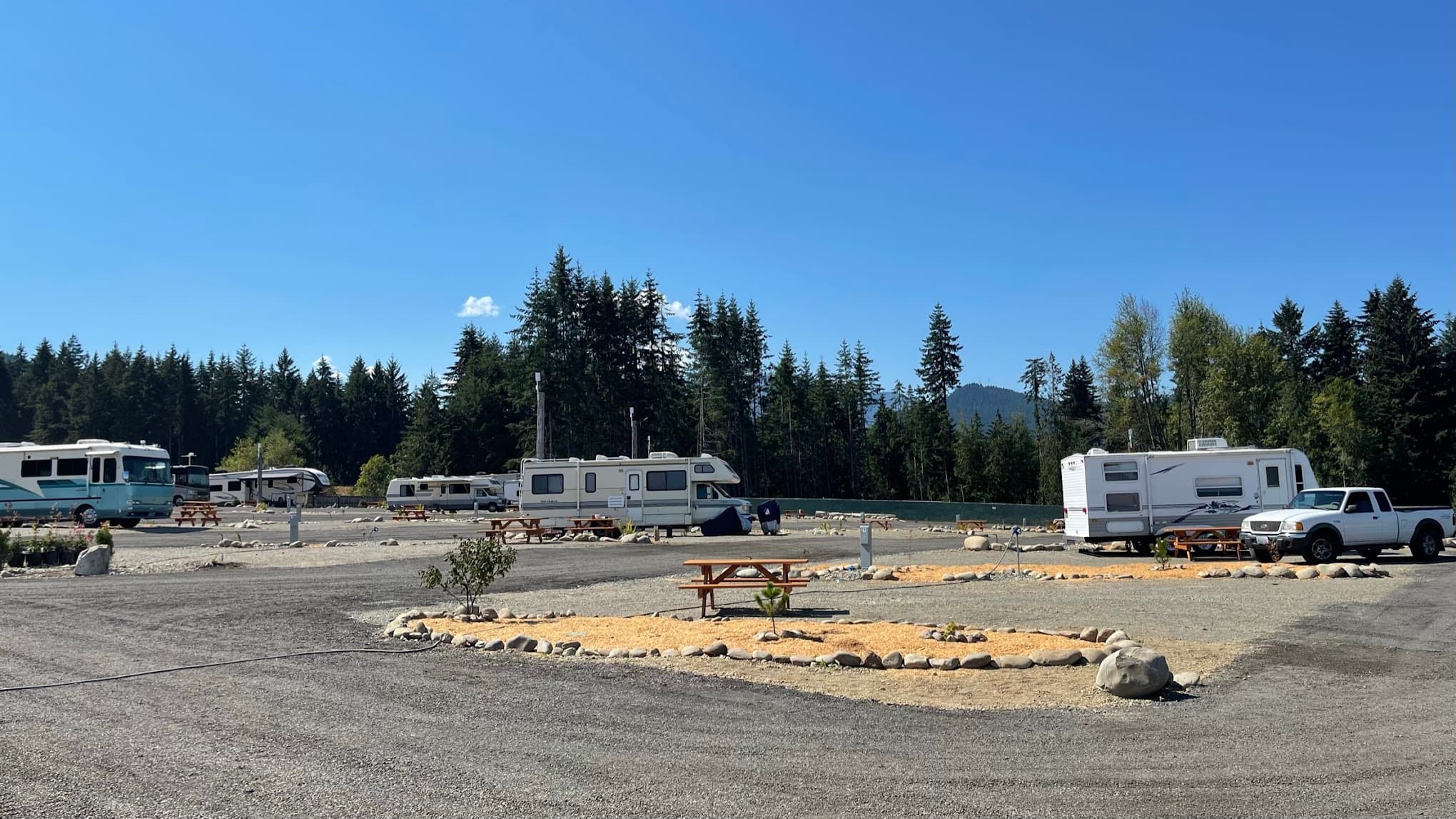
29.Island View RV Park
Island View RV Park is the newest RV Park in Port Angeles. With Phase 1 completed, we now offer 30 beautiful sites. The bulk of our RV sites are 40' x 48' drive-throughs with 30 &...
Show more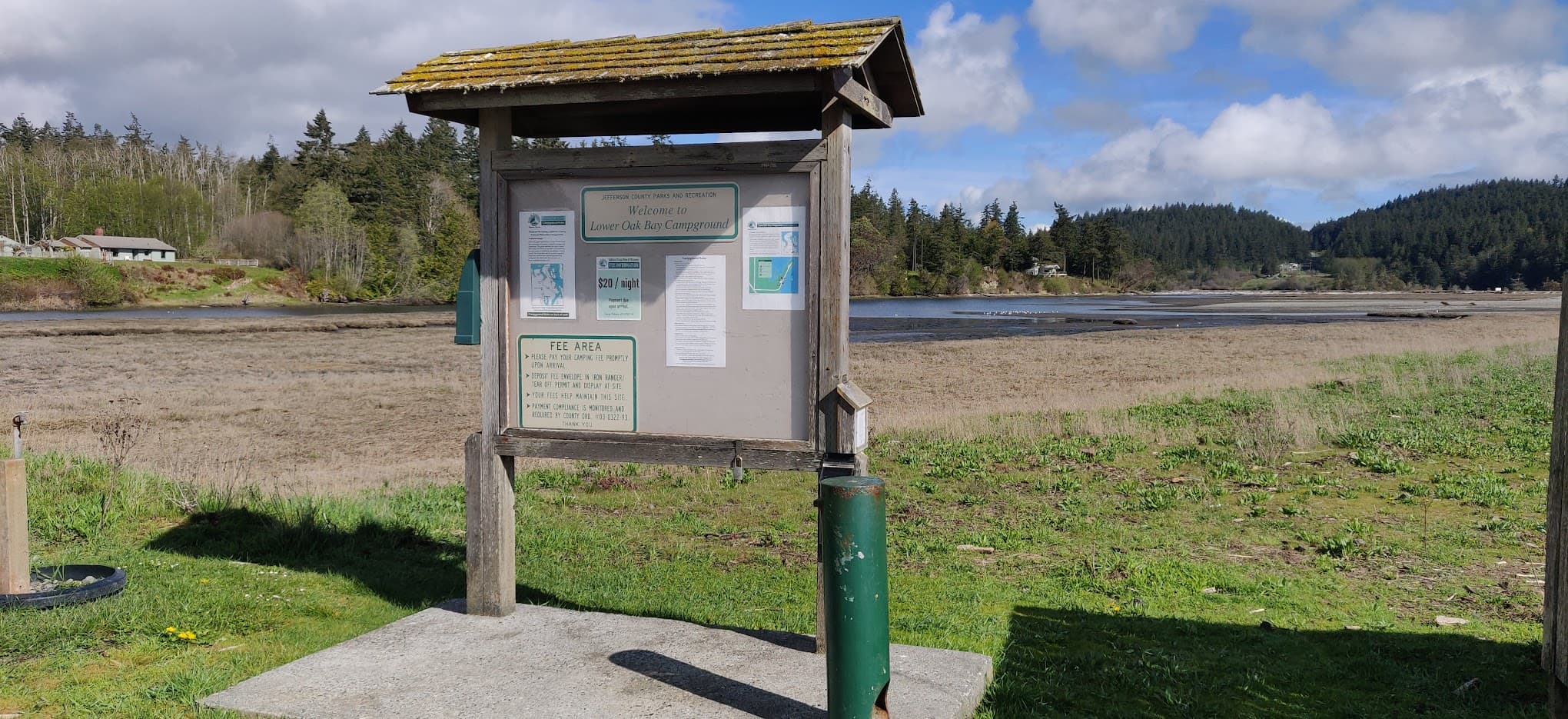
30.Oak Bay Campground and Day Use Park
Oak Bay Campgrounds are open from April 1st to October 31st. The campgrounds are first come, first served, with no reservations allowed. The campgrounds have scenic wooded...
Show moreShowing 21–30 of 234 campgrounds within 50 miles
Frequently Asked Questions
What campgrounds are inside Olympic National Park?
Olympic has more than a dozen campgrounds across its regions. Major campgrounds include Heart O' the Hills (105 sites, $20-24/night), Hoh (78 sites, $20-24/night), Kalaloch (coastal, $22-24/night), Sol Duc (82 tent + 17 RV sites), Mora (94 sites, coastal), and Staircase ($20-24/night). None of the park campgrounds have hookups.
Kalaloch and Mora sit on the Pacific coast with ocean access. Hoh is deep in the temperate rainforest surrounded by moss-draped old-growth trees. Sol Duc is near the hot springs resort. Heart O' the Hills is five miles south of Port Angeles on Hurricane Ridge Road, the closest camp to alpine meadows. Fairholme sits on Lake Crescent. Reservations through Recreation.gov are required from Memorial Day through mid-September at most campgrounds.
Are there RV hookups at Olympic campgrounds?
No park-operated campground in Olympic has electric, water, or sewer hookups. The Sol Duc Hot Springs Resort operates an adjacent RV park with water and electric hookups during summer months. All other camping is self-contained, dry camping.
The Sol Duc Resort RV Park is the only hookup option near the park interior. For full-hookup private campgrounds, check Port Angeles, Sequim, and Forks. RV size limits vary by campground and many sites have tight turns on narrow roads. Sol Duc campground has a dump station with a fee. Large rigs should verify specific site dimensions before reserving.
How much rain does Olympic National Park get?
Rainfall varies dramatically across the park. The Hoh Rain Forest and western valleys receive 140 to 170 inches per year (12 to 14 feet). The rain shadow on the northeast side near Sequim receives fewer than 20 inches annually, less than Los Angeles.
About 75 percent of the annual rainfall occurs between October and March. July and August are the driest months with the most reliable camping weather, though rain is possible any day of the year. The dramatic rainfall difference across the park is caused by the Olympic Mountains forcing moisture-laden Pacific air upward, wringing out precipitation on the western slopes and leaving the northeastern side dry.
Can I bring my dog to Olympic National Park?
Dogs on a leash of six feet or shorter are allowed in campgrounds, parking areas, and on park roads. Dogs are prohibited on all hiking trails and wilderness beaches. There are no dog-friendly trails in the park.
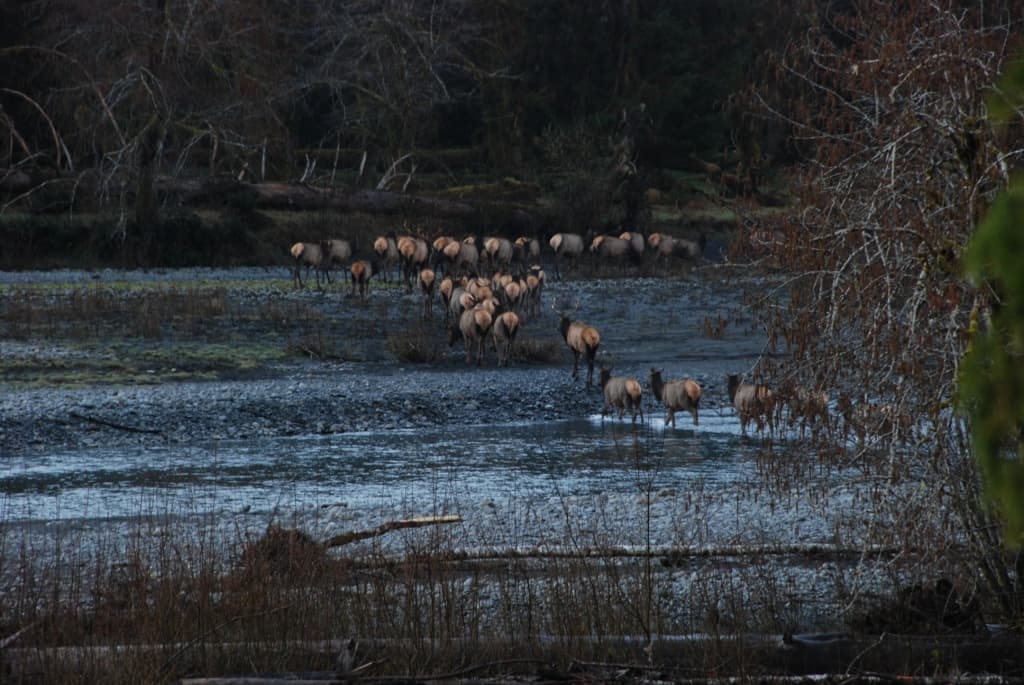
The pet restriction is strict because Olympic protects sensitive wildlife including Roosevelt elk herds and endangered species. For trail hiking with dogs, Olympic National Forest surrounds much of the park and allows leashed dogs on most trails. Rialto Beach north of the Hole-in-the-Wall is technically wilderness and prohibits dogs. Pet-friendly accommodations are available in Port Angeles, Sequim, and Forks.
What is the Hoh Rain Forest like?
The Hoh Rain Forest is one of the largest temperate rainforests in the United States. Massive Sitka spruce and western red cedar trees draped in mosses and ferns create a green canopy that filters light to the forest floor. Annual rainfall of 140 to 170 inches sustains this lush ecosystem year-round.
The Hall of Mosses Trail (0.8 miles loop) and Spruce Nature Trail (1.2 miles loop) are the two most popular short walks through the rainforest. The Hoh River Trail extends 17.3 miles to the base of Mount Olympus for backpackers. The visitor center has exhibits on rainforest ecology. Parking fills by mid-morning from June through September, so campers at Hoh Campground have a significant advantage with guaranteed access.
When is the best time to visit Olympic National Park?
July and August offer the driest, warmest weather with the most reliable camping conditions and all facilities open. September brings fewer crowds with still-pleasant weather. The wet season from October through May brings heavy rain to the western valleys but fewer visitors.
Summer daytime temperatures in the lowlands reach the 60s to 70s, with cooler conditions at higher elevations and along the coast. Hurricane Ridge is typically accessible by car from late June through October. Winter visits offer dramatic storm watching on the coast and snow activities at Hurricane Ridge, but many campgrounds and roads close seasonally. Sol Duc Road closes after the first major winter storm each fall.
What is Hurricane Ridge?
Hurricane Ridge is a subalpine meadow area at about 5,200 feet elevation, offering panoramic views of the Olympic Mountains and the Strait of Juan de Fuca on clear days. It is the most accessible alpine area in the park, reached by a 17-mile drive from Port Angeles.
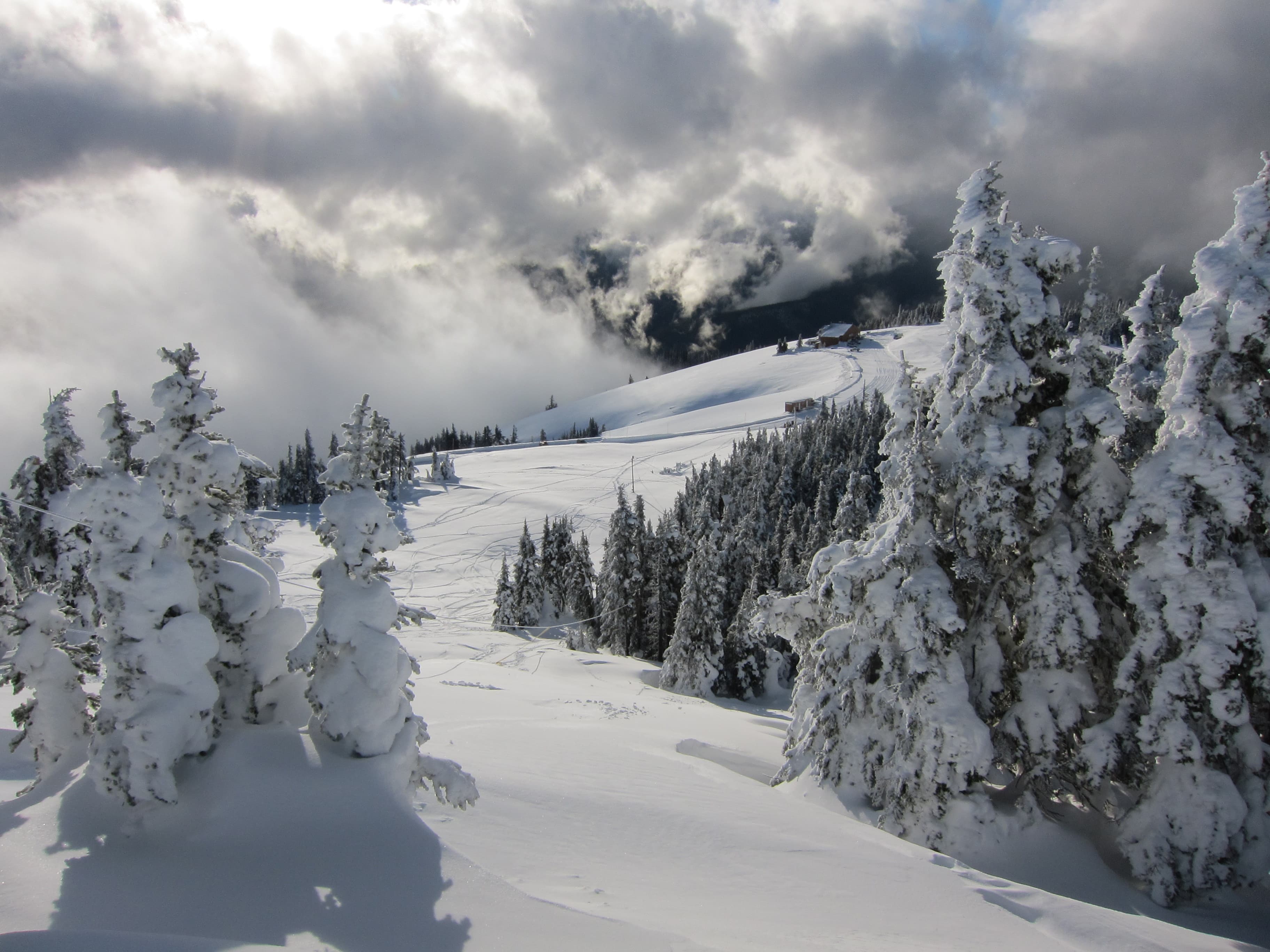
The Hurricane Ridge Visitor Center has exhibits, a gift shop, and restrooms. Several trails start from the ridge, including Hurricane Hill Trail (3.2 miles round trip) with wildflower meadows and mountain views. In winter, Hurricane Ridge operates a small ski and snowboard area on weekends and holidays. The road can close temporarily due to snow and ice. Marmots and black-tailed deer are commonly spotted in the meadows.
Can I visit tide pools at Olympic?
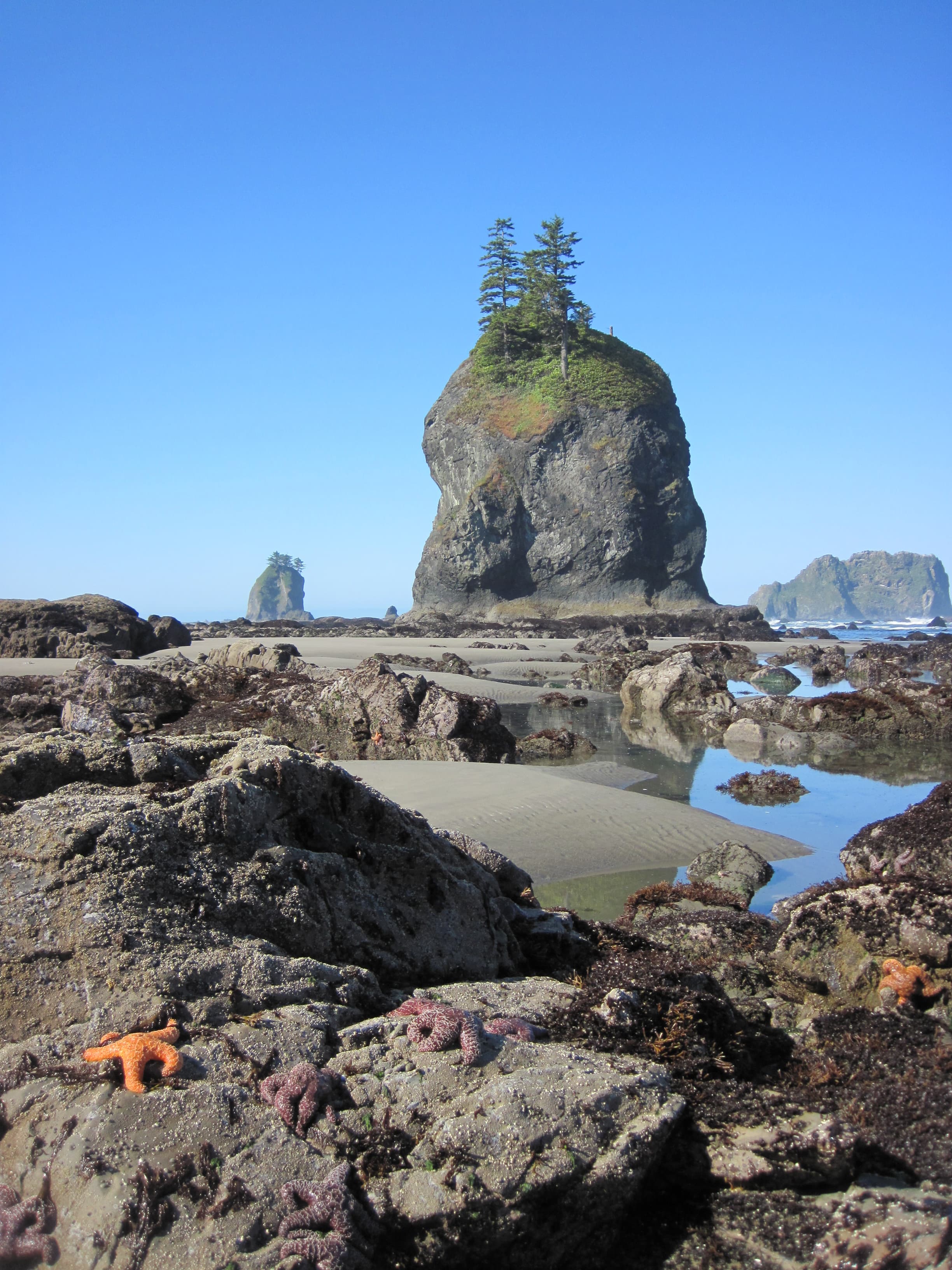
Olympic's 73 miles of coastline offer excellent tidepooling at beaches including Rialto Beach, Ruby Beach, Beach 4, and Kalaloch Beach. Low tides expose sea stars, anemones, mussels, crabs, and other marine life in rocky pools along the shore.
Check tide charts before visiting and aim for minus tides (below zero) for the best tidepooling. Never turn over rocks or remove marine life. The coast is wild and unimproved, with slippery rocks and unpredictable waves. Sneaker waves can sweep people off rocks without warning. Kalaloch and Mora campgrounds provide the most convenient coastal camping with beach access steps from your campsite.
Quick Facts
- Entrance Fee
- $30/vehicle (7 days)
- Best Time to Visit
- July – September
- Nearest Town
- Port Angeles, WA, Sequim, WA, Forks, WA
- Elevation
- Sea level – 7,980 ft
- Park Size
- 922,651 acres
- Annual Visitors
- ~3.1 million