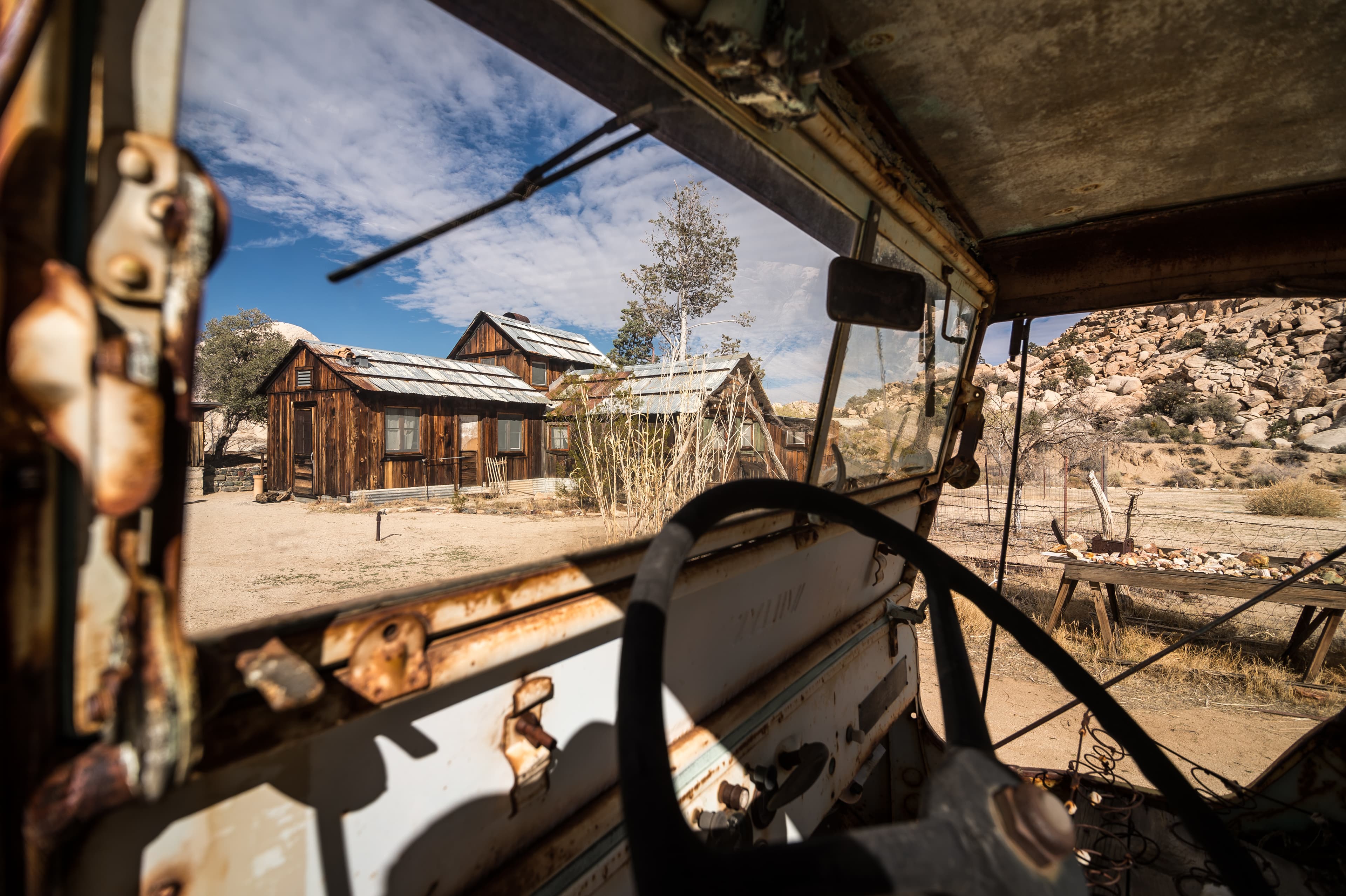
Camping Near Joshua Tree National Park
California | Established 1994
About Joshua Tree National Park
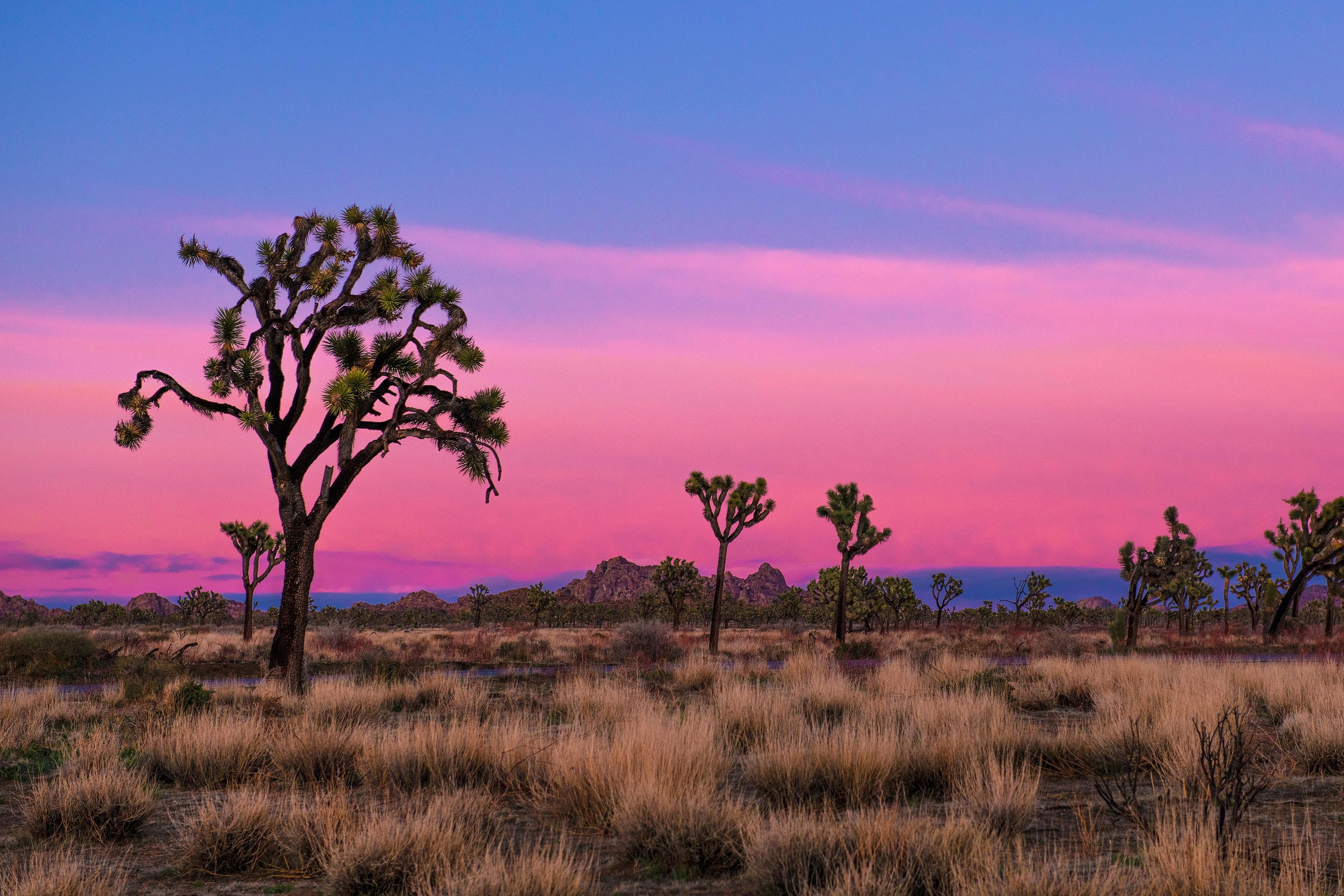
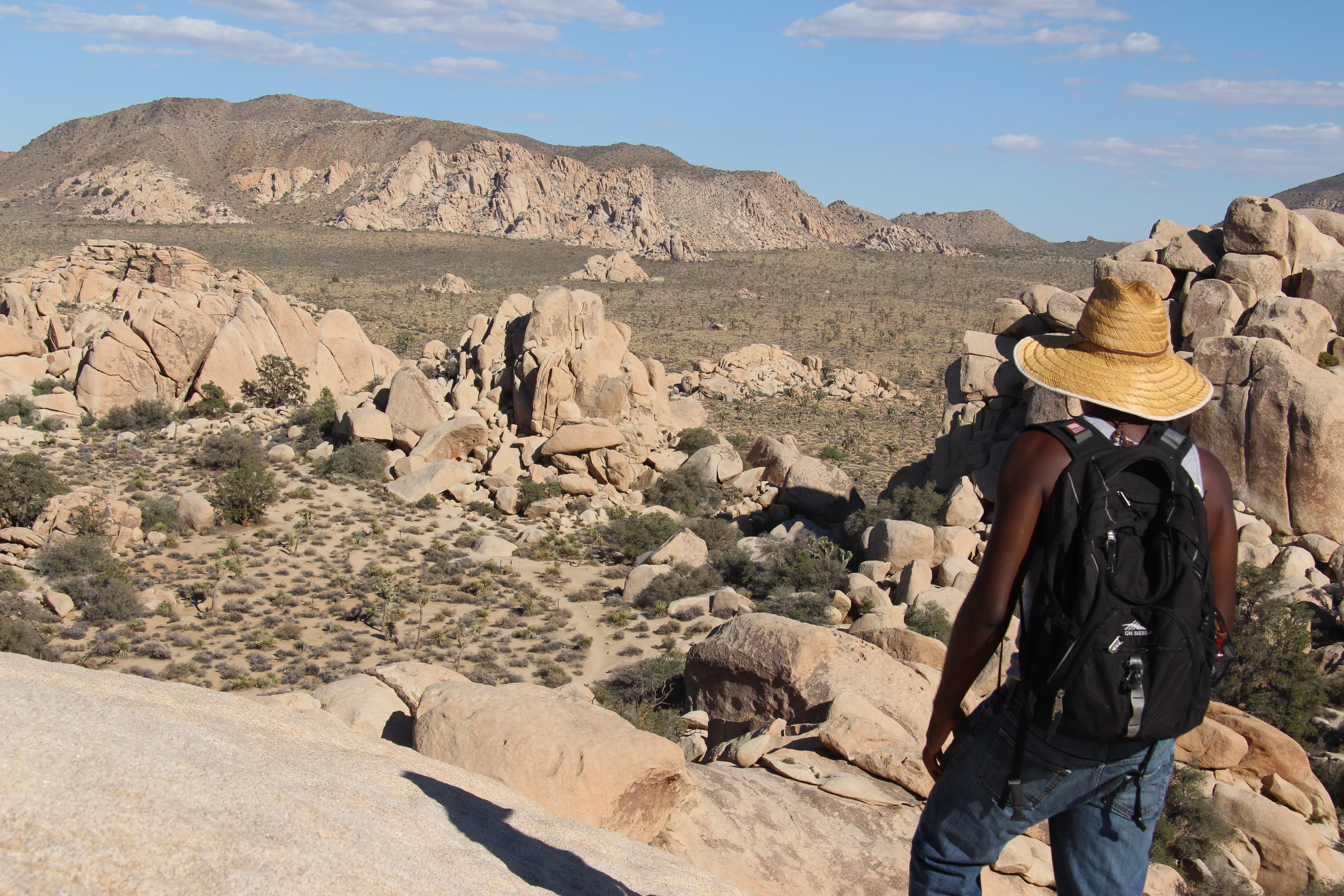
Joshua Tree National Park covers 795,156 acres where the higher Mojave Desert meets the lower Colorado Desert in southern California. The park is named for the distinctive Joshua trees (actually giant yuccas) that dot the landscape alongside massive quartz monzonite boulder piles shaped by millions of years of erosion. This desert environment is an International Dark Sky Park, offering some of the best stargazing in the country.
Eight campgrounds provide about 500 sites, but desert camping here requires preparation. Only Black Rock and Cottonwood campgrounds have potable water and flush toilets. The other six campgrounds are dry, meaning no water, no hookups, and vault toilets only. Visitors must bring at least one gallon of water per person per day for drinking and cooking, plus additional water for any other needs.
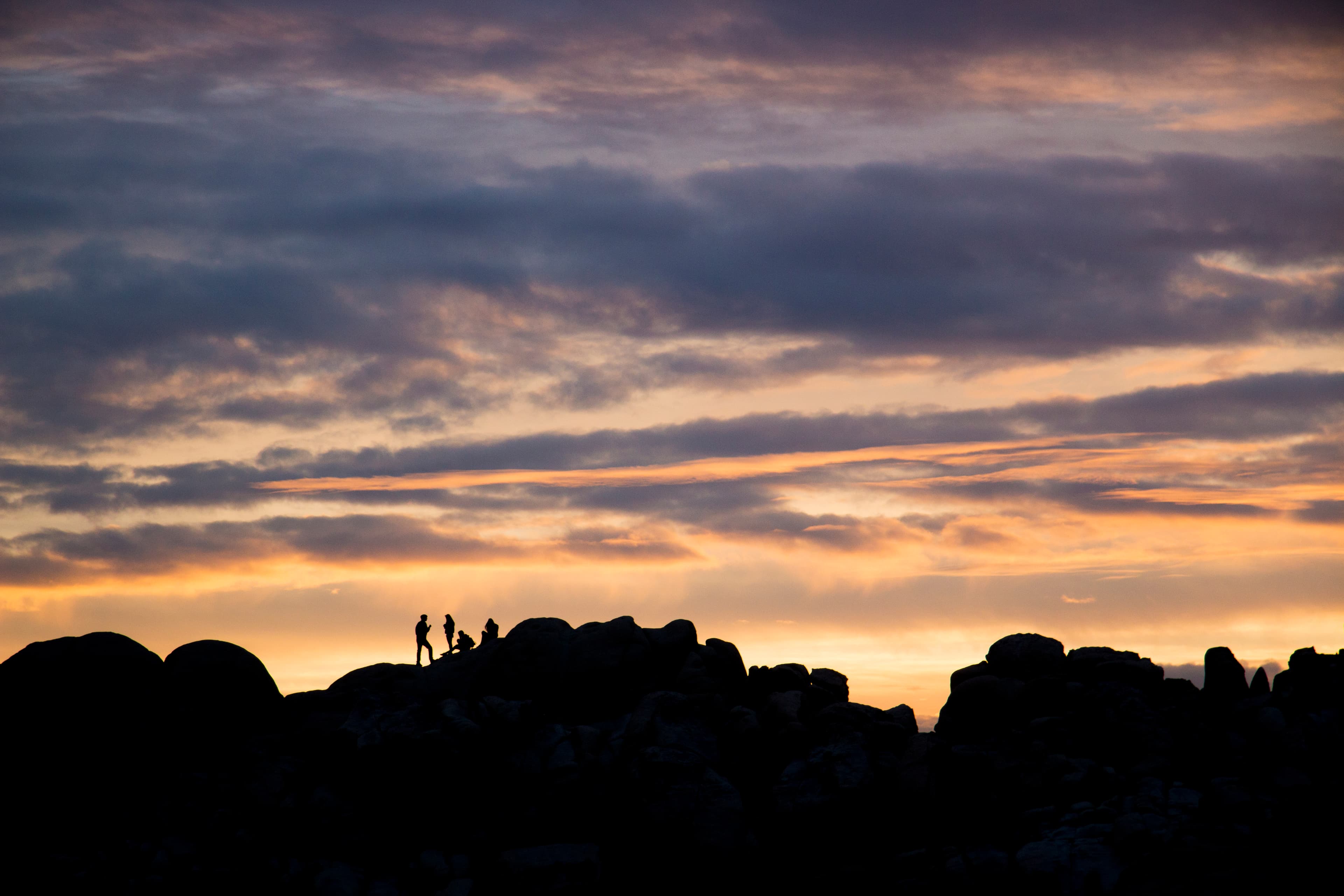
Rock climbing is a major draw, with more than 10,000 established routes ranging from beginner-friendly bouldering to expert multi-pitch ascents on the park's distinctive granite formations. The desert climate makes October through April the prime season for camping and climbing, with pleasant daytime temperatures in the 60s to 80s. Summer temperatures regularly exceed 100 degrees, making midday activity dangerous and campsite shade nearly nonexistent.
Camping Tips for Joshua Tree
- Bring all your own water. Only Black Rock and Cottonwood campgrounds have potable water. All other campgrounds are completely dry with no water available anywhere nearby. Plan for at least one gallon per person per day.
- Camp in the cooler months between October and April. Summer temperatures exceed 100 degrees daily with ground temperatures reaching 180 degrees, making camping uncomfortable and potentially dangerous.
- No campground in Joshua Tree has electric, water, or sewer hookups. Black Rock and Cottonwood have dump stations. RVs up to 35 feet fit at Black Rock, Cottonwood, and Jumbo Rocks.
- The park is an International Dark Sky Park with exceptional stargazing. Bring a red headlamp to preserve night vision and plan at least one evening without campfire light to enjoy the Milky Way overhead.
- Reserve sites at Black Rock, Cottonwood, Indian Cove, Jumbo Rocks, and Ryan through Recreation.gov up to six months in advance. Hidden Valley, Belle, and White Tank are first-come, first-served only.
RV Parks & Campgrounds Near Joshua Tree National Park

161.Hoogstad Camp Ground
Hoogstad Camp Ground is a campground located in Yucca Valley, California, offering a convenient base for exploring the high desert region. The facility provides camping...
Show more162.Owl Area
Owl Area is a campground located in Santa Ysabel, California, offering a peaceful retreat in the scenic San Diego County region. The campground provides a natural setting ideal...
Show more163.Meadow View Campground B
Meadow View Campground B is a welcoming campground located in Warner Springs, California, offering a peaceful retreat in a scenic setting. The campground provides a comfortable...
Show more164.Mansir Ranch
Mansir Ranch is a campground located in Ranchita, California, offering a rural camping experience in the scenic foothills region. The property provides basic camping facilities...
Show more165.Bullfrog Campsite
Bullfrog Campsite is a campground located in Santa Ysabel, California, offering a convenient base for exploring the area. The campground provides basic camping facilities for...
Show more166.Rustic Getaways
Rustic Getaways is a campground located in Joshua Tree, California, offering a genuine desert camping experience. Situated in one of Southern California's most iconic landscapes,...
Show moreShowing 161–166 of 166 campgrounds within 50 miles
Frequently Asked Questions
What campgrounds are in Joshua Tree National Park?
Joshua Tree has eight campgrounds with about 500 total sites. Black Rock (100 sites, $35/night) and Cottonwood (62 sites, $35/night) have potable water and flush toilets. Jumbo Rocks (125 sites, $30/night) and Indian Cove (101 sites, $30/night) are the largest dry campgrounds. Hidden Valley (44 sites), Belle (18 sites), and White Tank (15 sites) are first-come at $25/night.
Black Rock is at the northwest corner near Yucca Valley with water, flush toilets, and a dump station. Cottonwood is at the south entrance with the same amenities. Ryan (31 sites, $30/night) sits centrally near Ryan Mountain trailhead. Indian Cove has water available but no hookups. Belle and White Tank typically close from May through September due to extreme heat.
Is there water at Joshua Tree campgrounds?
Only Black Rock and Cottonwood campgrounds have potable water. Indian Cove also has water available. The other five campgrounds have no water at all. Bring all the water you need, planning for at least one gallon per person per day for drinking and cooking.
The nearest water refill and grocery options are in Twentynine Palms (northeast entrance), Joshua Tree town (west entrance), or Yucca Valley (northwest). White Tank campground is the most remote at 15 miles from any services. Dump stations are only at Black Rock and Cottonwood. Gray water should be scattered at least 200 feet from campsites and water sources.
Can I bring my dog to Joshua Tree National Park?
Dogs on a leash are allowed in campgrounds, picnic areas, and on paved and dirt roads. Dogs are prohibited on all hiking trails, in backcountry areas, and more than 100 feet from roads, picnic areas, or campgrounds.
The desert environment poses serious risks to dogs including rattlesnakes, scorpions, cactus spines (especially jumping cholla), and extreme heat. Hot ground can burn paw pads when surface temperatures exceed 150 degrees. There are no dog-friendly trails in the park. For trail hiking with dogs, BLM land surrounding the park allows leashed dogs on most routes.
When is the best time to camp at Joshua Tree?
October through November and March through April offer the best camping weather with daytime highs in the 60s to 80s and cool nights in the 40s to 50s. Wildflower blooms can be spectacular from March through April in good rainfall years. Avoid June through August when temperatures exceed 100 degrees daily.
Winter camping from December through February brings pleasant daytime temperatures in the 60s to 70s but nights can drop below freezing. The daily temperature swing of 30 to 40 degrees is common in the desert, so pack layers regardless of season. Summer visitors should limit activity to early morning and evening, carry extra water, and watch for heat exhaustion symptoms.
Is Joshua Tree good for rock climbing?
Joshua Tree is one of the premier rock climbing destinations in the world with over 10,000 established routes on quartz monzonite granite. Routes range from beginner bouldering problems to expert multi-pitch climbs. Hidden Valley and the Wonderland of Rocks are the most popular climbing areas.
The climbing season runs from October through May when temperatures are comfortable on the rock. Summer rock temperatures can exceed 150 degrees, making climbing dangerous. No permit is required for rock climbing. Joshua Tree Climbing School and several other outfitters offer guided instruction for beginners. The park has a long tradition in American climbing culture dating to the 1950s.
How is the stargazing at Joshua Tree?
Joshua Tree is designated an International Dark Sky Park, making it one of the best stargazing locations in southern California. On clear moonless nights, the Milky Way is clearly visible to the naked eye. The park hosts regular Night Sky Festival events and ranger-led astronomy programs.
Best stargazing spots include Quail Springs, Hidden Valley, Cap Rock, and Ryan Mountain summit. Summer months offer the most dramatic Milky Way views but also the hottest camping. A new moon weekend in October or March combines good stargazing with pleasant camping weather. Bring a red headlamp to preserve night vision and avoid white light in campgrounds after dark.
What are the best hikes in Joshua Tree?
Top hikes include Ryan Mountain (3 miles round trip, panoramic summit views), Arch Rock Nature Trail (1.2 miles, natural rock arch), 49 Palms Oasis (3 miles round trip, hidden palm oasis), Skull Rock Nature Trail (1.7 miles loop, iconic rock formation), and Boy Scout Trail (8 miles one way, backcountry desert trekking).
For easy walks, the Cholla Cactus Garden (0.25 miles) showcases a dense field of teddy bear cholla in golden light at sunrise and sunset. The Hidden Valley Nature Trail (1 mile loop) winds through massive boulder formations. For a challenge, the 35-mile California Riding and Hiking Trail crosses the park from Black Rock to the north entrance. Start all hikes early in the morning to avoid midday heat.
Are there rattlesnakes at Joshua Tree?
Rattlesnakes are common in Joshua Tree, especially from April through October when temperatures are warm. Watch where you step and place your hands, especially around rocks and bushes. Scorpions, tarantulas, and black widow spiders are also present but generally avoid humans.
Shake out shoes, sleeping bags, and clothing before use, as scorpions and spiders seek shelter in gear overnight. Keep tent zippers closed at all times. If bitten by a rattlesnake, stay calm, keep the bite below heart level, and seek medical attention immediately. The nearest hospitals are in Twentynine Palms and Yucca Valley. Cell service is unreliable throughout much of the park.
Quick Facts
- Entrance Fee
- $30/vehicle (7 days)
- Best Time to Visit
- October – April
- Nearest Town
- Twentynine Palms, CA, Joshua Tree, CA, Yucca Valley, CA
- Elevation
- 536 – 5,814 ft
- Park Size
- 795,156 acres
- Annual Visitors
- ~3.3 million