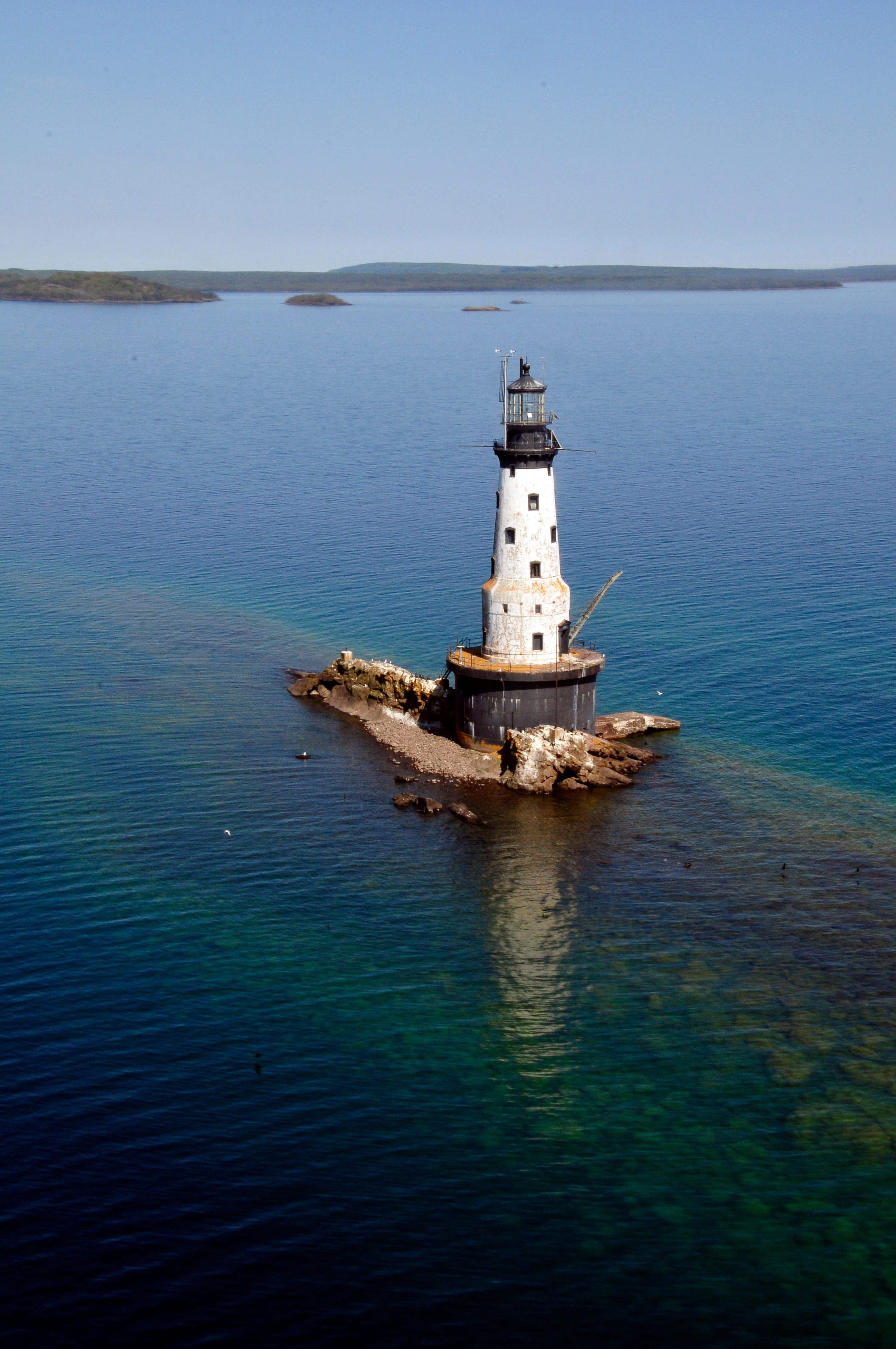
Camping Near Isle Royale National Park
Michigan | Established 1940
About Isle Royale National Park
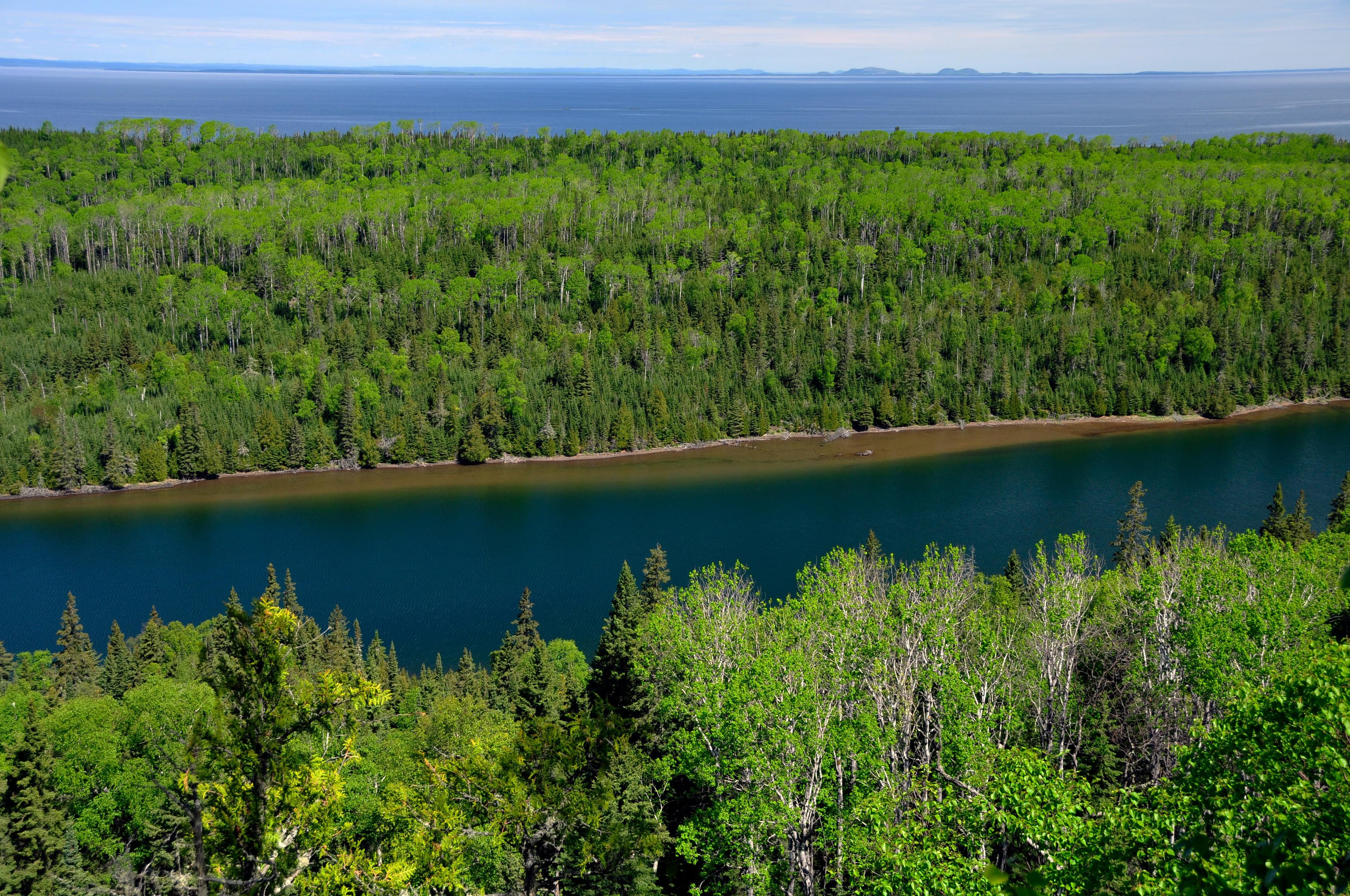
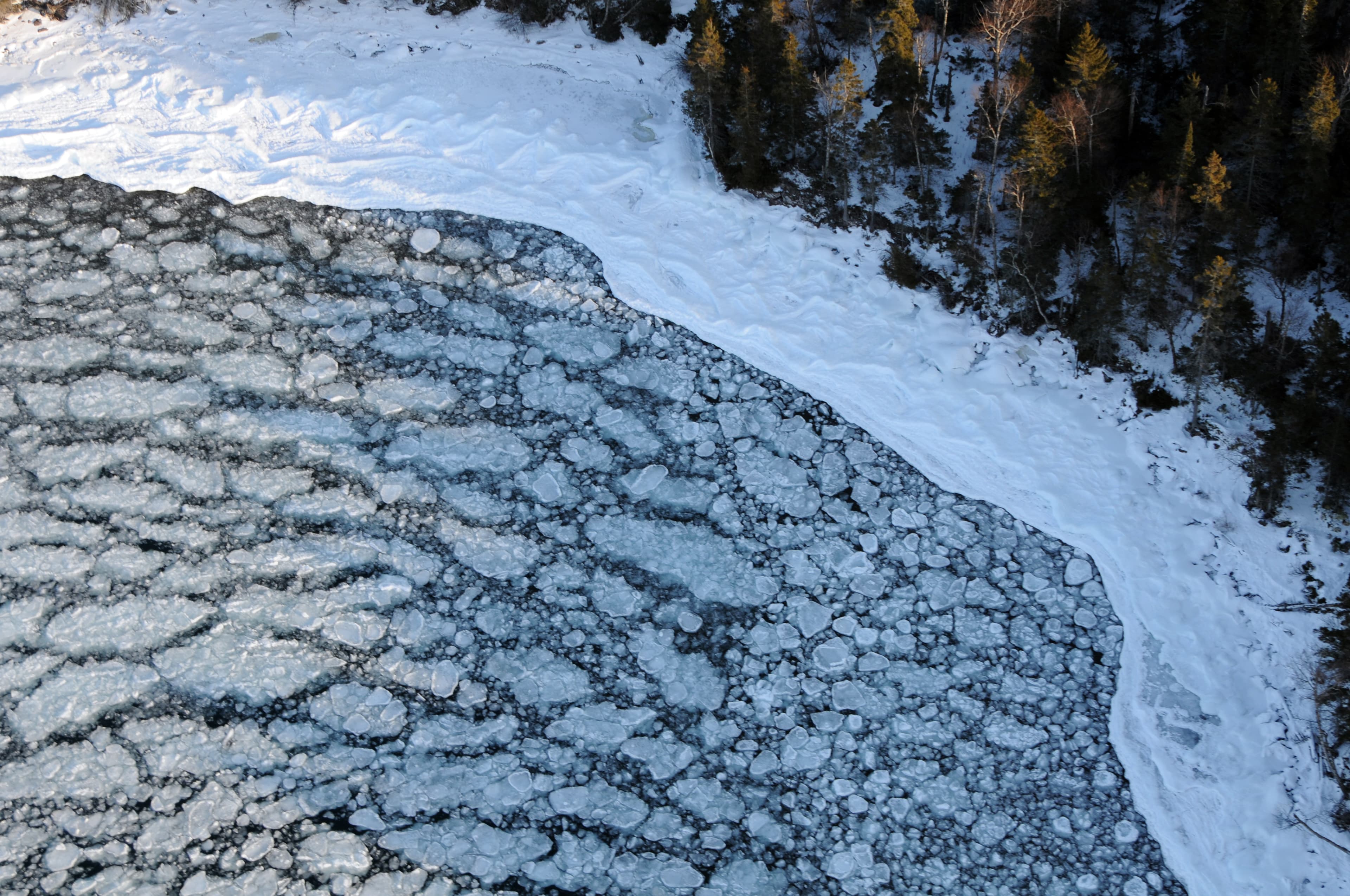
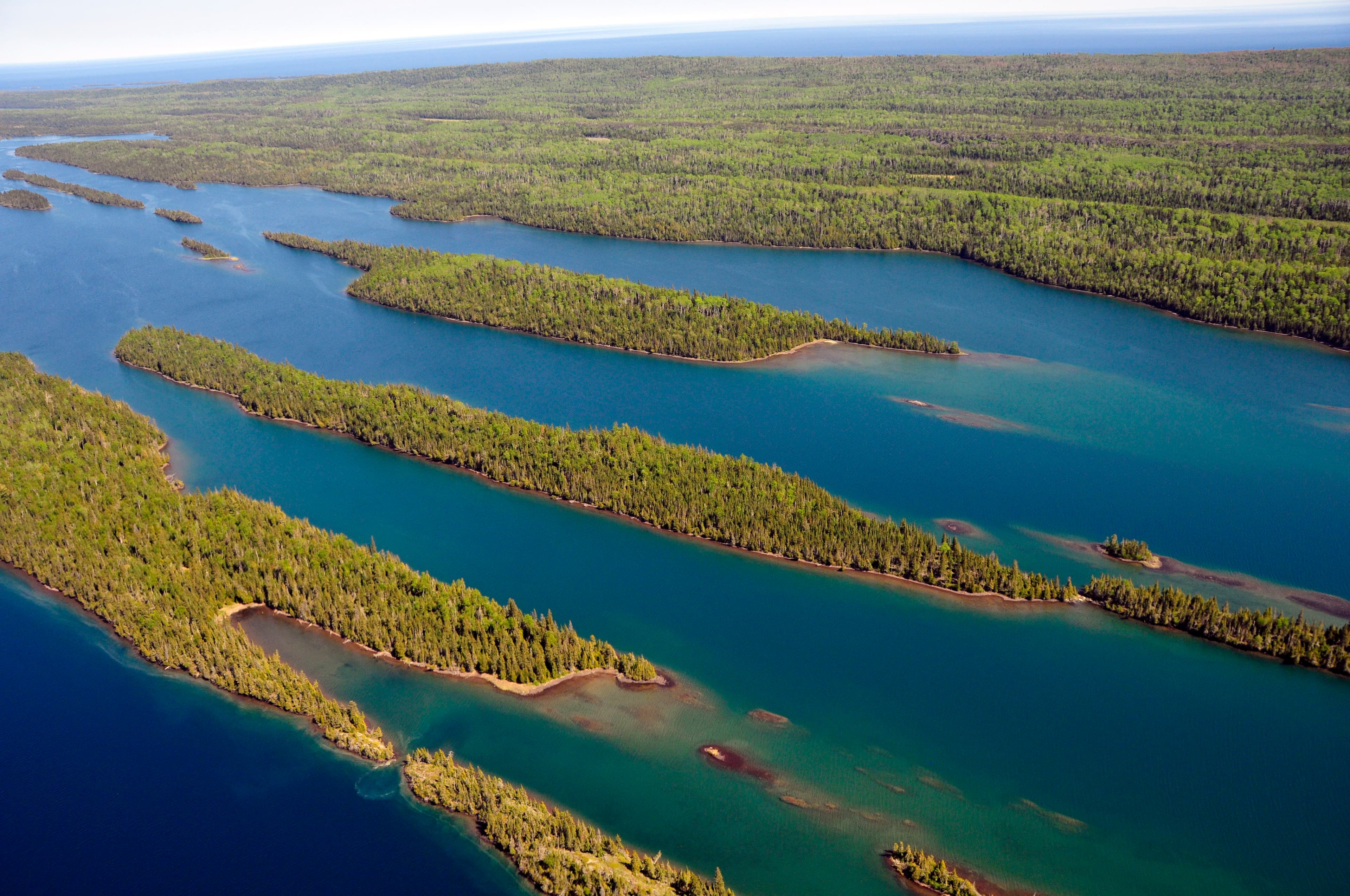
Isle Royale National Park is a 132,018-acre island wilderness in northwestern Lake Superior, 73 miles from Houghton, Michigan. The park comprises one main island (45 miles long) and over 450 smaller islands with no roads, no vehicles, and no cell service. The island supports wolf and moose populations studied continuously since 1958 in the longest-running predator-prey research program in the world.
Thirty-six backcountry campgrounds are scattered across the island with shelters, tent sites, and outhouses, all free with required permits. Rock Harbor on the east end and Windigo on the west end serve as primary arrival points with ranger stations. Camper cabins at Windigo cost $52 per night. Access is by ferry from Houghton (Ranger III, 6 hours) or Copper Harbor (Isle Royale Queen IV, 3 hours, $136 roundtrip) or by seaplane from Hancock. The park operates mid-April through October with peak visitation in July and August.
Camping Tips for Isle Royale
- Book ferry transportation months in advance for July and August travel. The Ranger III from Houghton runs Tuesdays and Fridays (6-hour crossing) with reservations through pay.gov. Isle Royale Queen IV from Copper Harbor runs daily (3-hour crossing, $136 roundtrip per person). Summer ferries sell out weeks ahead.
- Arrive at campgrounds by early afternoon since all 36 sites are first-come, first-served. Daisy Farm (16 shelters, 6 tent sites, 7 miles from Rock Harbor) fills by 2 p.m. during peak season. Shelters have roofs but open sides; bring a tent regardless. Plan 6 to 8 miles between camps per day.
- Filter and treat all water from Lake Superior and inland sources using a combination method (filter plus UV or filter plus chemical treatment). Giardia and other pathogens contaminate park waters. Carry 2 to 3 liters of water capacity since some ridge sections have 10-mile gaps between water sources.
- Pack full bug defense for mid-June through July when mosquitoes and black flies peak. Bring DEET repellent, long sleeves, pants, and a head net. Campgrounds on Lake Superior shoreline have fewer insects due to lake breezes. Late August and September see dramatically fewer bugs.
- Pay the $7 per person daily entrance fee at Rock Harbor or Windigo ranger stations upon arrival. Permits for individual parties of six or fewer are free and issued on-site. Groups of seven or more must reserve advance group permits at $25 per site through the NPS.
RV Parks & Campgrounds Near Isle Royale National Park
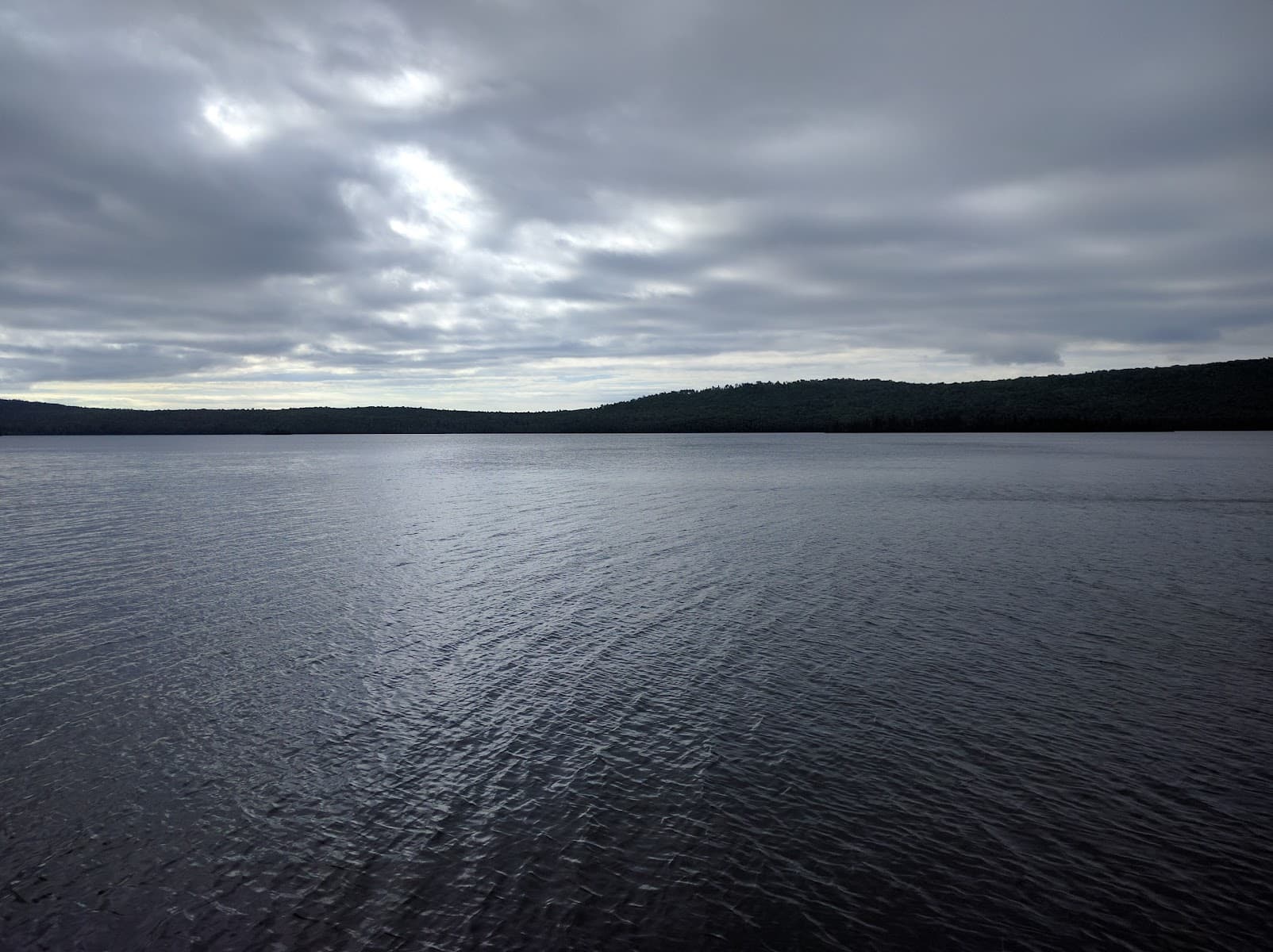
11.North Lake Desor Campground
North Lake Desor Campground is a well-regarded campground located in Eagle Harbor Township, Michigan. This destination offers a peaceful retreat in Michigan's Upper Peninsula,...
Show more
12.Washington Creek Campground
Washington Creek Campground is a highly-rated campground located in Eagle Harbor Township, Michigan, offering a peaceful retreat in Michigan's Upper Peninsula. With an impressive...
Show more13.Pickerel Cove Campground
Unfortunately, the provided website content does not seem to be related to Pickerel Cove Campground. It appears to be a website for Isle Royale National Park. As a result, I will...
Show more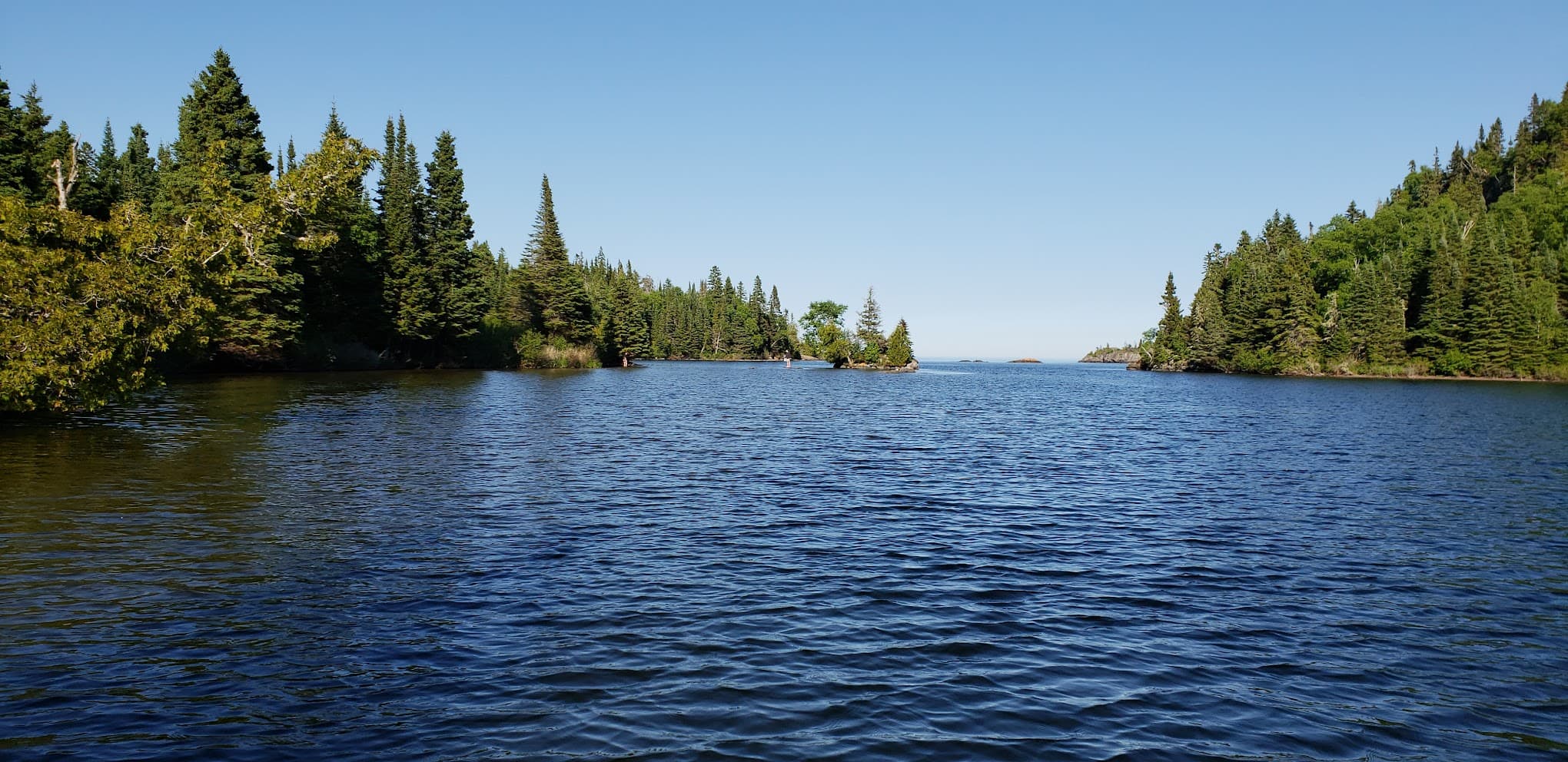
14.Chippewa Harbor Campground
Chippewa Harbor Campground is a highly-rated campground located in Houghton Township, Michigan. With a perfect 5-star Google rating based on visitor reviews, this destination...
Show more15.Todd Harbor Campground
Todd Harbor Campground is a highly-rated campground located in Eagle Harbor Township, Michigan. With a perfect 5-star Google rating based on 8 reviews, this destination offers a...
Show more16.Lane Cove Campground
Lane Cove Campground is a highly-rated campground located in Houghton Township, Michigan, boasting a perfect 5-star rating from visitors. This destination offers a welcoming...
Show more17.Rock Harbor Campground
Rock Harbor Campground is a highly-rated campground located in Houghton Township, Michigan, offering visitors a peaceful retreat in the Upper Peninsula. With a perfect 5-star...
Show more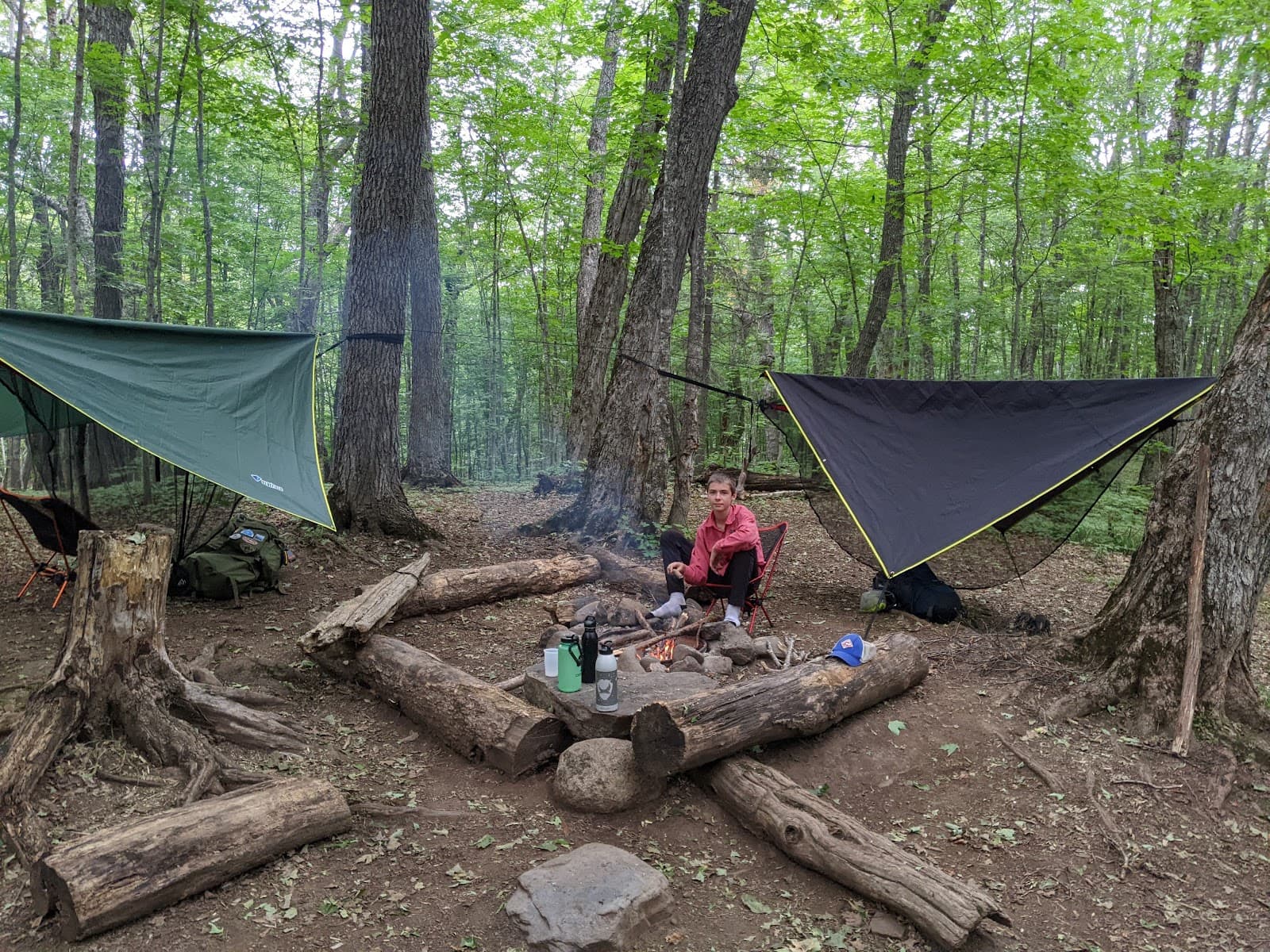
18.Island Mine Campground
Island Mine Campground is a welcoming campground located in Eagle Harbor Township, Michigan. With a solid Google rating of 4.2 out of 5 stars based on 13 reviews, it offers a...
Show more19.South Lake Desor Campground
South Lake Desor Campground is a highly-rated campground located in Eagle Harbor Township, Michigan, offering a peaceful retreat in the Upper Peninsula. With an impressive 4.8 out...
Show more20.Duncan Bay Narrows Campground
Duncan Bay Narrows Campground is a highly-rated campground located in Houghton Township, Michigan. With a perfect 5-star Google rating based on visitor reviews, this destination...
Show moreShowing 11–20 of 40 campgrounds within 50 miles
Frequently Asked Questions
How do I get to Isle Royale?
Three ferry services and one seaplane service operate from mid-April through October. The Ranger III departs Houghton on Tuesdays and Fridays for a 6-hour crossing to Rock Harbor. Isle Royale Queen IV departs Copper Harbor daily for a 3-hour crossing ($136 roundtrip). The Voyageur II connects Grand Portage, Minnesota, to Windigo.
Reserve Ranger III through the NPS pay.gov system weeks in advance, especially for July and August departures. Isle Royale Queen IV reservations are made directly with the operator. The Voyageur II from Grand Portage offers the shortest crossing (approximately 2 hours to Windigo). Seaplane service from Hancock reaches the island in under an hour but at higher cost. All services are weather-dependent; Lake Superior storms can cancel crossings with little notice. Build buffer days into your itinerary for weather delays.
Do I need reservations for backcountry campsites?
No advance campsite reservations are needed for individual parties of six or fewer. All 36 campgrounds operate first-come, first-served with free permits issued at Rock Harbor or Windigo ranger stations. Groups of seven or more must obtain advance group permits at $25 per site through the NPS pay.gov system.
While campsite reservations are not needed, ferry reservations are essential and should be made months in advance. Individual camping permits are free and issued upon arrival at ranger stations during operating hours. The $7 per person daily entrance fee is separate from camping. Designated campsites have cleared tent pads, shelters with roofs and bunks, outhouses, and water access. Some campgrounds have dock access for water taxis. Stay limits of one to three consecutive nights per site apply from June through Labor Day.
Which campgrounds are best for first-time visitors?
Daisy Farm (7 miles from Rock Harbor, 16 shelters, 6 tent sites) is the largest campground with a ranger station and dock, making it ideal for beginners. Rock Harbor Campground (arrival point, 9 shelters) works as a launch base but has a one-night limit from June through Labor Day. Moskey Basin (4 miles past Daisy Farm) offers quieter camping.
Plan a route from Rock Harbor to Daisy Farm on day one (7 miles, moderate trail), then continue to Moskey Basin (4 miles) or Three Mile Campground on day two. This pace covers manageable distances while experiencing different island environments. Shelters provide rain protection but are open-sided; always bring a tent. Daisy Farm fills by early afternoon in peak season. Rock Harbor Lodge offers indoor accommodations if you prefer a comfortable first night before hitting the trail.
When are mosquitoes and black flies worst?
Mid-June through late July brings the worst mosquito and black fly populations. Interior forest campgrounds suffer the heaviest insect activity. Shoreline campgrounds on Lake Superior benefit from breezes that reduce bugs. Late August and September offer dramatically fewer insects with comfortable temperatures in the 45 to 65 degree range.
Mosquitoes hatch in massive numbers as snowmelt pools warm in mid-June. Black flies are most aggressive in early summer along streams and wet areas. Pack DEET-based repellent, long-sleeved shirts, pants, and a head net regardless of your travel dates. Permethrin-treated clothing provides additional protection. September is an underrated month with minimal bugs, fall color beginning on hardwood trees, and excellent wildlife viewing as moose move to lower elevations. The trade-off is shorter daylight hours and cooler temperatures.
What is the Greenstone Ridge Trail?
The Greenstone Ridge Trail is the island's backbone route, running 40 miles from Windigo to Rock Harbor along the highest ridgeline. Most backpackers complete it in four to six days, camping at designated sites along the ridge. The trail reaches Mount Desor (1,394 feet), the island's highest point, with views across Lake Superior.
This is Isle Royale's premier long-distance hike and requires careful planning. Water is scarce on exposed ridge sections with gaps of 10 miles or more between reliable sources. Carry extra water capacity and a reliable filter. The trail is well-marked but rocky and uneven in places. Campgrounds along the route include Island Mine, Hatchet Lake, and South Lake Desor. Weather changes rapidly at ridge elevation with cold winds and rain possible any day. Most hikers travel east to west (Rock Harbor to Windigo) to put the harder miles first.
Can I fish at Isle Royale?
Yes. Lake Superior and inland lakes support walleye, lake trout, northern pike, and brook trout. A Michigan fishing license is required for all anglers 17 and older, available online or at the Houghton visitor center before departure. Only artificial lures and flies are permitted; no live bait allowed in the park.
Lake trout fishing is best from shore or by canoe near rocky points and deep drop-offs. Inland lakes vary in productivity; check with rangers at Rock Harbor for current conditions and specific lake recommendations. Some inland lakes are barren while others support healthy brook trout populations. Fishing provides a valuable food supplement for extended backpacking trips. Keep catches within posted limits and practice catch-and-release for species under conservation pressure.
What wildlife will I see?
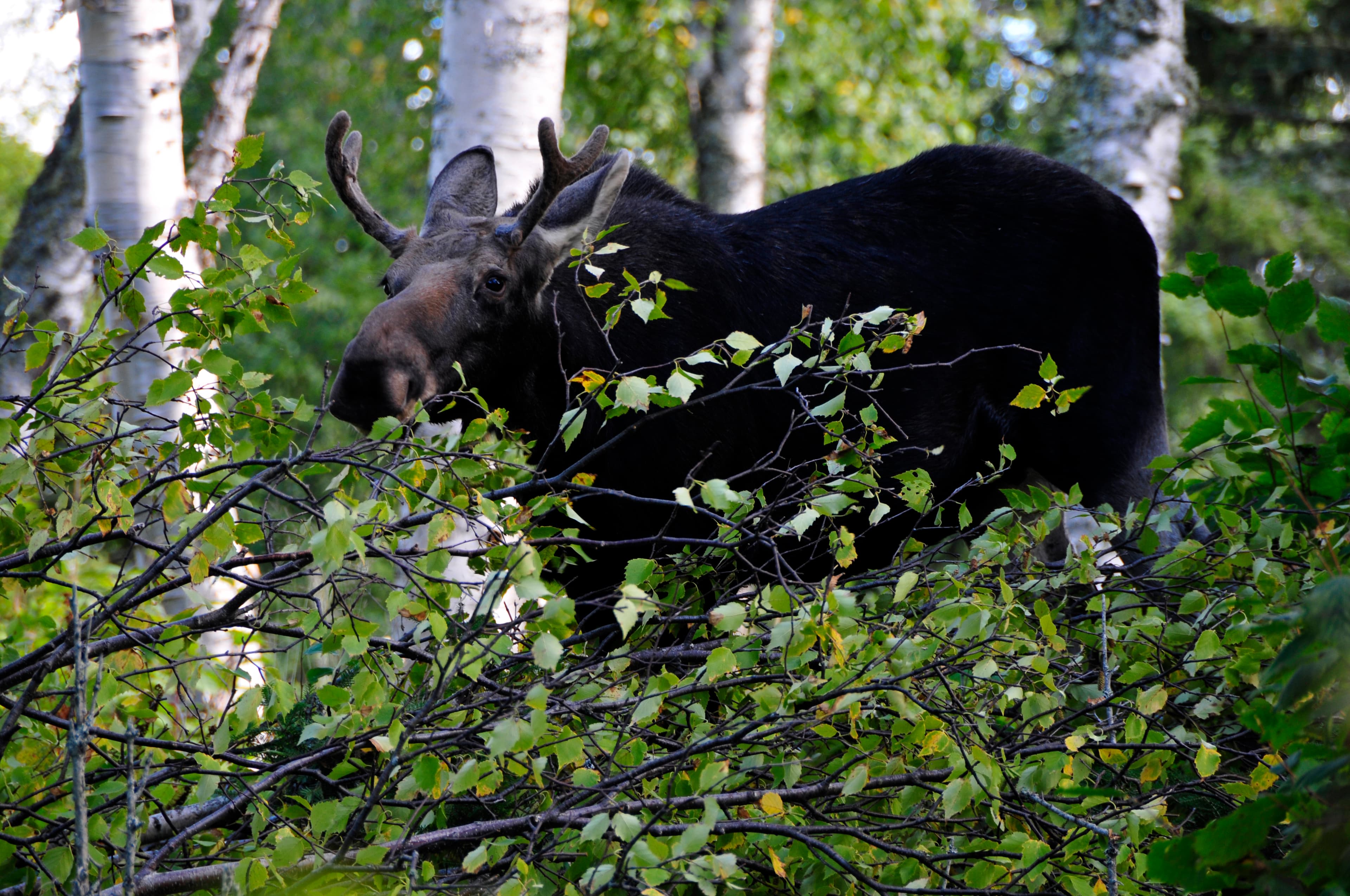
Isle Royale is famous for its wolf and moose populations, studied continuously since 1958. Moose are commonly seen browsing in wetlands, ponds, and along shoreline trails, especially at dawn and dusk. Wolf sightings are rare but tracks and scat are frequently spotted. Beavers, red foxes, loons, and bald eagles are also present.
Maintain at least 25 yards from moose, which can be aggressive, especially cows with calves in spring. Bull moose during fall rut (September through October) are unpredictable. Wolves actively avoid humans and sightings happen only a few times per season. The ongoing wolf-moose study is the world's longest predator-prey research program. Loons nest on inland lakes and their calls define the island's soundscape. Bald eagles fish along the Lake Superior shoreline. No bears, deer, or raccoons inhabit the island.
What happens if weather delays my ferry departure?
Lake Superior storms can cancel ferry service with limited advance notice. Build one to two buffer days into your itinerary for weather delays. If stranded on the island, campgrounds near Rock Harbor and Windigo provide shelter. Contact rangers at either station for emergency communication and rebooking assistance.
Ferry cancellations are most common during mid-June through mid-September when Lake Superior storms develop rapidly. The Ranger III and Isle Royale Queen IV both cancel when wave heights exceed safe operating limits. Rock Harbor Lodge may have rooms available for stranded visitors, though availability is not guaranteed. Carry extra food for one to two additional days beyond your planned trip length. A satellite communicator (Garmin inReach or similar) provides emergency communication since no cell service exists on the island.
Quick Facts
- Entrance Fee
- $7/person (daily)
- Best Time to Visit
- June – September
- Nearest Town
- Houghton, MI, Copper Harbor, MI, Grand Portage, MN
- Elevation
- 600 – 1,394 ft
- Park Size
- 132,018 acres
- Annual Visitors
- ~0.1 million