Camping Near Indiana Dunes National Park
Indiana | Established 2019
About Indiana Dunes National Park
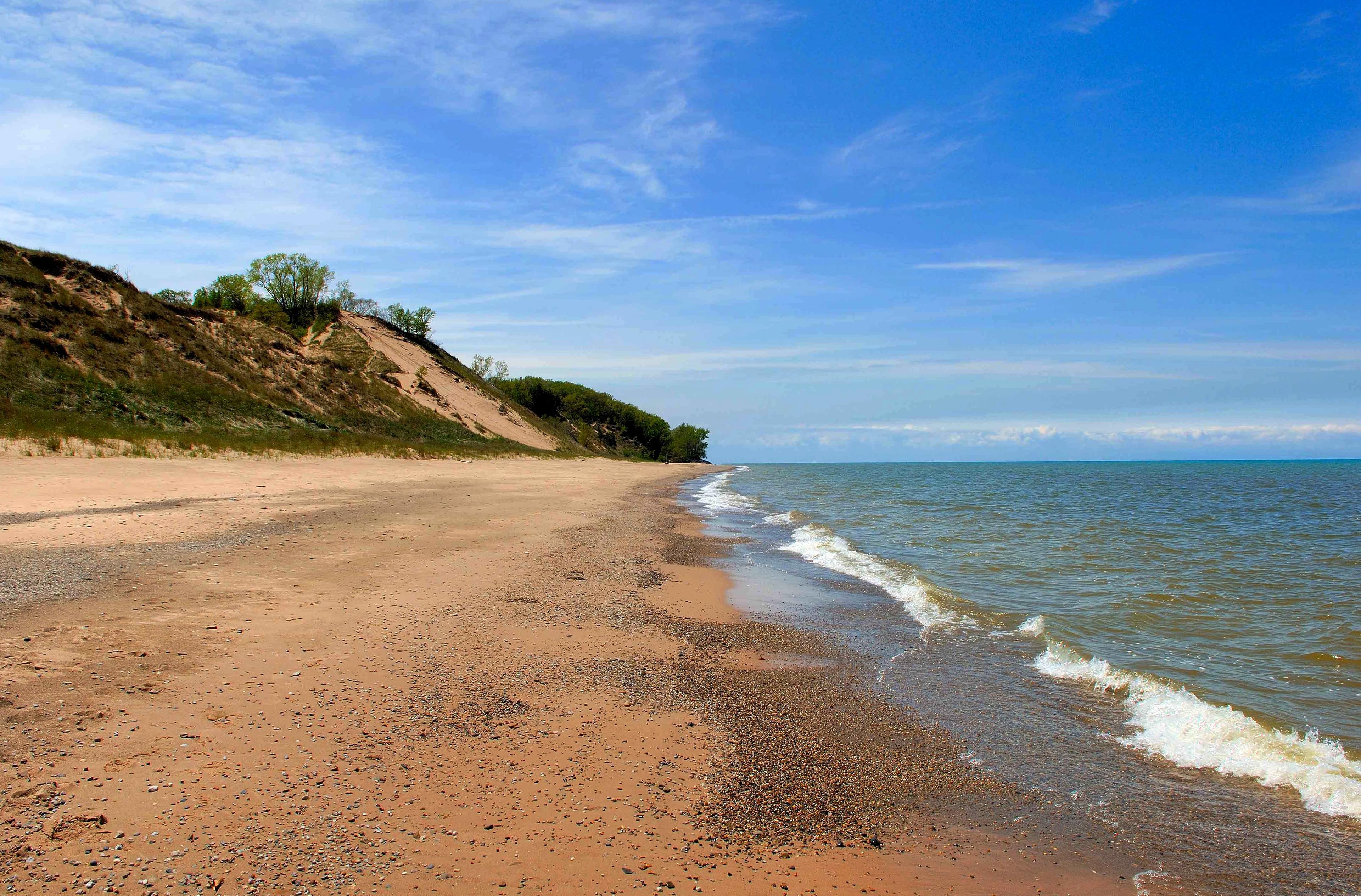
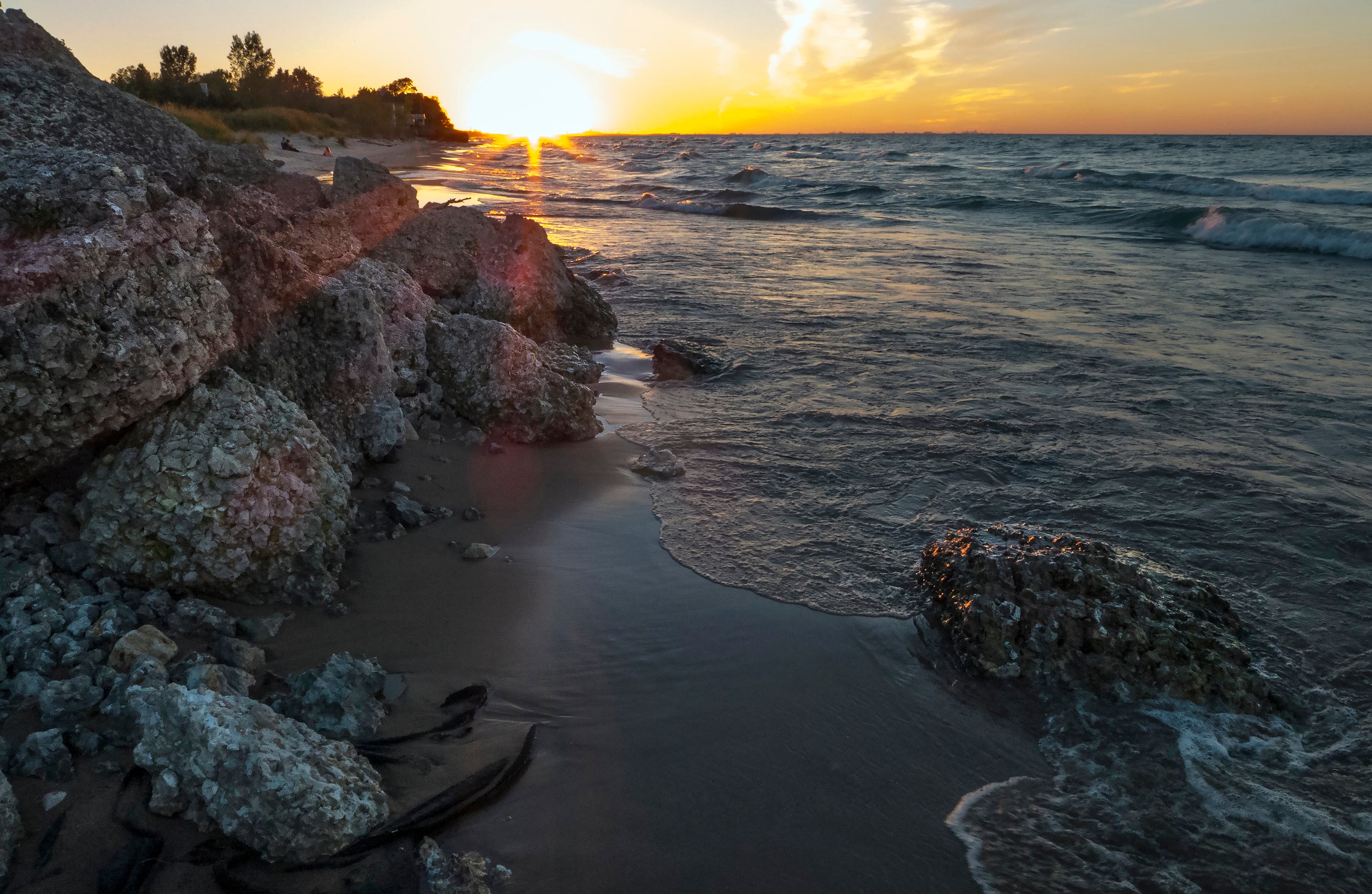
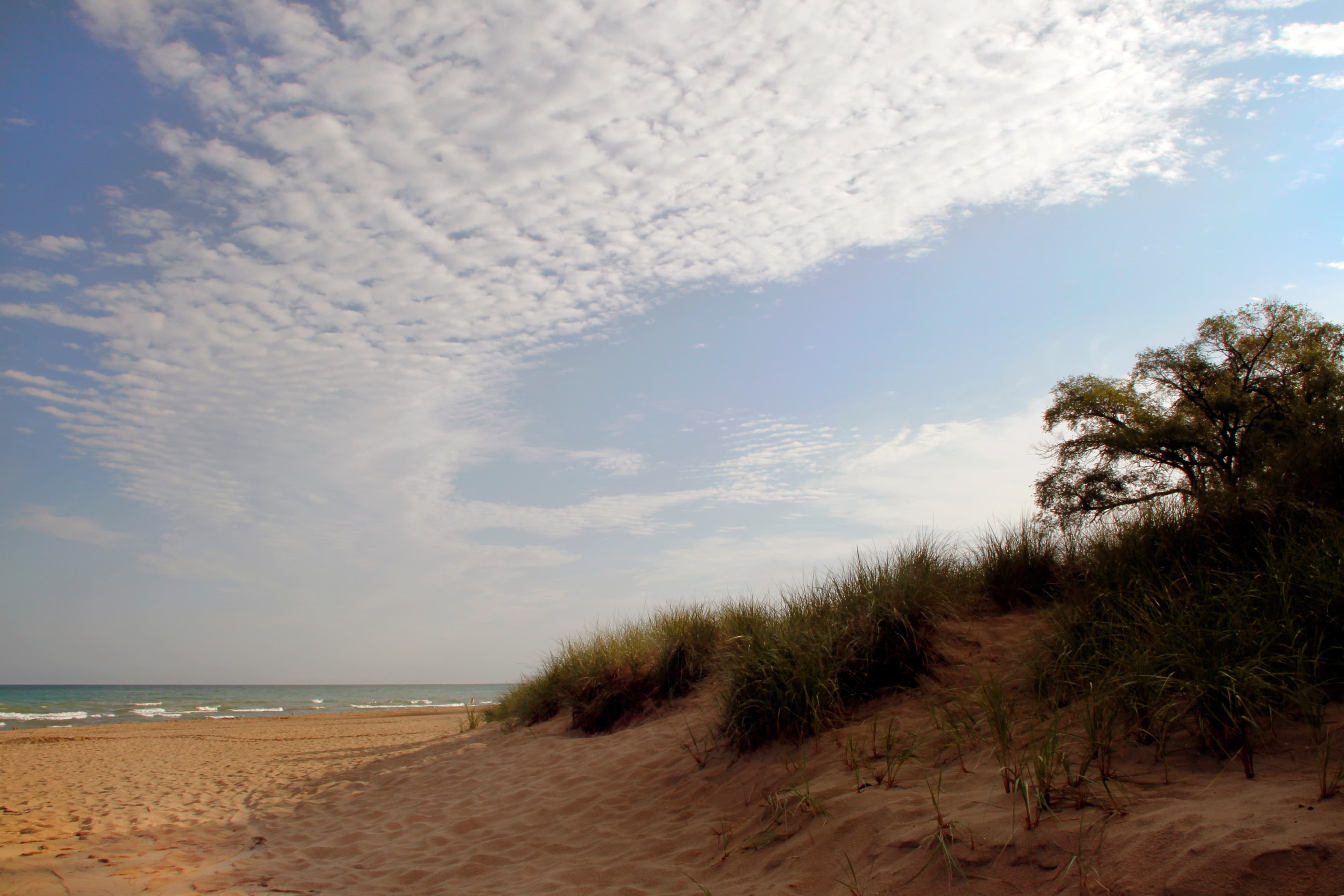
Indiana Dunes National Park protects 15,349 acres along 15 miles of Lake Michigan's southern shoreline in northwest Indiana, barely an hour from downtown Chicago. Despite its small size, the park ranks fourth among all national parks for biodiversity, sheltering 1,418 plant species where arctic bearberry grows alongside desert prickly pear cactus on the same dune slopes.
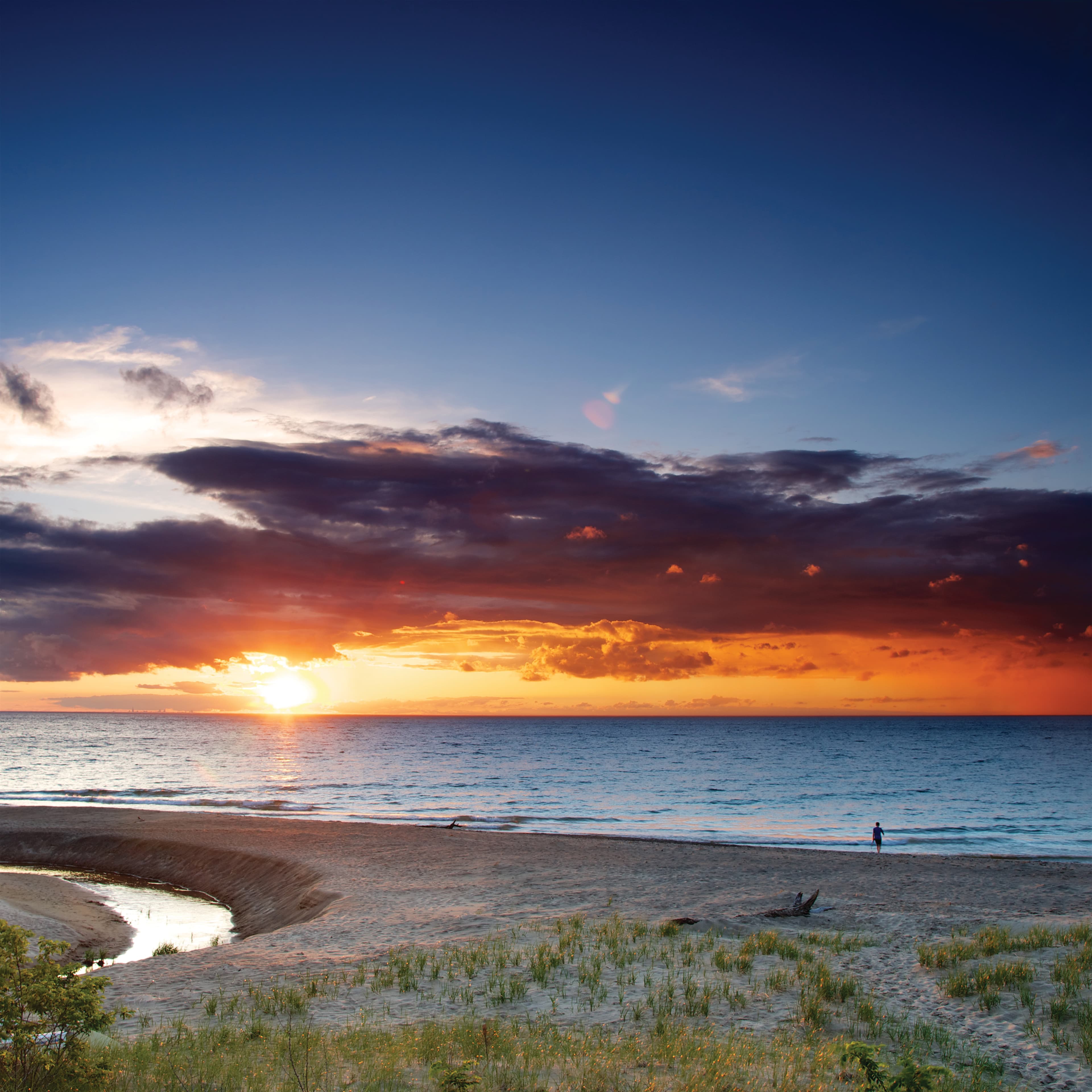
Dunewood Campground is the only campground within the national park, offering 66 sites with no hookups but with potable water, restrooms, and showers. The adjacent Indiana Dunes State Park operates a larger campground with 140 electric sites accommodating RVs up to 55 feet. Lake View Beach sits 1.5 miles north of Dunewood, providing campers with easy access to three miles of public Lake Michigan beach.
The 3 Dune Challenge is the park's signature hike, climbing three successive sand dunes (Mount Jackson, Mount Holden, and Mount Tom) for 552 feet of cumulative elevation gain in just 1.5 miles. Completers earn a free sticker at the visitor center. Beyond the dunes, the park protects bogs, marshes, prairies, oak savannas, and forests that support 370 bird species and 46 mammal species including river otters and bobcats.
Camping Tips for Indiana Dunes
- Reserve Dunewood Campground through Recreation.gov up to six months in advance. The campground operates from April through October and fills on summer weekends when Chicago-area visitors head to the beach.
- Dunewood has no electric, water, or sewer hookups at individual sites, but potable water, showers, and a dump station are available. For electric hookups, book at Indiana Dunes State Park campground (140 sites with 20/30/50 amp electric).
- Lake Michigan water temperature is only swimmable from July through September (73-77 degrees). Earlier in the season, the water is too cold for most people despite warm air temperatures.
- Wind off Lake Michigan can be strong and persistent. Bring quality tent stakes and consider a windbreak. Sand infiltrates everything, so keep tent zippers closed and use dry bags for electronics.
- Dogs on a leash are welcome on all beaches except lifeguarded swim areas and on most trails. Exceptions are Pinhook Bog Trail and Glenwood Dunes Trail System where dogs are not allowed.
RV Parks & Campgrounds Near Indiana Dunes National Park
21.Hickory Hills Campground
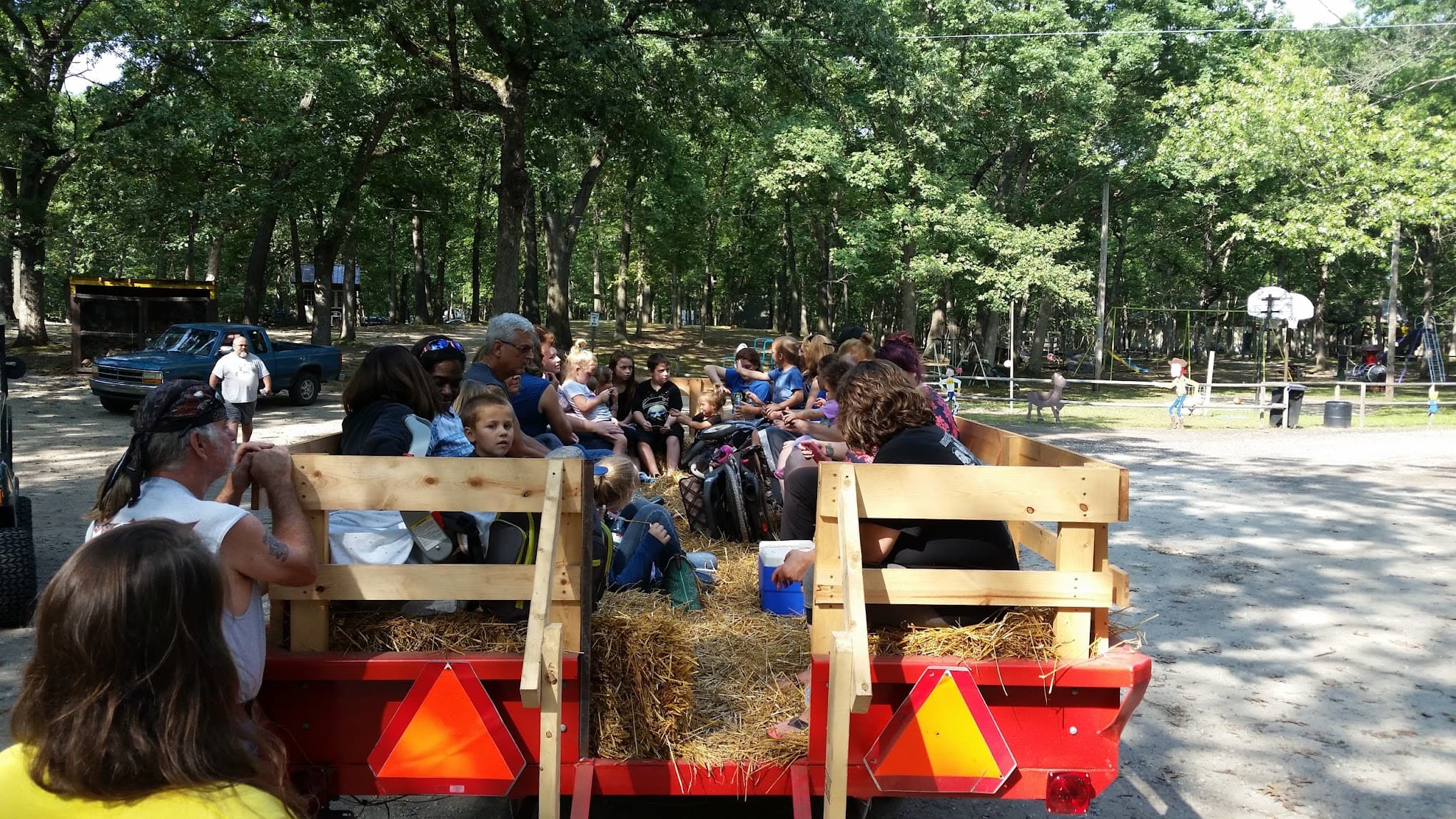
Hickory Hills Campground is a well-rated campground located in Knox, Indiana, offering a welcoming destination for outdoor enthusiasts. With a Google rating of 4.3 out of 5 stars...
Show more
22.Dunbar Group Campsite
Dunbar Group Campsite is not explicitly described on the website. However, based on the Recreation.gov website's general content and the Dunbar Group Campsite's name, it can be...
Show more23.Nissaki Youth Camp Area
Nissaki Youth Camp Area is a primitive campsite located near Indiana Dunes State Park. The campsite is situated on Nissaki Road, with picnic shelters approximately 0.5 miles away....
Show more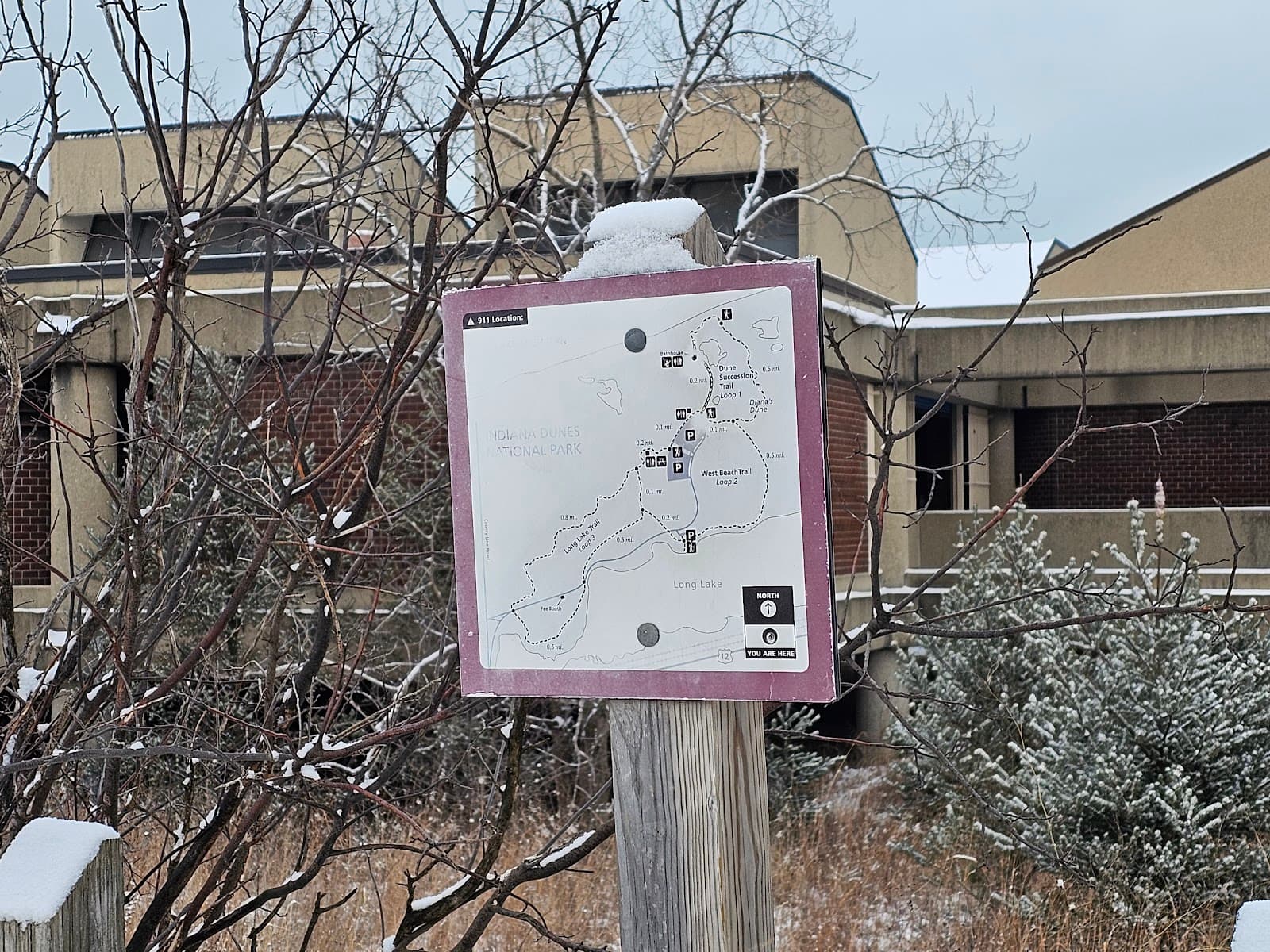
24.West Beach Picnic Shelter
West Beach Picnic Shelter is a highly-rated campground located in Portage, Indiana. This facility offers a convenient destination for outdoor enthusiasts looking to enjoy...
Show more25.Central Avenue Walk-in Campsites
Indiana Dunes National Park hugs 15 miles (24 km) of the southern shore of Lake Michigan and has much to offer. Whether you enjoy scouting for rare species of birds or flying...
Show more26.Warren Dunes Organizational Campground
Warren Dunes Organizational Campground is located in Bridgman, Michigan, offering a camping experience in the heart of dune country. This organizational campground provides a base...
Show more27.Lakeside Campground
Welcome to Lakeside RV Resort, an all-ages, seasonal RV resort in Indiana. Located in the small town of New Carlisle, the resort boasts 91 sites and a long list of attractive...
Show more28.Bo-Mar Mobile Home Park
Bo-Mar Mobile Home Park is a campground located in Otis, Indiana. The park provides accommodations for visitors looking to stay in the area. With a Google rating of 2.7 out of 5...
Show more29.The Camp
The Camp is a campground located in Bridgman, Michigan, offering a convenient base for exploring the southwestern Michigan area. Situated in this charming lakeside community, the...
Show moreShowing 21–29 of 29 campgrounds within 30 miles
Frequently Asked Questions
What campgrounds are at Indiana Dunes?
Dunewood Campground is the only campground within the national park, with 66 sites (54 drive-in, 12 walk-in) at $25 per night. No hookups are available, but the campground has potable water, showers, and a dump station. It operates from April through October with reservations required through Recreation.gov.
Indiana Dunes State Park, located within the national park boundaries, operates a separate 140-site campground with electric hookups (20/30/50 amp) accommodating RVs up to 55 feet at $12 to $40 per night depending on season and residency. The state park charges its own entrance fee ($7 in-state, $12 out-of-state) in addition to the national park fee. Several private RV parks nearby offer full hookups for larger rigs.
How far is Indiana Dunes from Chicago?
Indiana Dunes National Park is approximately 50 to 60 minutes from downtown Chicago by car, making it the closest national park to a major American city after Hot Springs and Cuyahoga Valley. The South Shore Line commuter train also connects Chicago to the park with stops at Dune Park and Beverly Shores.
The proximity to Chicago's metro area of nearly 10 million people drives heavy weekend visitation from late May through Labor Day. Arrive before 10 AM on summer weekends to find parking at popular beach access points. The South Shore Line train is an excellent car-free option, with the Dune Park station a short walk from trails and beach access.
What is the 3 Dune Challenge?
The 3 Dune Challenge is a 1.5-mile trail that climbs three consecutive sand dunes: Mount Jackson (176 feet), Mount Holden (184 feet), and Mount Tom (192 feet, the tallest sand dune in Indiana). The trail gains 552 feet of cumulative elevation and is deceptively strenuous due to deep sand. Completers earn a free sticker at the visitor center.
The challenge is located in Indiana Dunes State Park within the national park boundaries. Despite its short distance, the deep sand makes every step a workout and most hikers take 45 minutes to an hour. The reward at the top of Mount Tom is panoramic views of Lake Michigan, the Chicago skyline, and the surrounding duneland. Bring plenty of water and wear shoes that can handle sand.
Can I swim at Indiana Dunes?
Swimming is available at several Lake Michigan beaches within the park, with three miles of public shoreline. Lake Michigan water temperature is swimmable from July through September when it reaches 73 to 77 degrees. Earlier in the season the water is too cold for most people despite warm air temperatures.
West Beach and the state park beach have lifeguards during summer. Other beaches are unguarded. Lake Michigan currents can be dangerous, with rip currents occurring especially near piers and breakwaters. Check beach condition signs and flags before entering the water. The beaches are sandy and gently sloping, making them family-friendly when conditions are calm.
Can I bring my dog to Indiana Dunes?
Dogs on a leash of six feet or shorter are welcome on all beaches except lifeguarded swim areas and on most trails throughout the park. Dogs are prohibited on Pinhook Bog Trail and Glenwood Dunes Trail System. The park offers a BARK Ranger certification program at the visitor center.
Dogs are allowed at Dunewood Campground and in picnic areas. Beach access with dogs is best at non-lifeguarded stretches where there are fewer restrictions. Bring water for your dog as beach sand and dune hiking can be exhausting in warm weather. Clean up all pet waste and dispose of it in designated receptacles.
What makes Indiana Dunes so biodiverse?
Indiana Dunes ranks fourth among all national parks for biodiversity with 1,418 plant species, 370 bird species, and 46 mammal species. The park sits at a unique geographic crossroads where northern boreal plants, southern prairie species, eastern forest species, and western desert plants all coexist on the varied dune, marsh, bog, and forest habitats.
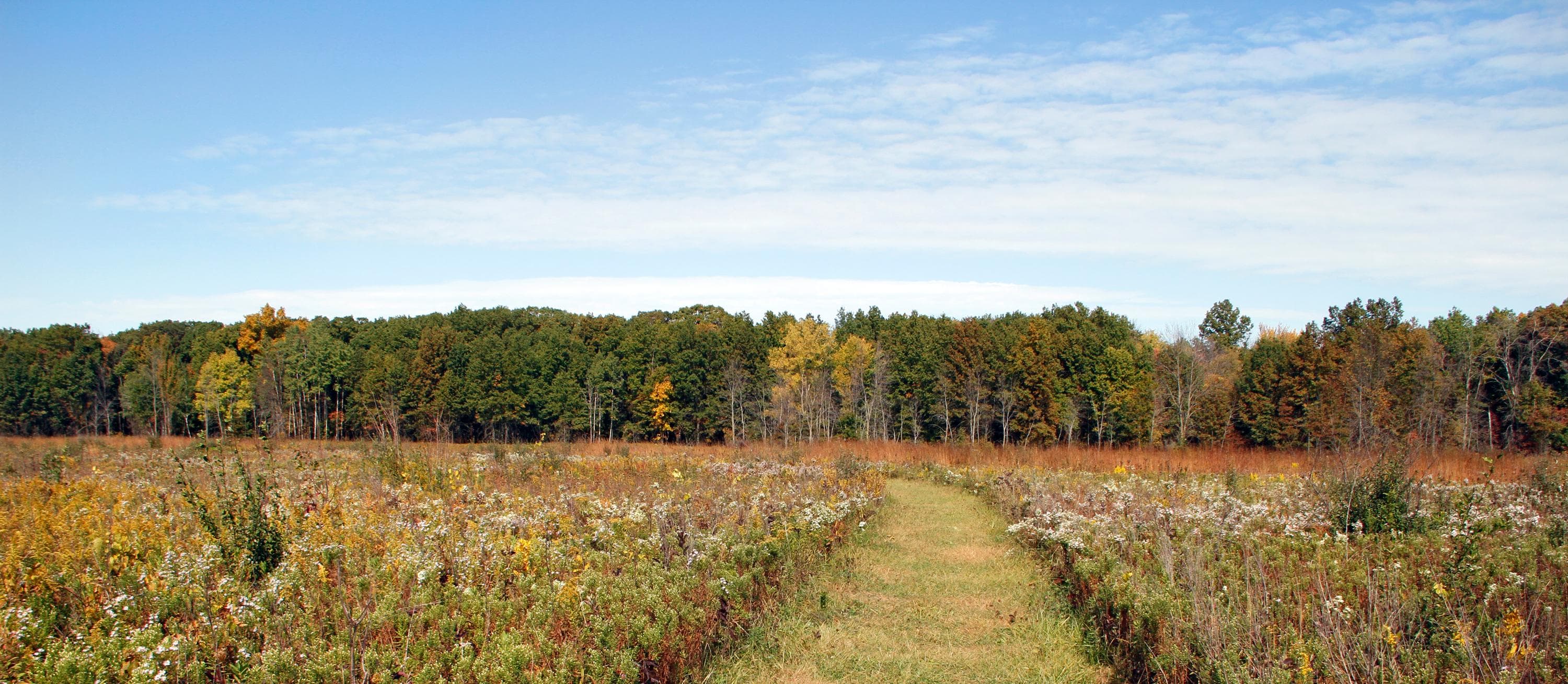
Arctic bearberry and desert prickly pear cactus grow on the same dune slopes, a combination found almost nowhere else. The park protects multiple ecosystems including sandy beaches, shifting dunes, bogs, marshes, oak savannas, and mature forests. Pinhook Bog is one of the southernmost quaking bogs in the country. The spring and fall bird migrations bring hundreds of species through the park's Lake Michigan shoreline corridor.
When is the best time to visit Indiana Dunes?
Late June through August offers the warmest weather and swimmable lake temperatures in the 70s, but also the largest crowds. September is ideal for swimming with smaller crowds after Labor Day. Spring from April through May brings wildflowers and migrating birds with cooler temperatures in the 50s to 60s.
Summer weekends draw heavy crowds from the Chicago metro area, so weekday visits or early morning arrivals are recommended. Fall foliage peaks in October with pleasant hiking weather. Winter is the quietest season with frozen lake scenery and occasional snow-covered dune landscapes. The park is open year-round, though Dunewood Campground closes from November through March.
Is there an entrance fee for Indiana Dunes?
Indiana Dunes National Park charges $25 per vehicle for a seven-day pass. An annual park pass costs $45. The America the Beautiful pass ($80) also covers entry. Note that Indiana Dunes State Park charges a separate entrance fee ($7 in-state, $12 out-of-state) for access to its beach and campground.
The entrance fee was introduced after the park was free for its first several years as a national park. The fee applies at staffed entrance stations. If you plan to visit multiple times, the $45 annual pass pays for itself after two visits. The state park fee is separate and not covered by any national park pass.
Quick Facts
- Entrance Fee
- $25/vehicle (7 days)
- Best Time to Visit
- Late May – September
- Nearest Town
- Porter, IN, Chesterton, IN, Michigan City, IN
- Elevation
- 597 – 771 ft
- Park Size
- 15,349 acres
- Annual Visitors
- ~2.8 million