Camping Near Guadalupe Mountains National Park
Texas | Established 1972
About Guadalupe Mountains National Park
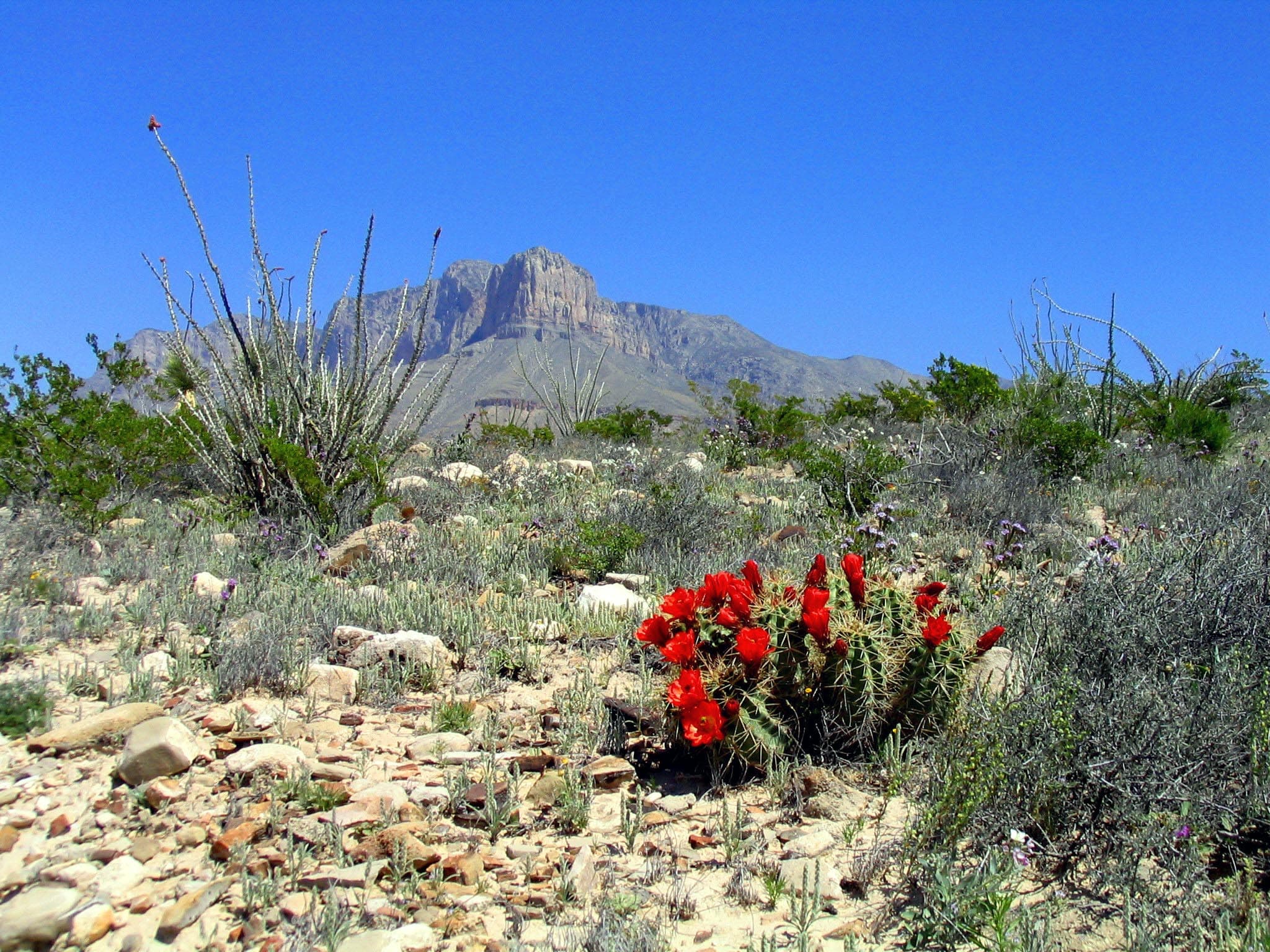
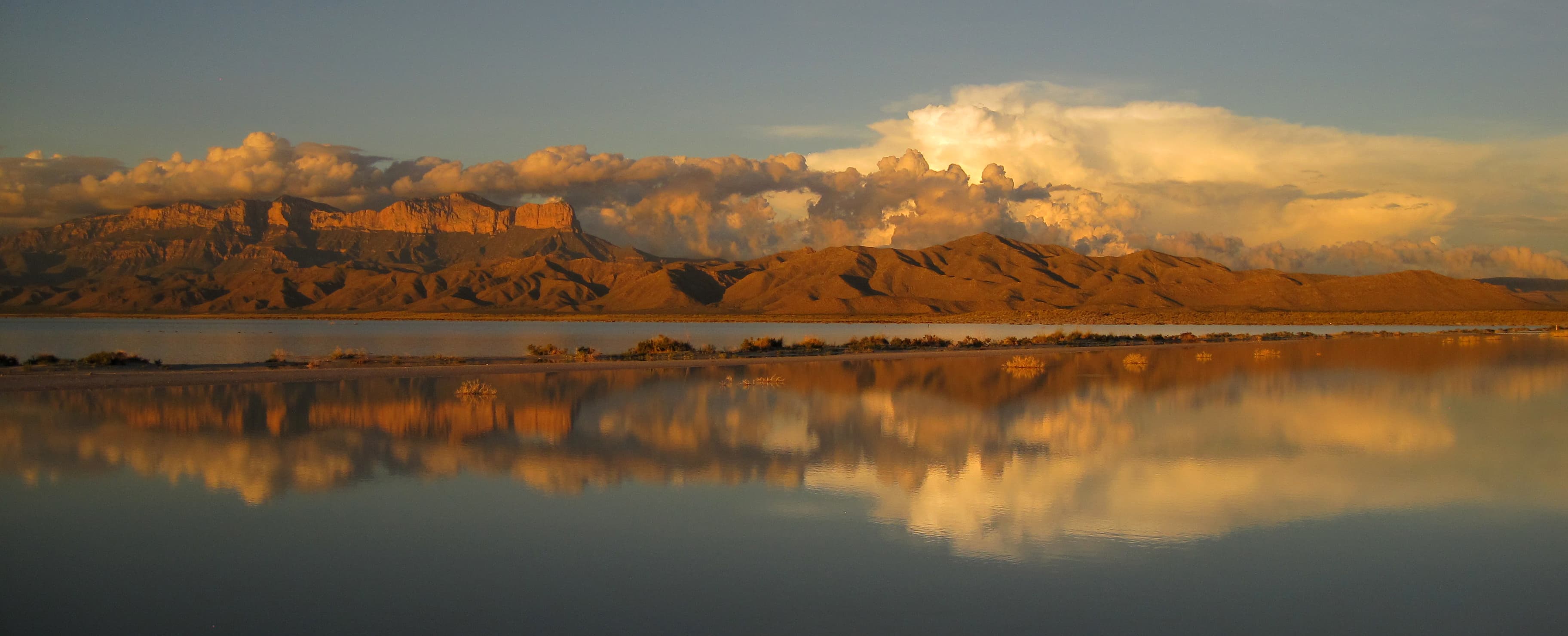
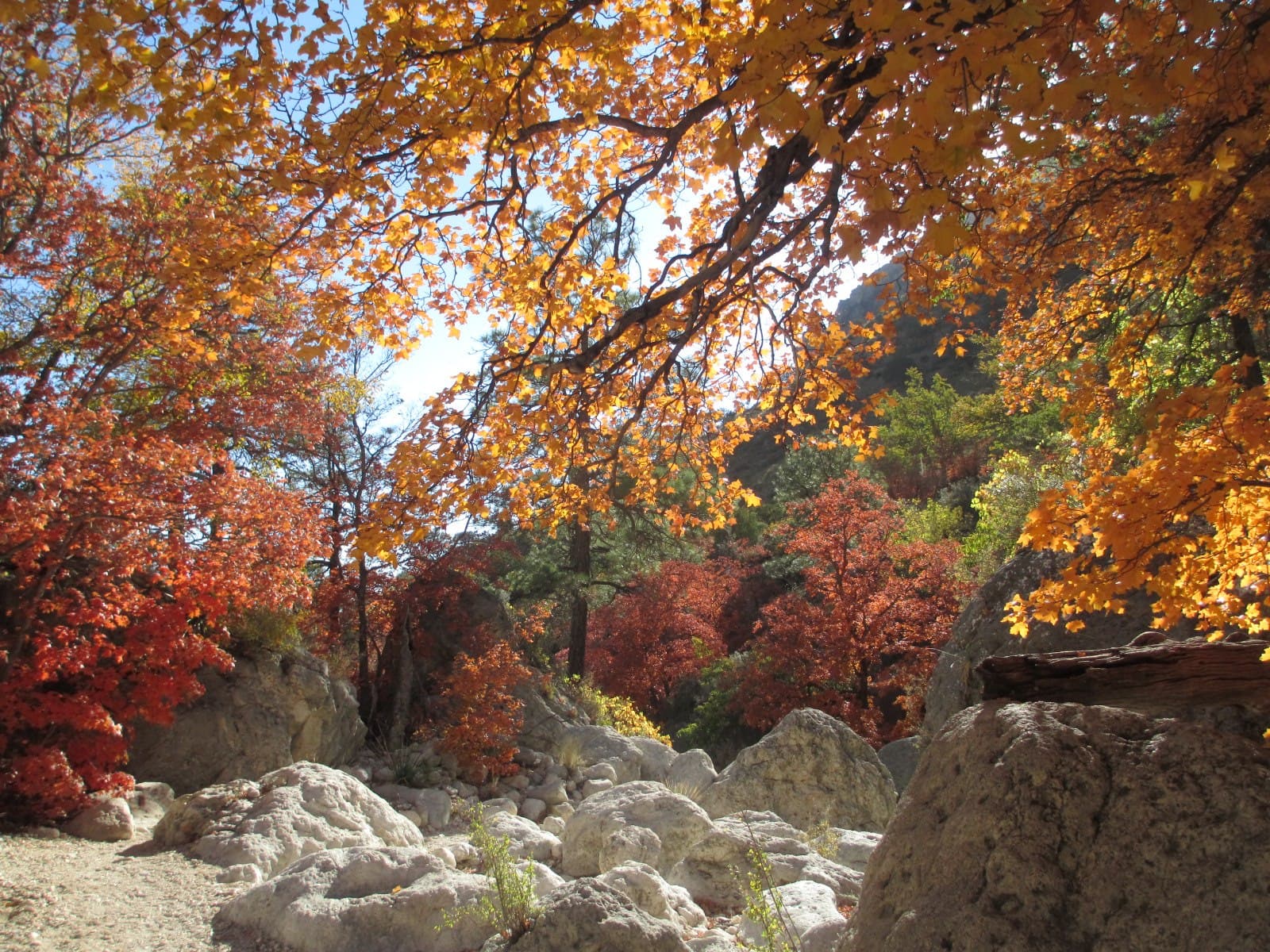
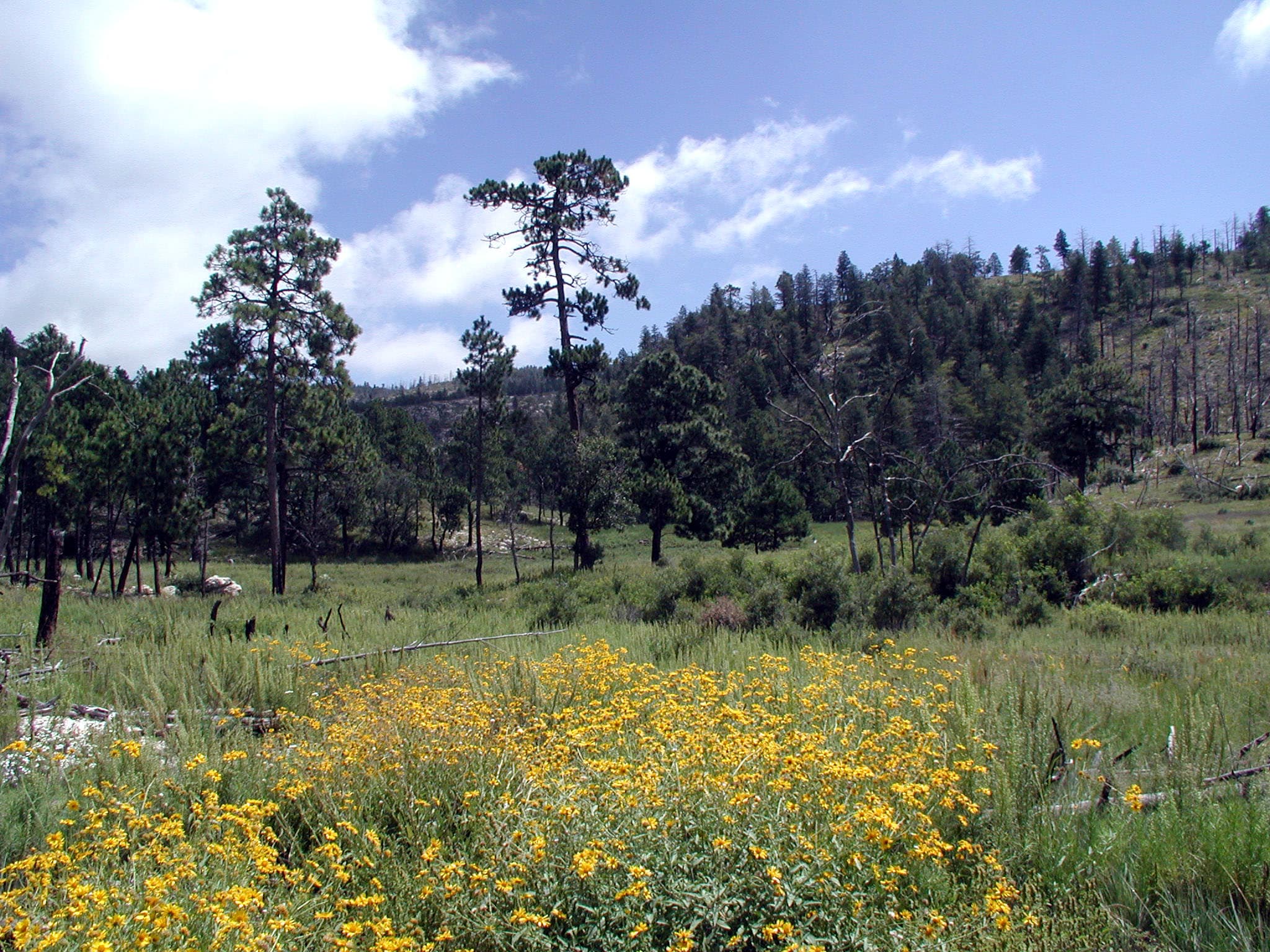
Guadalupe Mountains National Park protects 86,367 acres of Chihuahuan Desert and mountain terrain in far west Texas, including Guadalupe Peak at 8,749 feet, the highest point in the state. The park preserves the Capitan Reef, a 275-million-year-old Permian fossil reef that is the most extensive and best-studied Paleozoic reef complex in the world. McKittrick Canyon draws peak crowds in late October when bigtooth maples, oaks, and ash trees create fall color against grey limestone canyon walls.
Two campgrounds operate year-round: Pine Springs (39 tent sites at $15/night) near the visitor center at 5,730 feet, and Dog Canyon (13 tent sites at $15/night) in a secluded forested canyon at 6,300 feet on the park's north side. Both have vault toilets and water but no hookups, showers, dump stations, or stores. RVs are not accommodated at either campground. Wind is the defining camping challenge here, with sustained speeds exceeding 40 mph and gusts reaching 70 mph common year-round. Carlsbad, New Mexico (55 miles north) and Van Horn, Texas (60 miles south) are the nearest supply towns.
Camping Tips for Guadalupe Mountains
- Reserve Pine Springs or Dog Canyon on recreation.gov well ahead for October through November peak season. Fall foliage in McKittrick Canyon draws the largest crowds, and campgrounds fill on weekends. Weekday visits guarantee better parking and quieter trails.
- Secure everything against extreme wind. Sustained winds of 40 mph and gusts over 70 mph are common. Use all tent stake points, add guylines, weight down gear, and position your tent's narrow end into the prevailing west wind.
- Carry a minimum of one gallon of water per person daily for any hike. No water is available on trails, and the desert climate causes rapid dehydration. The Guadalupe Peak trail (8.4 miles roundtrip, 3,000 feet gain) requires at least two gallons per person.
- Bring layers for dramatic elevation and temperature changes. Desert valley lows reach the 30s at night while daytime highs range from 60 to 90°F depending on season. The summit can be 20°F colder than the trailhead.
- No RVs or trailers are accommodated at park campgrounds. Both Pine Springs and Dog Canyon have tent-only sites. The nearest RV parks are in Carlsbad, NM (55 miles) and Van Horn, TX (60 miles).
RV Parks & Campgrounds Near Guadalupe Mountains National Park
111.Oasis RV
Oasis RV is a campground located in Van Horn, Texas, offering a convenient stop for travelers passing through West Texas. The facility provides RV accommodations in a desert...
Show more
112.Sleepy Grass Picnic Area
Sleepy Grass Picnic Area is a well-regarded campground located in Cloudcroft, New Mexico, offering a peaceful retreat in the scenic Sacramento Mountains. With a strong Google...
Show more
113.Rio RV Park
Rio RV Park is a well-rated RV park located in Carlsbad, New Mexico, offering a convenient base for exploring the area. With a Google rating of 4.1 out of 5 stars from multiple...
Show more114.T9 RV Park
T9 RV Park is a highly-rated RV park located in Balmorhea, Texas, offering a convenient base for exploring West Texas. With an impressive 4.8/5 Google rating from visitors, this...
Show more
115.DMV RV Park
DMV RV Park is located in Pecos, Texas, offering RV camping accommodations in West Texas. With a Google rating of 3.6 out of 5 stars based on 38 reviews, the park provides a...
Show more116.Tower Point RV Park
Tower Point RV Park is a highly-rated RV park located in Carlsbad, New Mexico. With a perfect 5-star Google rating, this park offers a welcoming destination for RV travelers...
Show more117.Keystone Mobile Home Park
Keystone Mobile Home Park is a campground located in Hesperia, California, offering a convenient base for exploring the High Desert region. With a solid 4.2-star rating from 19...
Show more
118.Lower Karr Canyon Campground
The Lincoln National Forest is a diverse and scenic destination in southern New Mexico, offering a wide range of recreational opportunities for visitors of all interests and...
Show more119.Frijole Horse Campground
Frijole Horse Campground is located in Guadalupe Mountains National Park. The campground offers horse camping facilities, including corrals and hitching posts. Visitors can enjoy...
Show more
120.1MA RV Park Farm Park & Leasing
1MA RV Park Farm Park & Leasing is an RV park located in Carlsbad, New Mexico, offering accommodations for travelers and those seeking extended stays in the area. The park...
Show moreShowing 111–120 of 148 campgrounds within 75 miles
Frequently Asked Questions
How difficult is the Guadalupe Peak trail?
The Guadalupe Peak Trail is strenuous: 8.4 miles roundtrip with 3,000 feet of elevation gain, from 5,730 to 8,749 feet. Most hikers need six to eight hours. The trail passes through pinyon pine and Douglas fir forest before reaching the exposed summit marked by a stainless steel pyramid placed by American Airlines.
Start before dawn to avoid afternoon heat and wind exposure on the upper ridge. Bring at least two gallons of water per person, sunscreen, a hat with neck protection, and layers for the 20°F temperature drop between trailhead and summit. The final mile is the most exposed section with steep switchbacks. Thunderstorms develop quickly in summer afternoons, making the summit dangerous. The summit view encompasses El Capitan's dramatic cliff face, the Chihuahuan Desert floor, and the Salt Basin to the west.
When is McKittrick Canyon best for fall color?
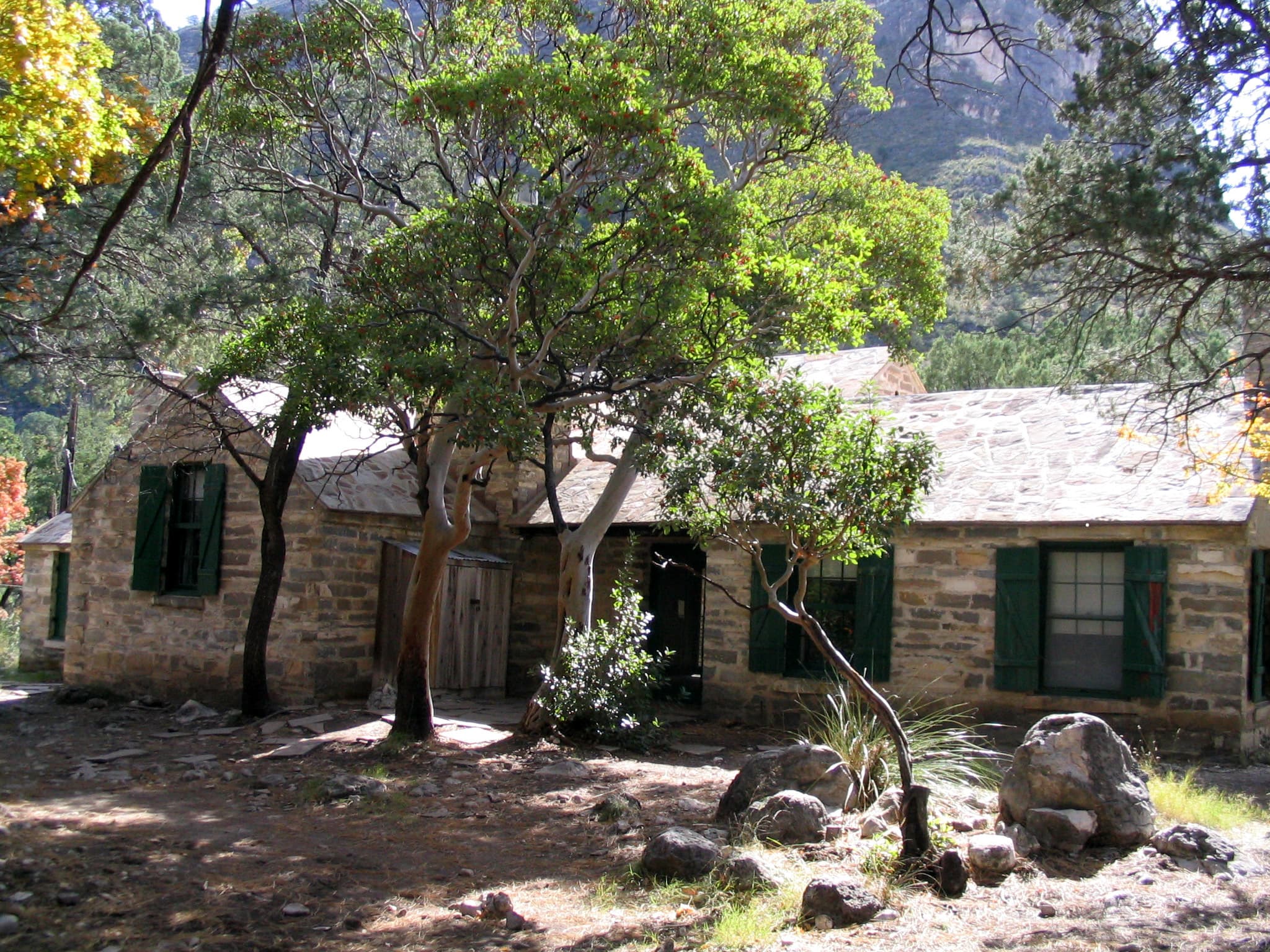
Late October through early November brings peak fall foliage in McKittrick Canyon, with bigtooth maples, chinkapin oaks, and velvet ash trees turning vivid red, orange, and gold against grey limestone walls. The 4.8-mile one-way trail to the Grotto is the classic fall color hike, passing Pratt Cabin at 2.3 miles.
McKittrick Canyon parking fills by 9 a.m. on peak fall weekends. Arrive early or visit on weekdays for the best experience. The canyon has a separate entrance from Pine Springs, accessible via Highway 62/180. Color timing varies by year depending on rainfall and early frost. The park website and social media post fall color updates. The Notch trail (3 miles beyond Pratt Cabin) offers elevated views of the canyon but adds significant distance and elevation to the hike.
What makes the wind so extreme at Guadalupe Mountains?
The park sits at the junction of the Chihuahuan Desert and the southern Rocky Mountains, creating a natural wind tunnel through mountain passes. Sustained winds of 40 mph are routine, with gusts exceeding 70 mph during spring storms. Wind is strongest from March through May but occurs year-round at higher elevations.
Wind affects every aspect of camping and hiking. Tents require full staking with guylines. Cooking with a camp stove requires a windscreen or sheltered location. Dust and sand blow through Pine Springs Campground on windy days. Dog Canyon at 6,300 feet offers more wind protection due to its canyon location and tree cover. Check weather forecasts before planning exposed ridge hikes. On extreme wind days, consider lower-elevation alternatives like the Smith Spring Trail or the Pinery Trail.
What are the campground facilities?
Pine Springs has 39 tent-only sites at $15/night with vault toilets, potable water, picnic tables, and a nearby visitor center. Dog Canyon has 13 tent-only sites at $15/night with similar basic facilities. Neither campground has hookups, showers, dump stations, stores, or cell service. Both are reservation-only through recreation.gov.
Sites are small and close together at Pine Springs, with limited wind protection. Dog Canyon is more private with tree cover and canyon walls providing shelter. Dog Canyon requires driving around the park's north side, about 110 miles from Pine Springs. Neither campground accommodates RVs or trailers. Backcountry camping requires a free permit from the visitor center with designated sites along major trails. The nearest showers and supplies are in Carlsbad (55 miles) or Van Horn (60 miles).
Can I combine Guadalupe Mountains with nearby parks?
Yes. Carlsbad Caverns National Park is 40 miles northeast and shares the same Guadalupe Mountain range, making a combined trip natural. White Sands National Park is 115 miles northwest. Lincoln National Forest surrounds much of the area with additional campgrounds offering Forest Service sites with more amenities.
A common itinerary combines Guadalupe Mountains and Carlsbad Caverns in three to four days, camping at Pine Springs and visiting the caverns as a day trip. The two parks share Highway 62/180. Add White Sands for a five-day loop through southern New Mexico. El Paso (110 miles west) is the nearest major airport. Lincoln National Forest campgrounds near Cloudcroft (100 miles northwest) offer developed sites with trees and cooler mountain temperatures as an alternative base.
Is there cell service in the park?
Cell service is extremely limited or nonexistent throughout the park, including at both campgrounds. Some carriers pick up a weak signal at Pine Springs near the visitor center, but Dog Canyon has no coverage at all. Download offline maps, trail guides, and emergency contacts before arriving.
The park's remote location in far west Texas means no nearby cell towers provide reliable coverage. Wi-Fi is not available anywhere in the park. The visitor center has a landline phone for emergencies. Satellite communicators (inReach, SPOT) work throughout the park for backcountry safety. Carlsbad and Van Horn both have full cell service for trip planning and supply runs. The isolation is part of the experience but requires advance preparation for navigation and safety.
What wildlife should I watch for?
Mule deer are common at both campgrounds, especially at dawn and dusk. Black bears occasionally pass through higher elevations. Mountain lions inhabit remote canyons but are rarely seen. Javelinas (collared peccaries) forage in groups near desert scrub. Rattlesnakes are present in rocky areas below 6,000 feet from April through October.
Store all food in vehicles since no bear boxes are provided at campgrounds. Javelinas are generally not aggressive but should not be approached or fed. Rattlesnakes are most active in warm weather and rest in shade under rocks. Watch where you place your hands and feet on rocky trails. The park supports over 280 bird species, making it an excellent birding destination. Elk reintroduced to the Guadalupe Mountains may occasionally be spotted in the Dog Canyon area.
What is the Permian fossil reef and can I see fossils?
The Guadalupe Mountains consist of the Capitan Reef, a 275-million-year-old fossil reef complex formed when an ancient tropical sea covered the region. The reef preserves over 500 species of ancient marine life including sponges, corals, brachiopods, and crinoids. Exposed fossils are visible along many trails embedded in the limestone rock.
The Capitan Reef is considered the most extensively studied Paleozoic reef system in the world. Geologists and paleontology students visit from around the globe. The McKittrick Canyon trail passes through particularly fossil-rich limestone layers. El Capitan, the park's iconic 8,085-foot cliff face, is the exposed edge of the reef. Collecting or disturbing fossils is prohibited by federal law. The visitor center has excellent exhibits explaining the reef's formation and the ancient sea that created it.
Quick Facts
- Entrance Fee
- $10/person (7 days)
- Best Time to Visit
- October – November
- Nearest Town
- Carlsbad, NM, Van Horn, TX, El Paso, TX
- Elevation
- 3,650 – 8,749 ft
- Park Size
- 86,367 acres
- Annual Visitors
- ~0.6 million