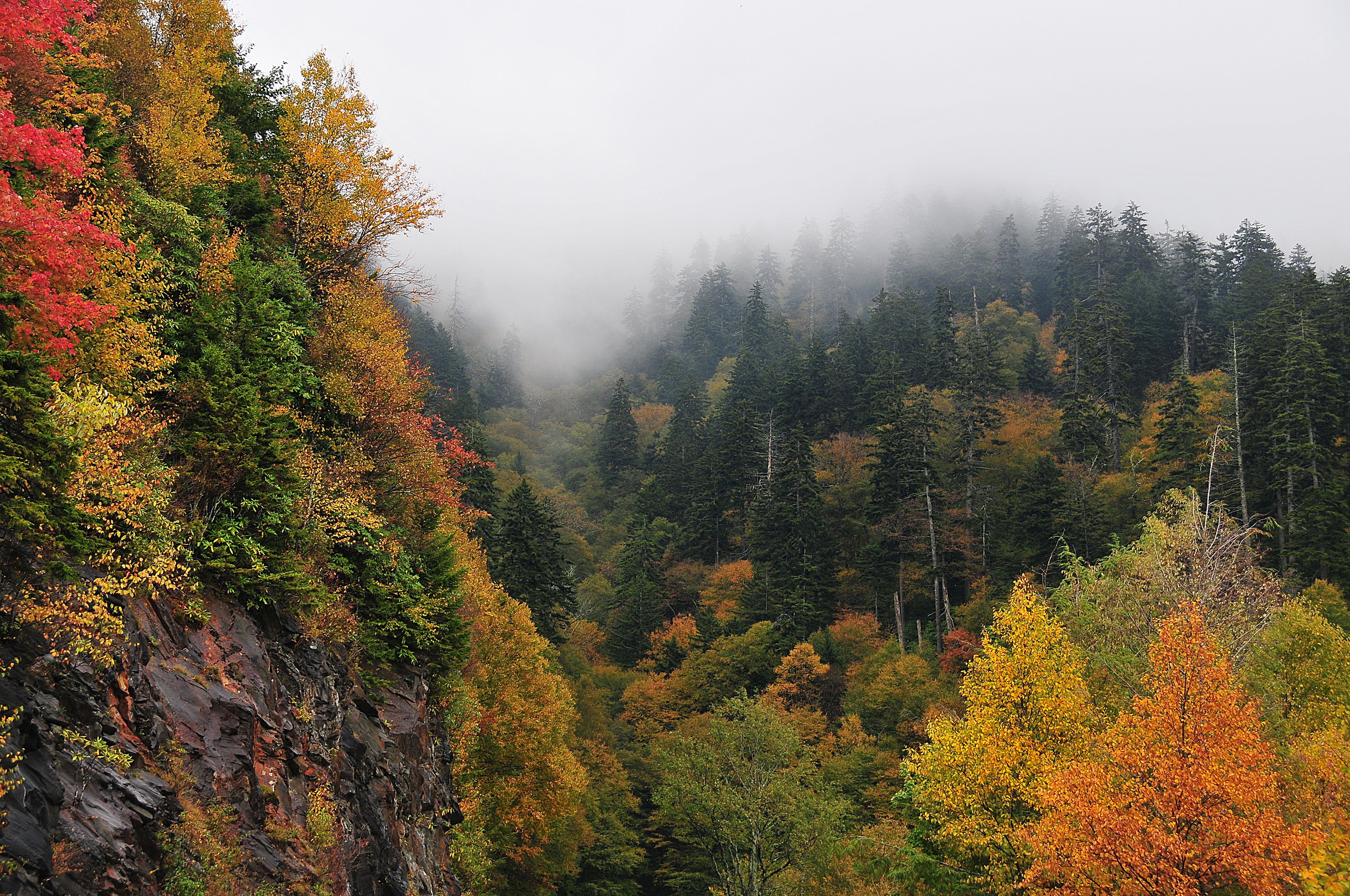
Camping Near Great Smoky Mountains National Park
Tennessee, North Carolina | Established 1934
About Great Smoky Mountains National Park
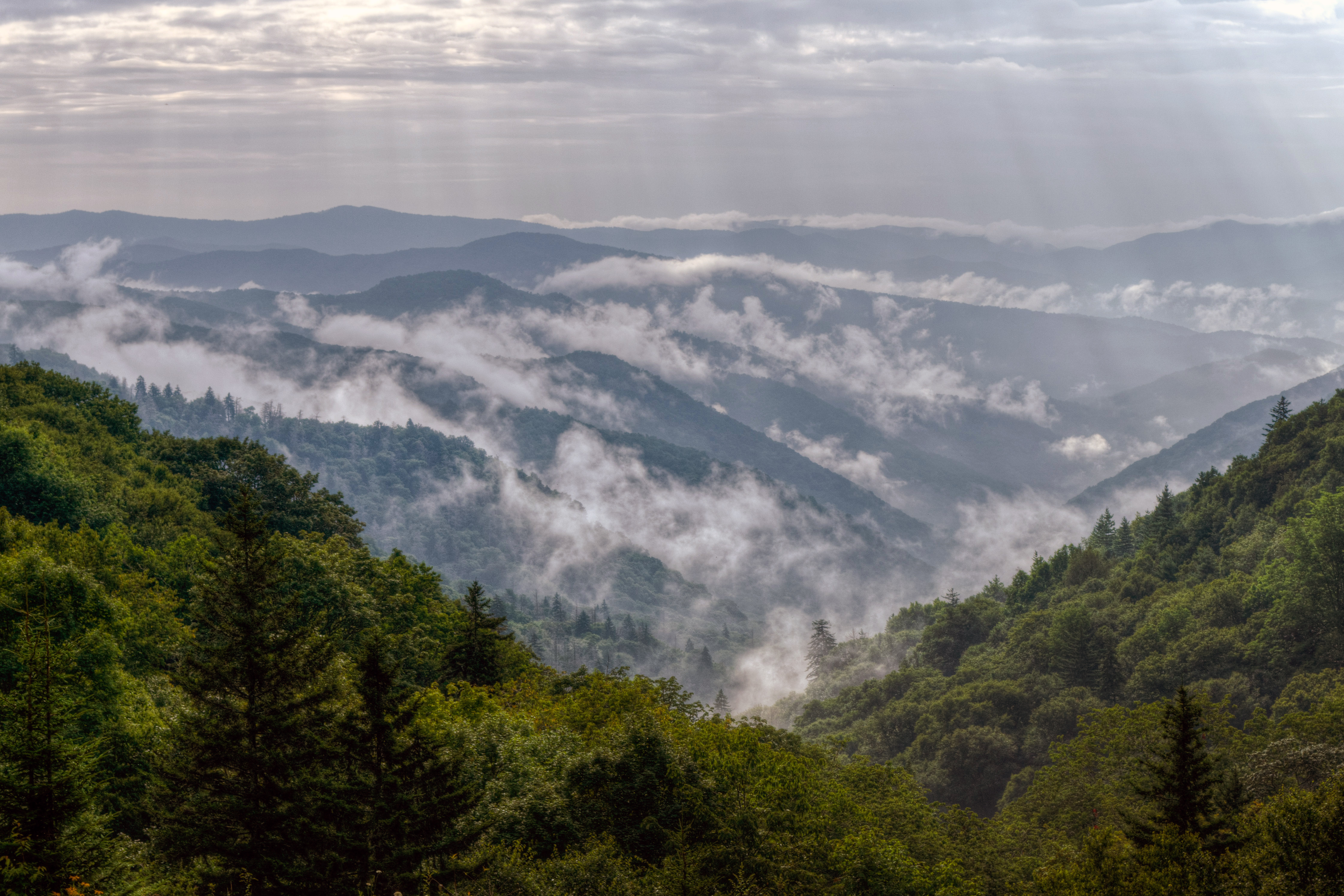
Great Smoky Mountains National Park spans over 522,000 acres across the Tennessee-North Carolina border. The park protects the largest remaining block of old-growth forest in the eastern U.S. and is home to roughly 2,000 black bears. Elevations range from 875 feet to 6,643 feet at Clingmans Dome, the highest point in Tennessee.
The park operates 10 frontcountry campgrounds with no hookups, showers, or electric service at any site. Cades Cove and Smokemont are open year-round. Elkmont is the largest campground with over 200 sites. Fees range from $17.50 to $27 per night. Gatlinburg, Pigeon Forge, and Cherokee sit at the park's main entrances and have dozens of private campgrounds with full amenities.
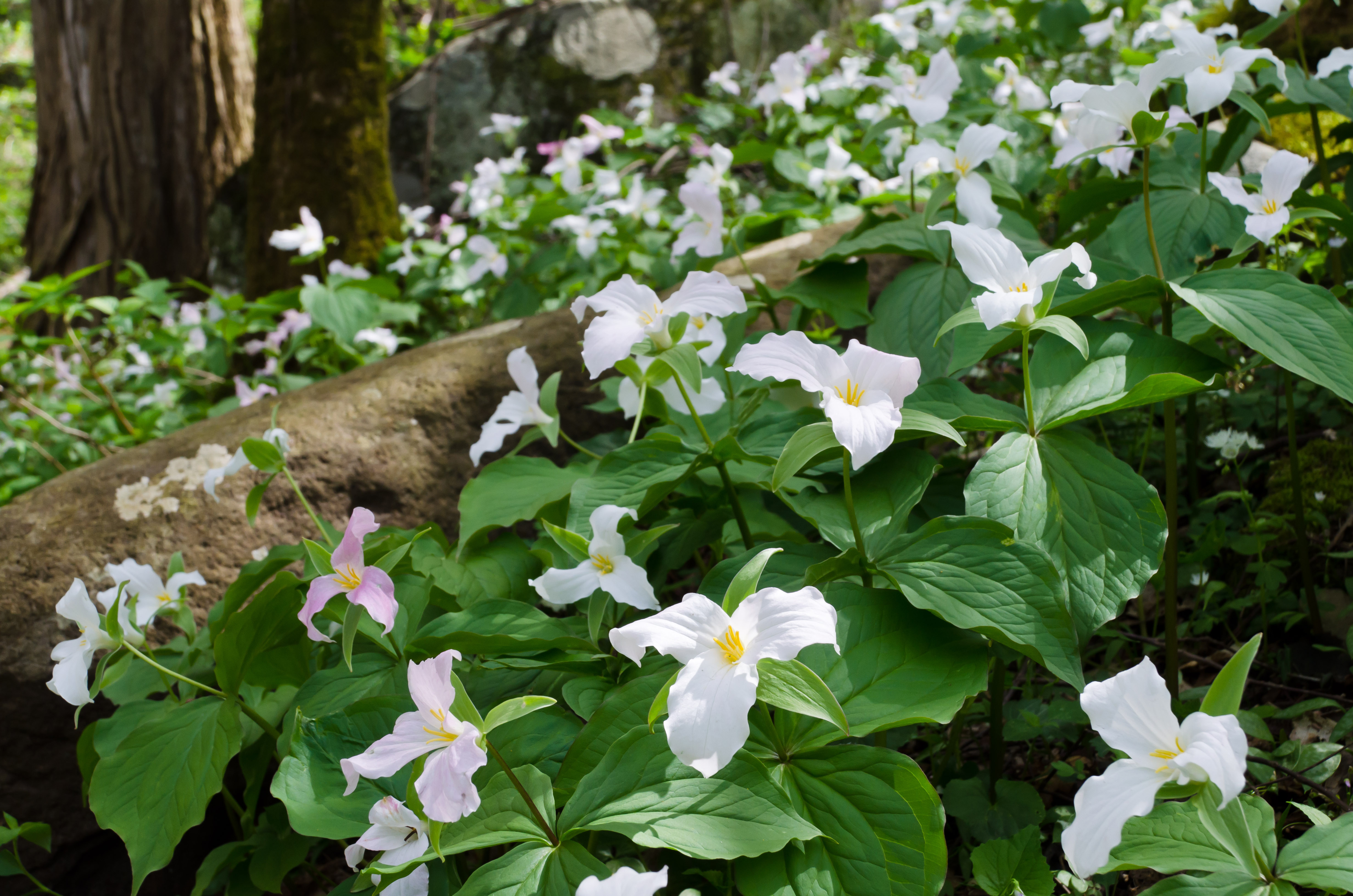
Fall foliage draws the biggest crowds from mid-October through early November. Spring wildflowers peak in April and May. Summer is warm and rainy with frequent afternoon thunderstorms. Unlike most national parks, Great Smoky Mountains charges no entrance fee, though a parking tag is required ($5 daily, $15 weekly).
Camping Tips for Great Smoky Mountains
- The park has roughly 2,000 black bears. Store all food and coolers in a locked vehicle, never in a tent. Approaching bears closer than 150 feet is illegal.
- No campground has hookups, showers, or electric. The nearest showers and dump stations are in gateway towns. Plan accordingly for longer stays.
- Reserve Cades Cove, Elkmont, and Smokemont on Recreation.gov. Summer and fall weekends sell out months ahead.
- Rain is common year-round in this temperate rainforest. Bring rain gear and a tarp for your campsite regardless of the forecast.
- Drive Cades Cove Loop Road at dawn for the best wildlife viewing. The 11-mile one-way loop passes through meadows where deer, bears, turkeys, and coyotes are common.
RV Parks & Campgrounds Near Great Smoky Mountains National Park

461.Backcountry Campsite #93
The Great Smoky Mountains National Park is a UNESCO World Heritage Site and a popular destination for outdoor enthusiasts. The park offers a wide range of activities, including...
Show more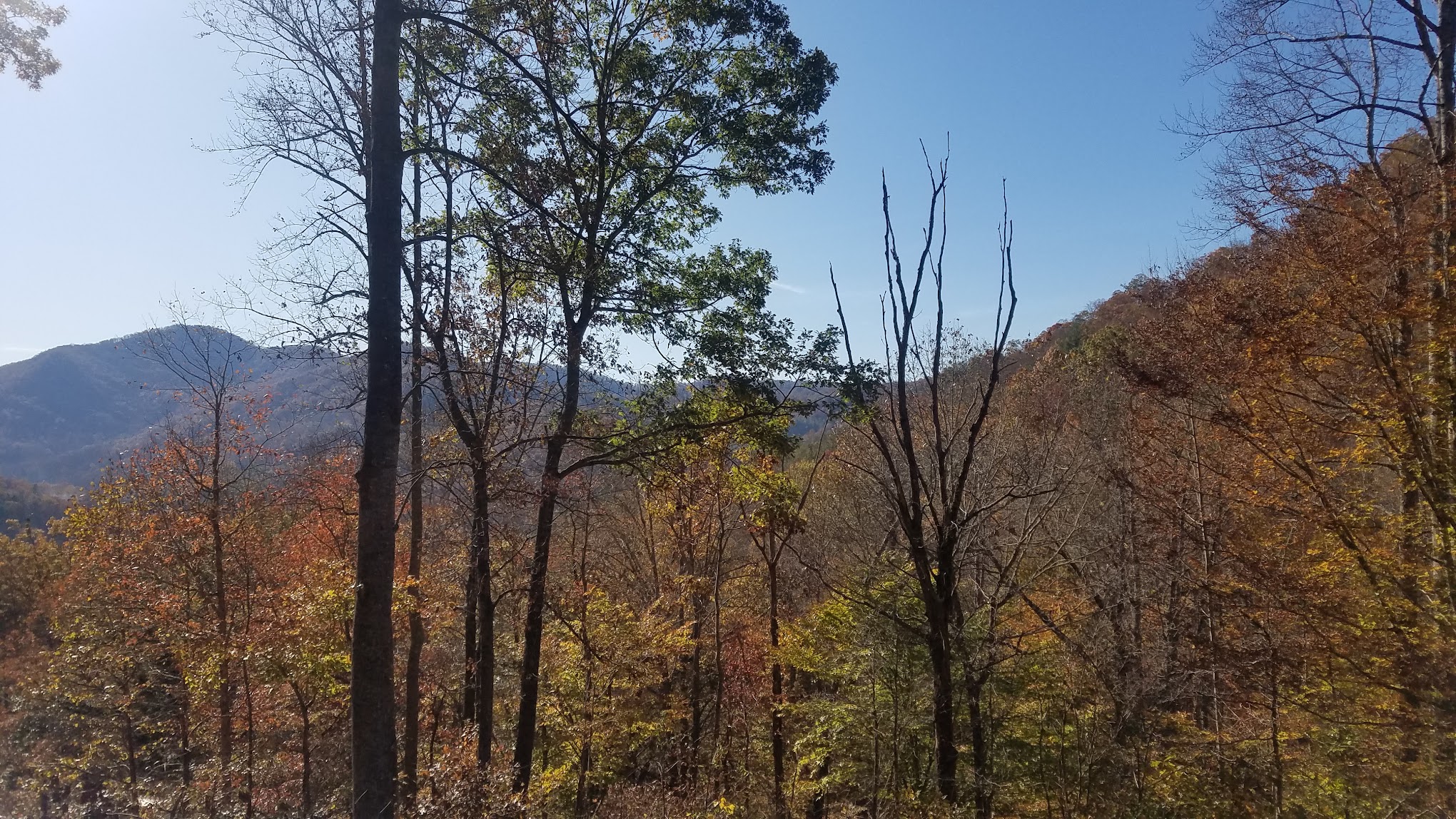
462.SouthPaw RV Sites
SouthPaw RV Sites is a well-rated campground located in Franklin, North Carolina, offering a convenient base for exploring the area. With a solid 4.5-star Google rating from...
Show more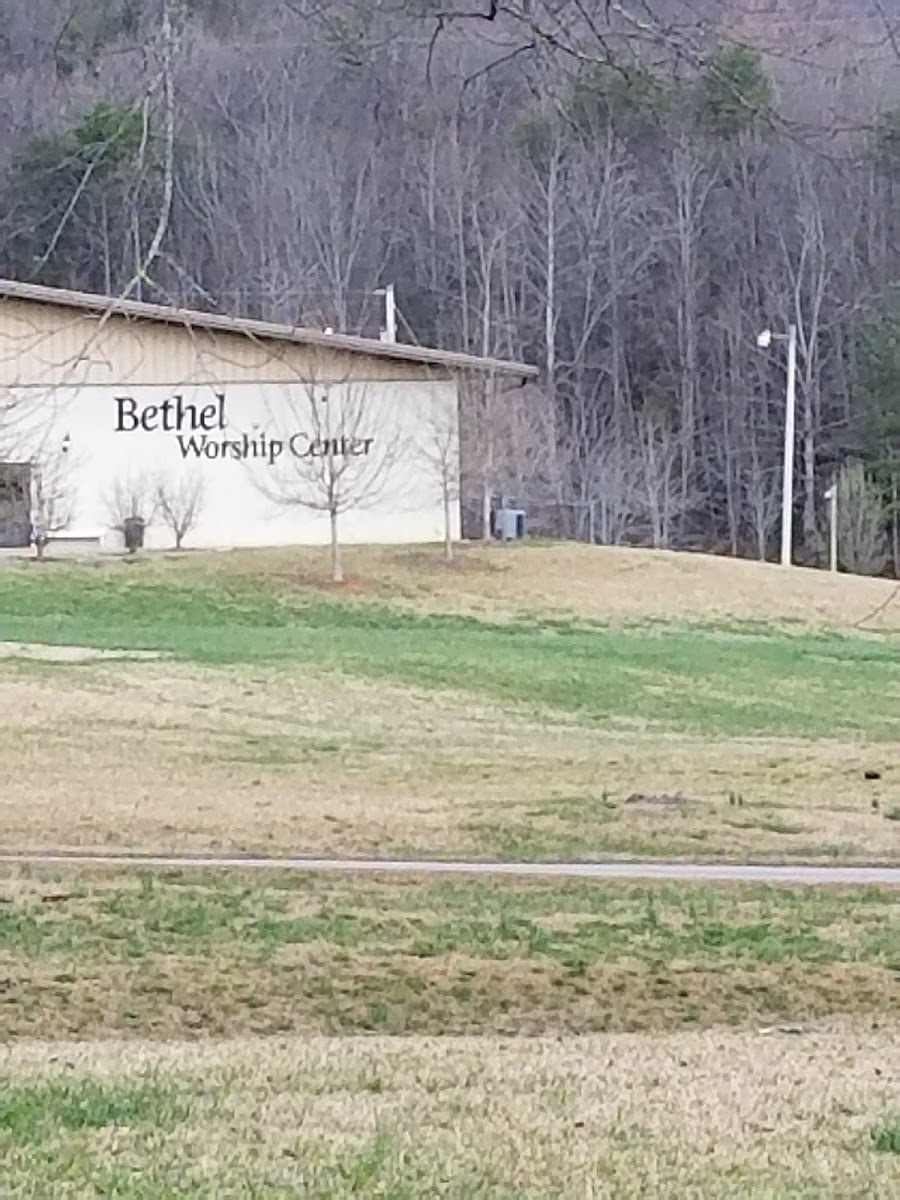
463.Legacy Family Camp
Legacy Family Camp is a campground located in Pickens, South Carolina, offering a welcoming destination for families and outdoor enthusiasts. With a Google rating of 4.3 out of 5...
Show more464.Weavers Bend
Weavers Bend is a highly-rated campground located in Del Rio, Tennessee, offering a welcoming destination for outdoor enthusiasts. With an impressive Google rating of 4.7 out of 5...
Show more465.Sims Point
Sims Point is a highly-rated campground located in Sevierville, Tennessee, earning an impressive 4.9 out of 5 stars from 26 reviews. Situated in the scenic foothills of East...
Show more466.Trails End Campground
Trails End Campground is a highly-rated campground located in Bean Station, Tennessee. With a perfect 5-star Google rating, this destination offers a welcoming experience for...
Show more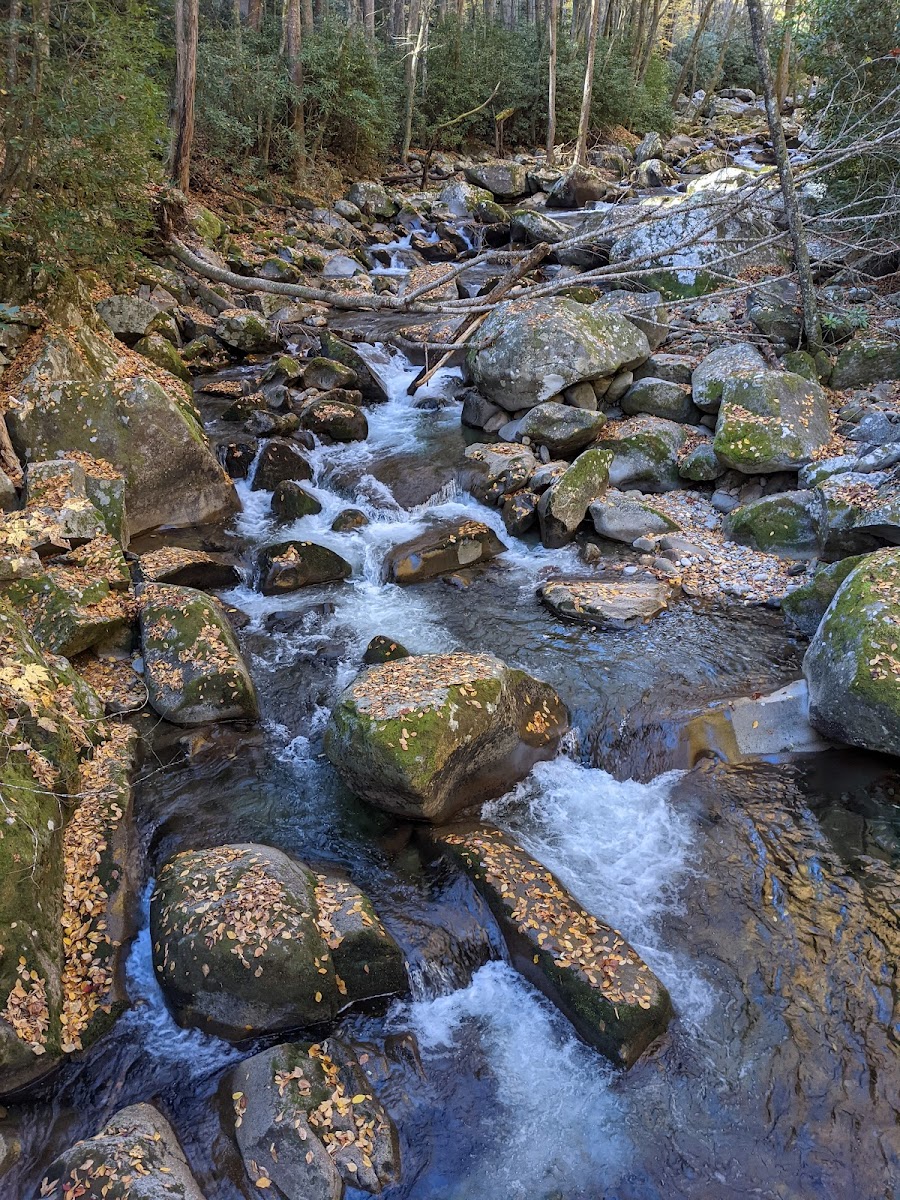
467.Lower Walnut Bottom Campsite 37
Lower Walnut Bottom Campsite 37 is a well-regarded campground located in Waynesville, North Carolina. With a solid 4.5-star rating based on 15 reviews, this destination offers a...
Show more468.Lake Chatuge RV Park
Lake Chatuge RV Park is a highly-rated RV park located in Hayesville, North Carolina, offering a scenic destination for outdoor enthusiasts. Situated near the beautiful Lake...
Show more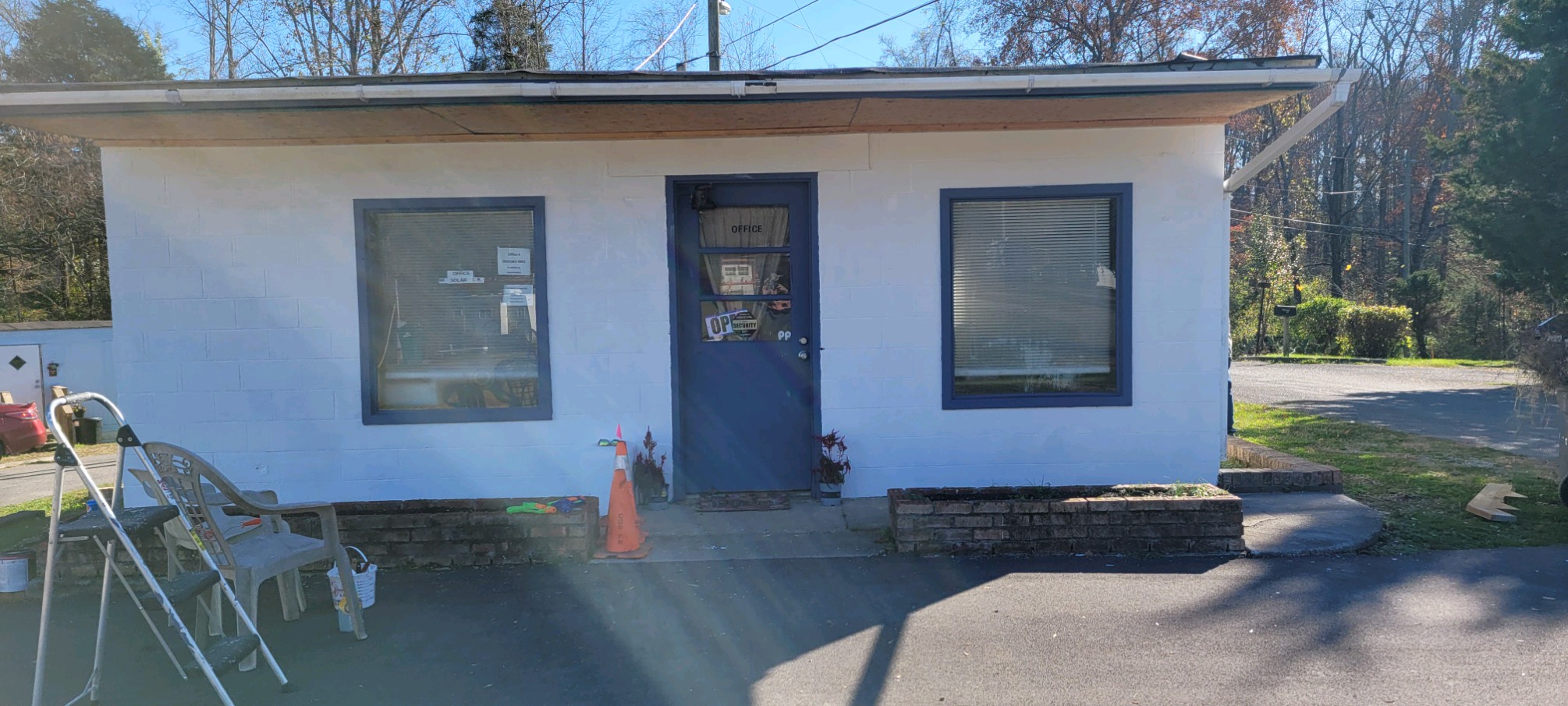
469.Hidden Ridge Mobile Home Park
Hidden Ridge Mobile Home Park is a campground located in Powell, Tennessee, offering accommodations for mobile home enthusiasts. With a Google rating of 3.7 out of 5 stars based...
Show more470.Backcountry Campsite #29
The Great Smoky Mountains National Park offers a wide range of activities and attractions for visitors. The park is home to over 800 miles of hiking trails, including a section of...
Show moreShowing 461–470 of 621 campgrounds within 50 miles
Frequently Asked Questions
How much does it cost to camp near Great Smoky Mountains?
NPS campgrounds inside the park cost $17.50 to $27 per night depending on the campground and site type. No entrance fee is charged, but a parking tag is required ($5 daily, $15 weekly, $40 annual). No campground in the park has hookups, showers, or electric service.
Elkmont, Cades Cove, Smokemont, Cosby, and Cataloochee all take reservations on Recreation.gov. Several smaller campgrounds are first-come-first-served. Private campgrounds in Gatlinburg, Pigeon Forge, and Cherokee range from $30 to $80 per night with full hookups, pools, and showers. Townsend on the park's western side tends to be less crowded and more affordable.
When is the best time to camp at Great Smoky Mountains?
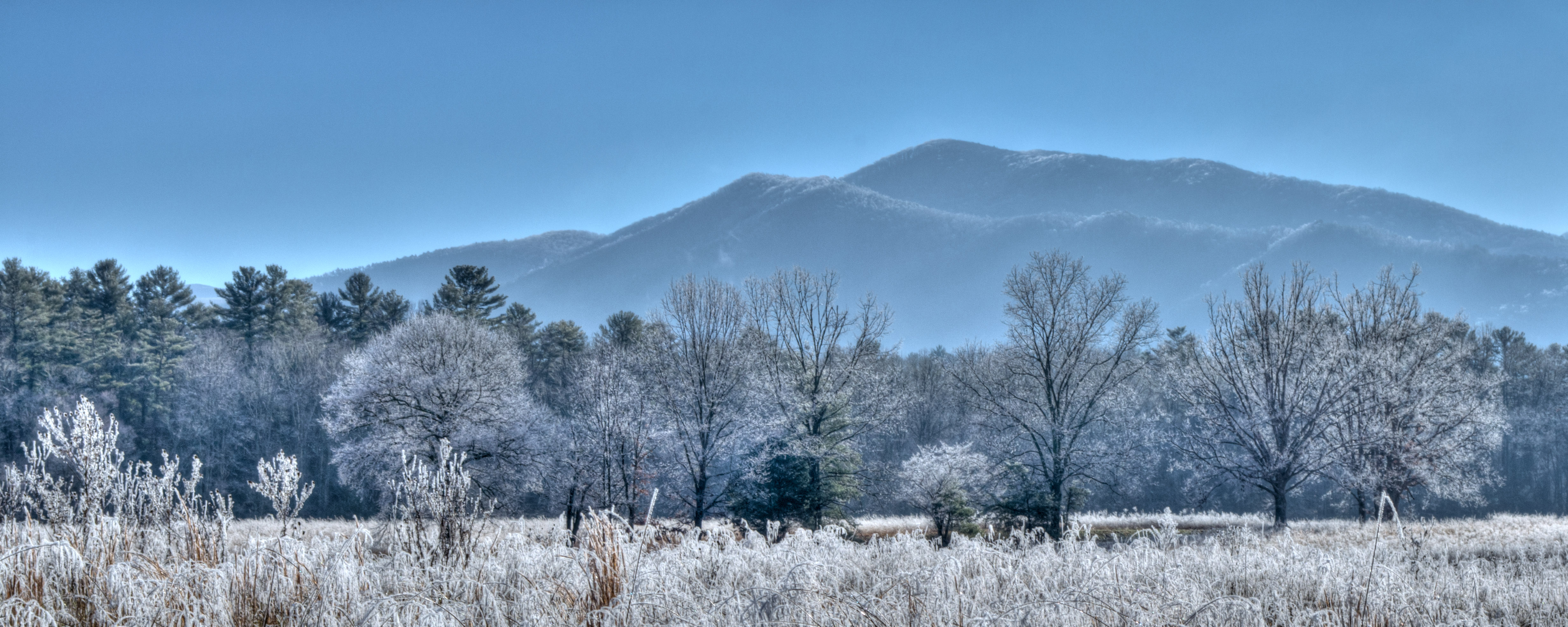
Spring (April through May) brings wildflowers and moderate temperatures. Summer is warm with frequent afternoon thunderstorms. Fall foliage from mid-October through early November is the most popular season. Winter camping is possible at Cades Cove and Smokemont, with fewer crowds and mild daytime temperatures in the 40s to 50s°F.
The park receives about 55 inches of rain annually at lower elevations and up to 85 inches at higher elevations. Synchronous firefly displays in Elkmont draw lottery-selected crowds in late May to early June. Late September through mid-October is peak fall color at higher elevations, while lower elevations peak later in October. Clingmans Dome Road closes from December through March.
How do I reserve a campsite at Great Smoky Mountains?
Cades Cove, Elkmont, Smokemont, Cosby, and Cataloochee campgrounds take reservations through Recreation.gov. Reservations open six months before your arrival date. Summer weekends and all of October sell out quickly. Several smaller campgrounds are first-come-first-served only.
Cancellations create regular openings, so check Recreation.gov frequently if your preferred dates are full. The maximum stay is 14 consecutive days, and 30 days total per year at developed campgrounds. Cataloochee is the most remote and least crowded reservable campground, accessible via a gravel road. Backcountry camping requires a separate permit and reservation.
Are black bears dangerous at Great Smoky Mountains?
The park is home to roughly 2,000 black bears, about two per square mile. Bears are generally not aggressive toward humans, but they can become dangerous when habituated to food. It is illegal to approach a bear closer than 150 feet. If a bear approaches you, make loud noises and back away slowly.
Bear-related campground closures happen several times per season. Store all food, coolers, trash, and scented items in a locked vehicle with windows closed. Never leave food on picnic tables unattended. If you encounter a bear on a trail, do not run. Make yourself appear large and make noise. The park issues fines up to $5,000 for feeding bears or improper food storage. Bears are most active at dawn, dusk, and overnight.
Can I camp with an RV at Great Smoky Mountains?
Several campgrounds accept RVs, but none have hookups. Cades Cove, Elkmont, and Smokemont accommodate RVs of various lengths depending on the specific site. Check individual site descriptions on Recreation.gov for driveway length and slope before booking. A dump station is located near Sugarlands Visitor Center.
Roads to some campgrounds have tight turns and low clearance that limit large RVs. Cataloochee requires driving on a narrow gravel road not recommended for large rigs. Generators are allowed during limited daytime hours at most campgrounds. For full hookups and amenities, private RV parks in Gatlinburg, Pigeon Forge, and Townsend are your closest options. Many offer shuttle service to the park.
Can I bring my dog camping at Great Smoky Mountains?
Dogs are allowed in campgrounds, picnic areas, and along park roads. Only two trails permit dogs: the Gatlinburg Trail (1.9 miles from Sugarlands Visitor Center to Gatlinburg) and the Oconaluftee River Trail (1.5 miles from Oconaluftee Visitor Center to Cherokee). Leashes of six feet or shorter are required at all times.
Dogs are not permitted on any other park trail, and the 800-plus miles of hiking trails are off-limits. This restriction protects both wildlife and pets from bear encounters. Pet boarding and doggy daycare are available in Gatlinburg and Pigeon Forge. The towns also have dog-friendly walking paths outside the park boundary. Service dogs are permitted on all trails.
Do I need a parking tag for Great Smoky Mountains?
A parking tag is required for all vehicles parked within the park. Daily tags cost $5, weekly tags cost $15, and annual tags cost $40. The America the Beautiful annual pass ($80) also covers parking. Great Smoky Mountains is the only major national park that does not charge an entrance fee, a condition of the original land donation from Tennessee.
Parking tags can be purchased online at Recreation.gov or at self-service kiosks at popular trailheads and visitor centers. The parking tag is per vehicle, not per person. Cades Cove Loop Road and popular trailheads like Alum Cave and Laurel Falls fill parking lots early on weekends, sometimes by 8 AM. Consider arriving before 8 AM or after 4 PM to find parking during peak season.
What are the top attractions near Great Smoky Mountains campgrounds?
Cades Cove Campground is at the start of the 11-mile Cades Cove Loop Road, famous for wildlife and historic cabins. Elkmont Campground has access to Laurel Falls, one of the park's most popular 2.6-mile round-trip hikes. Smokemont Campground on the North Carolina side connects to trails leading to high-elevation spruce-fir forests.
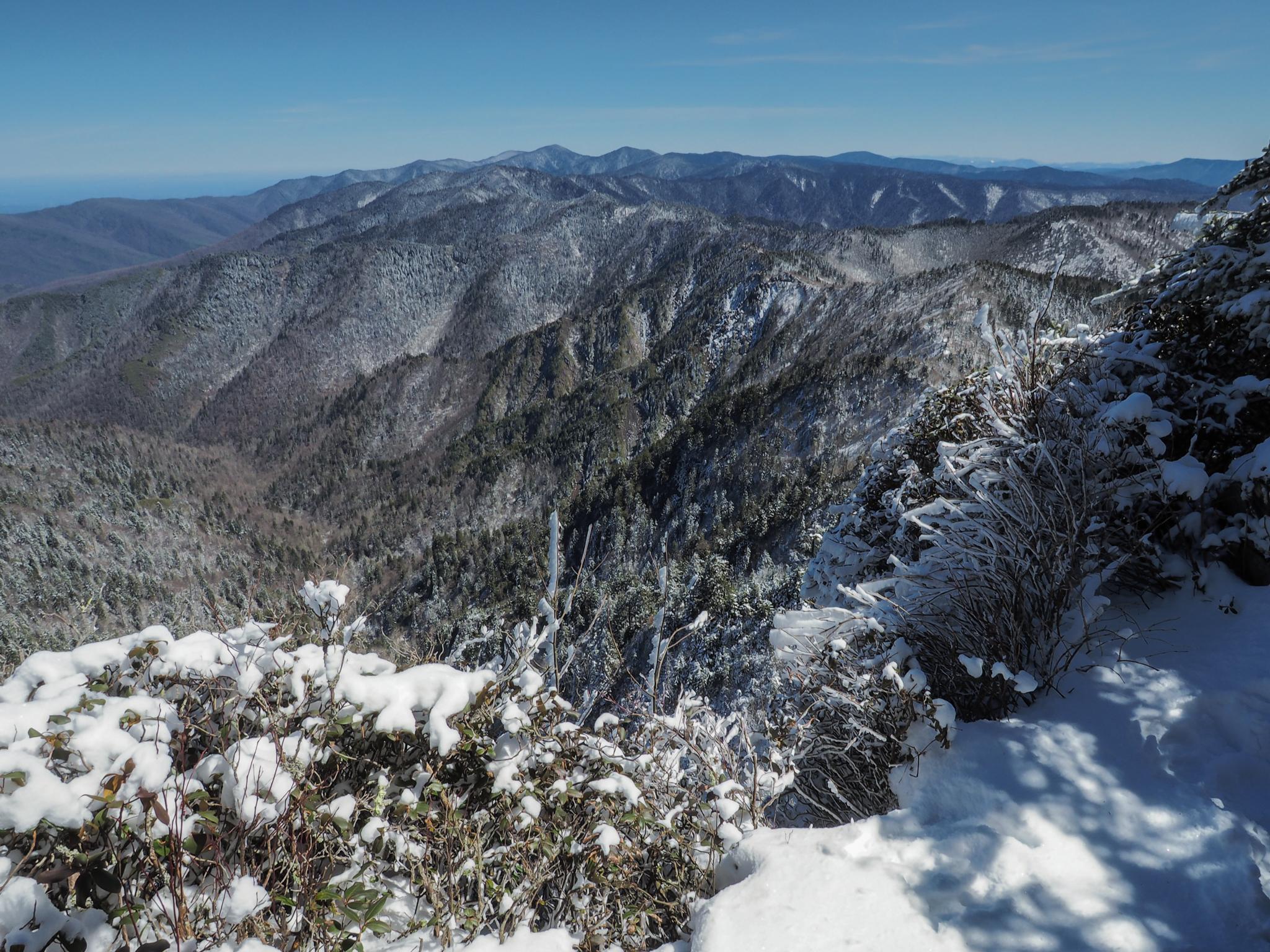
Clingmans Dome, the park's highest point at 6,643 feet, has a paved half-mile trail to an observation tower with panoramic views. The Alum Cave Trail leads to LeConte Lodge, the only lodge in the park, accessible only by hiking. Newfound Gap on the Tennessee-North Carolina border is a popular roadside stop along US-441. Cataloochee Valley is the best place to see elk, which were reintroduced to the park.
Quick Facts
- Entrance Fee
- Free (parking tag $5/day)
- Best Time to Visit
- April – October
- Nearest Town
- Gatlinburg, TN, Pigeon Forge, TN, Cherokee, NC, Townsend, TN
- Elevation
- 875 – 6,643 ft
- Park Size
- 522,000 acres
- Annual Visitors
- ~12.1 million