Camping Near Grand Teton National Park
Wyoming | Established 1929
About Grand Teton National Park
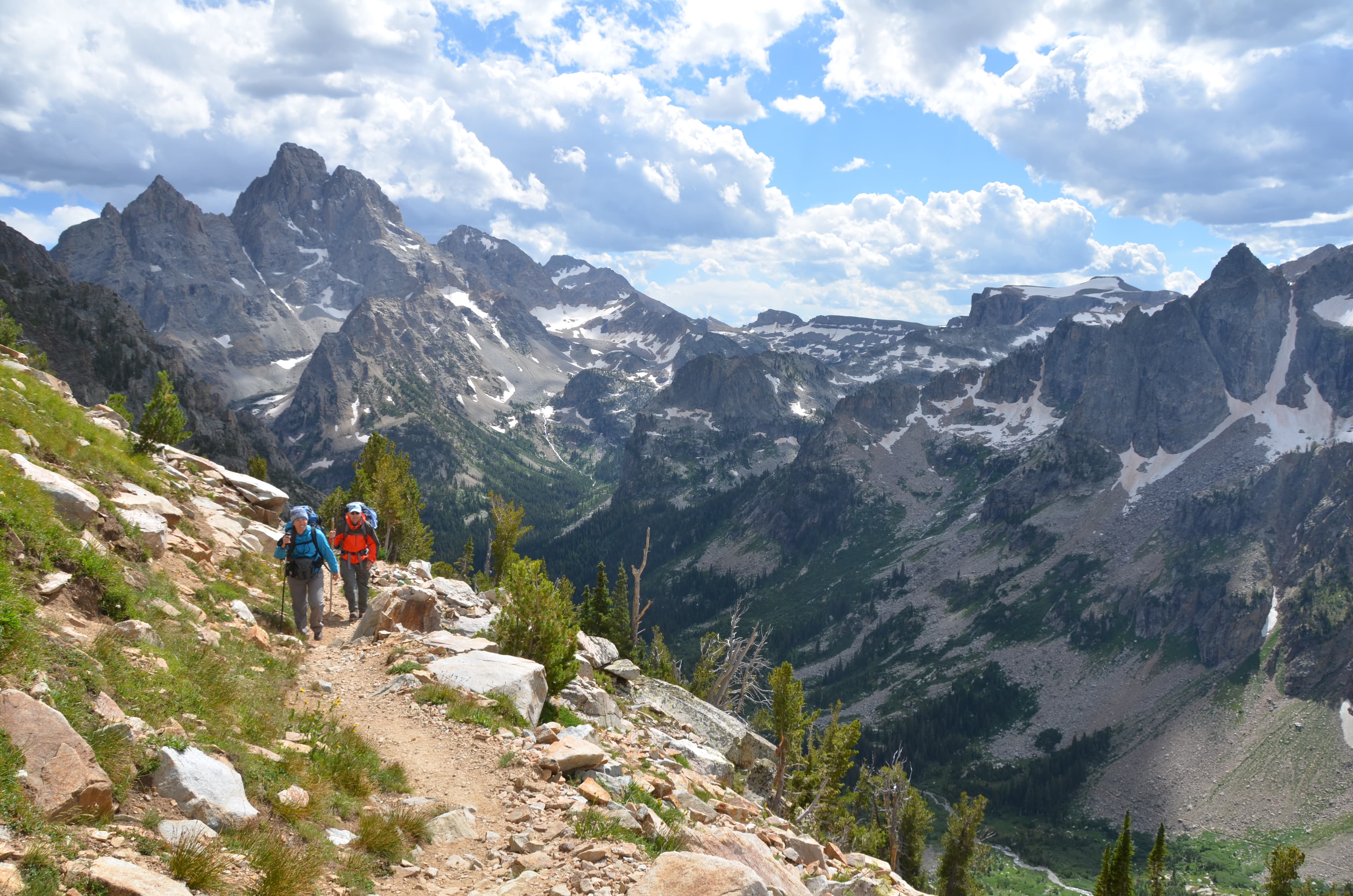
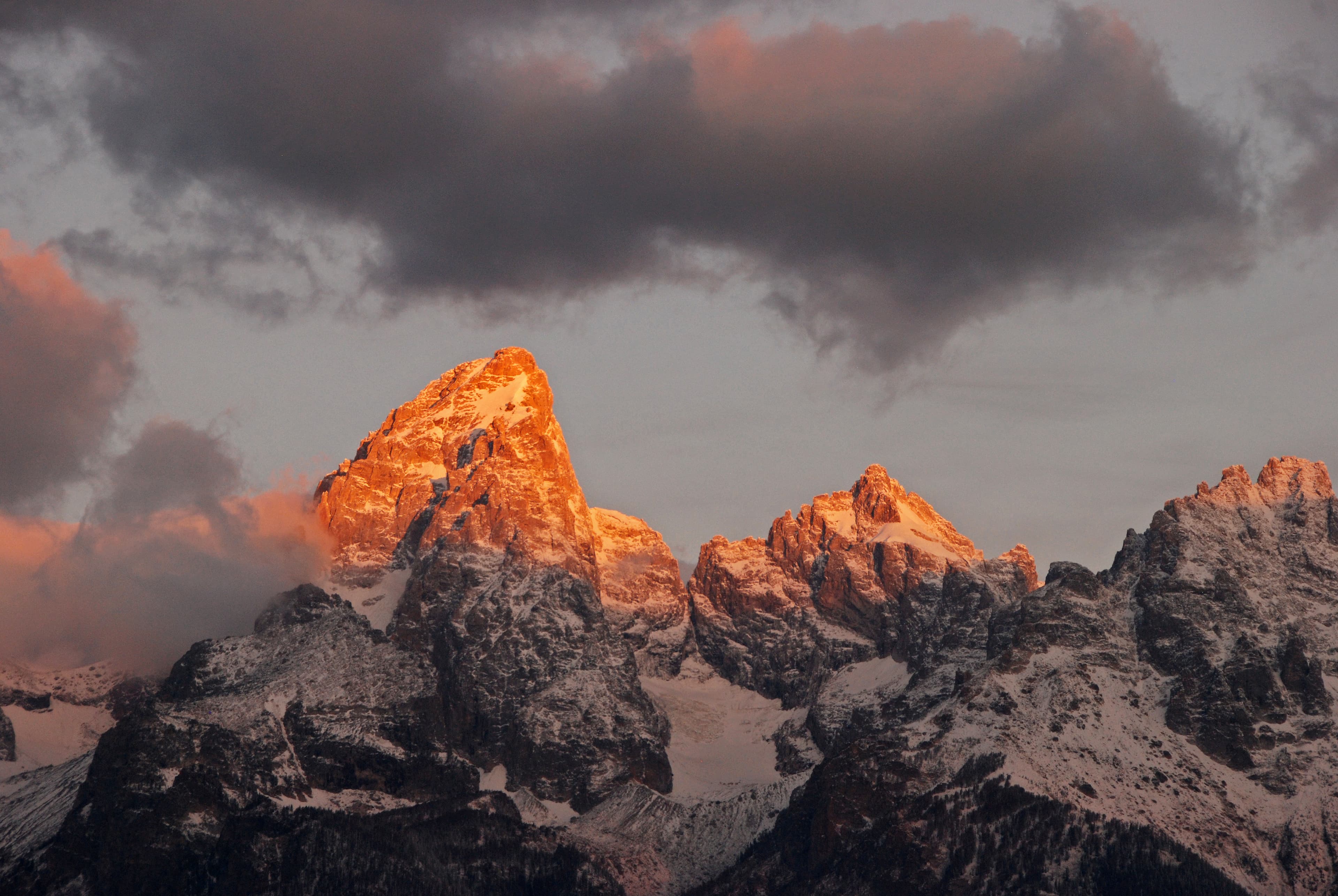
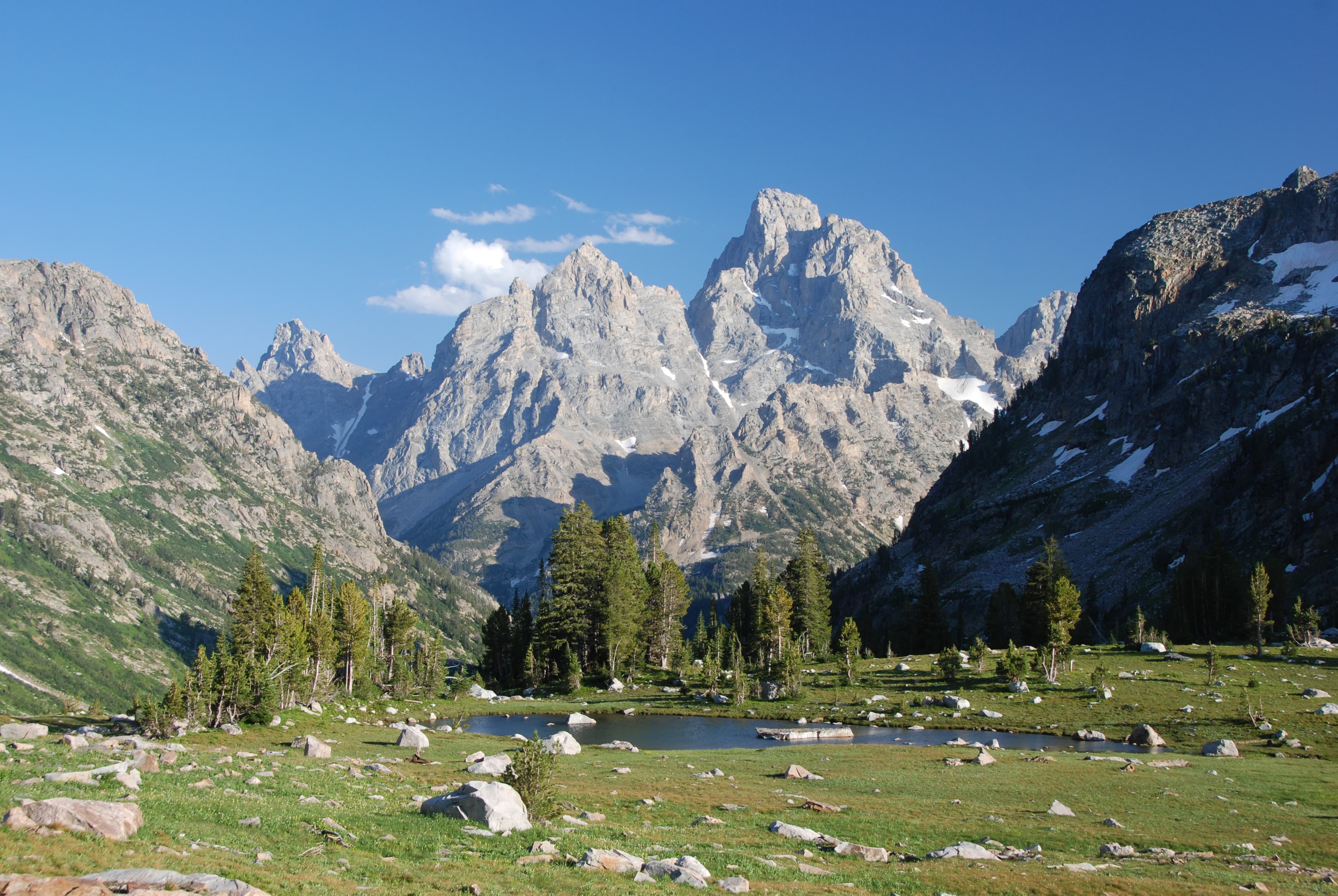
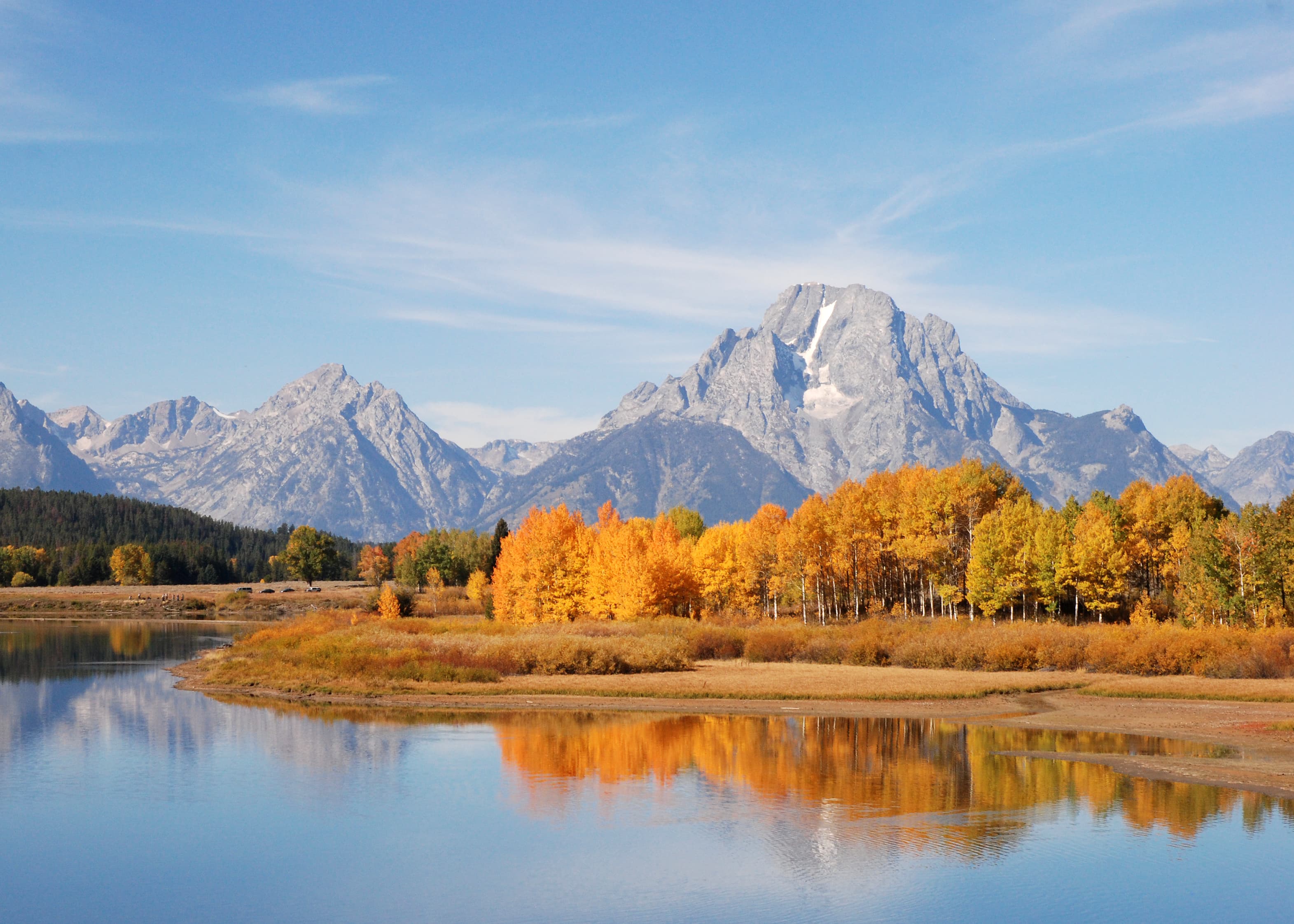
Grand Teton National Park protects 310,000 acres of dramatic mountain scenery in northwestern Wyoming, where the Teton Range rises sharply from the sagebrush flats of Jackson Hole without foothills. The Grand Teton summit reaches 13,770 feet, towering over glacier-carved canyons, alpine lakes, and the winding Snake River. The park sits just 10 miles south of Yellowstone, making the two parks a natural pairing for extended camping trips.
Seven frontcountry campgrounds offer a total of more than 800 sites across the valley, from the popular shores of Jenny Lake to the large Colter Bay complex on Jackson Lake. Gros Ventre is the largest campground with 279 sites and 39 electric hookups, one of the few national parks in the system with any hookups at all. Colter Bay includes an adjacent RV park with 112 full-hookup pull-through sites for rigs up to 45 feet.
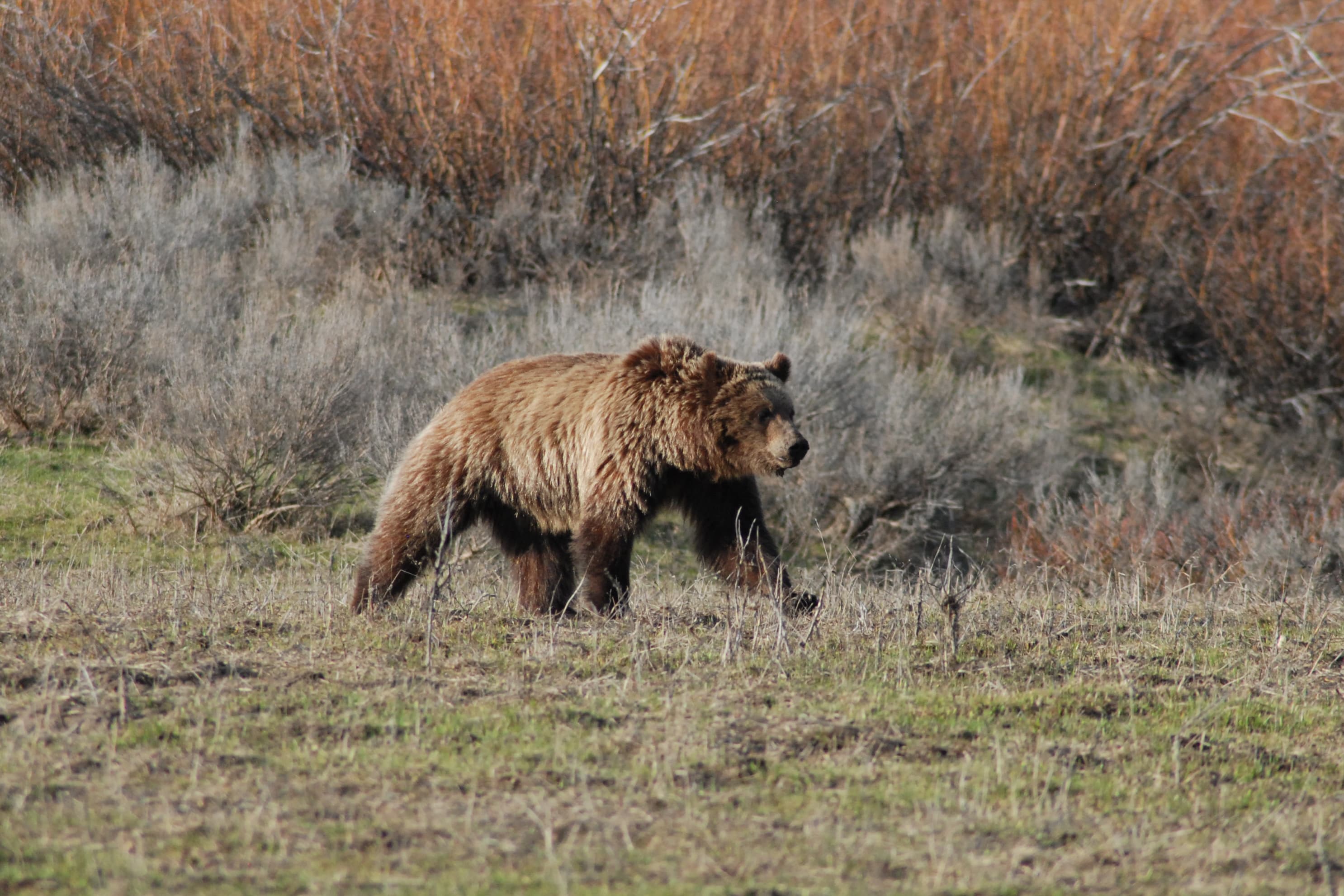
Wildlife viewing is exceptional throughout the park. Moose browse willows along the Snake River, pronghorn roam the sagebrush flats, and grizzly and black bears forage in berry patches from midsummer through fall. Schwabacher Landing and Oxbow Bend offer iconic sunrise reflection photographs of the Teton Range that rank among the most photographed scenes in the national park system.
Camping Tips for Grand Teton
- Reserve campgrounds through Recreation.gov up to six months in advance. Summer sites at Jenny Lake and Signal Mountain fill within hours of opening, so set a calendar reminder for your booking window.
- Gros Ventre Campground has 39 electric hookup sites and is the best option for RVs needing power. Colter Bay RV Park offers 112 full-hookup pull-through sites for rigs up to 45 feet at higher nightly rates.
- All food, coolers, and scented items must be stored in bear-proof lockers or hard-sided vehicles at all times when not in use. The park is home to both grizzly and black bears.
- Dogs are allowed in campgrounds and within 30 feet of roads but are prohibited on all trails, the paved multi-use pathway, and all park waters except Jackson Lake.
- Night temperatures drop into the 30s even in July and August. Bring warm sleeping bags rated to at least 20 degrees and layer clothing for wide temperature swings between day and night.
RV Parks & Campgrounds Near Grand Teton National Park
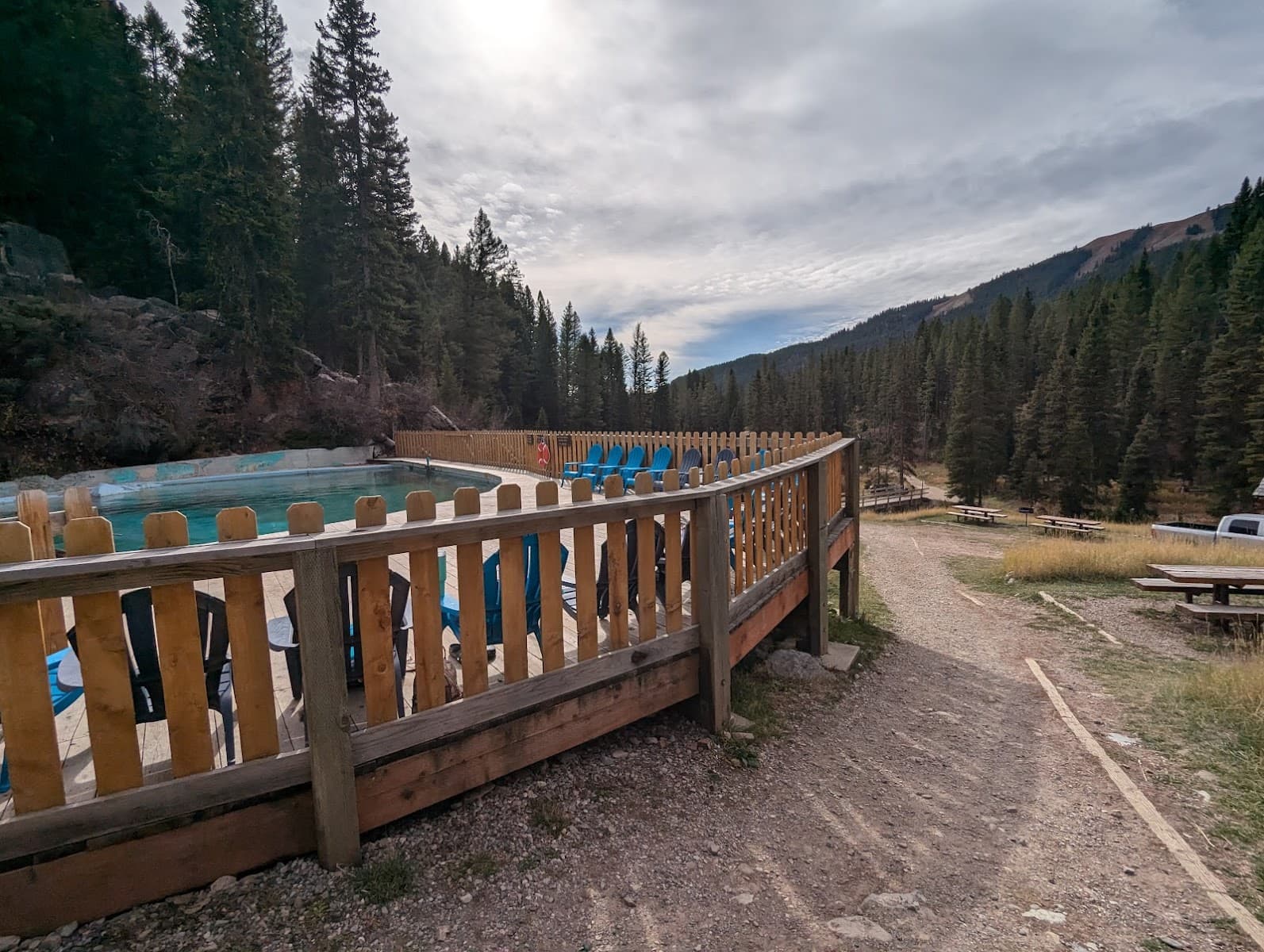
31.Granite Hot Springs & Camp
The Bridger-Teton National Forest offers a vast landscape of diverse recreational opportunities, from rugged backcountry adventures to family-friendly campgrounds. Whether you're...
Show more
32.Falls Campground
The United States Congress designated the Absaroka-Beartooth Wilderness in 1978 and it now has a total of 943,648 acres. Spanning the Montana-Wyoming border on the Shoshone,...
Show more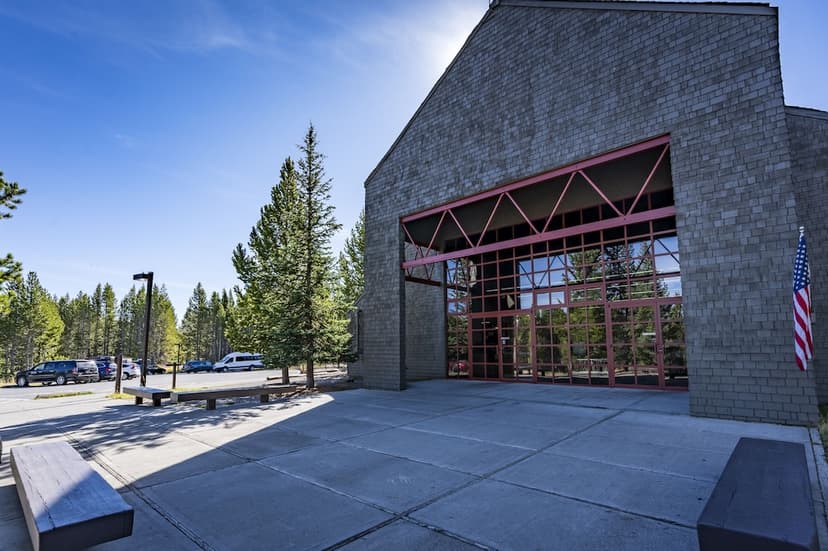
33.Grant Village Campground
Located on the southwest shore of Yellowstone Lake, the Grant Village Campground is situated at an elevation of approximately 7,800 feet in a lodgepole pine forest, just a few...
Show more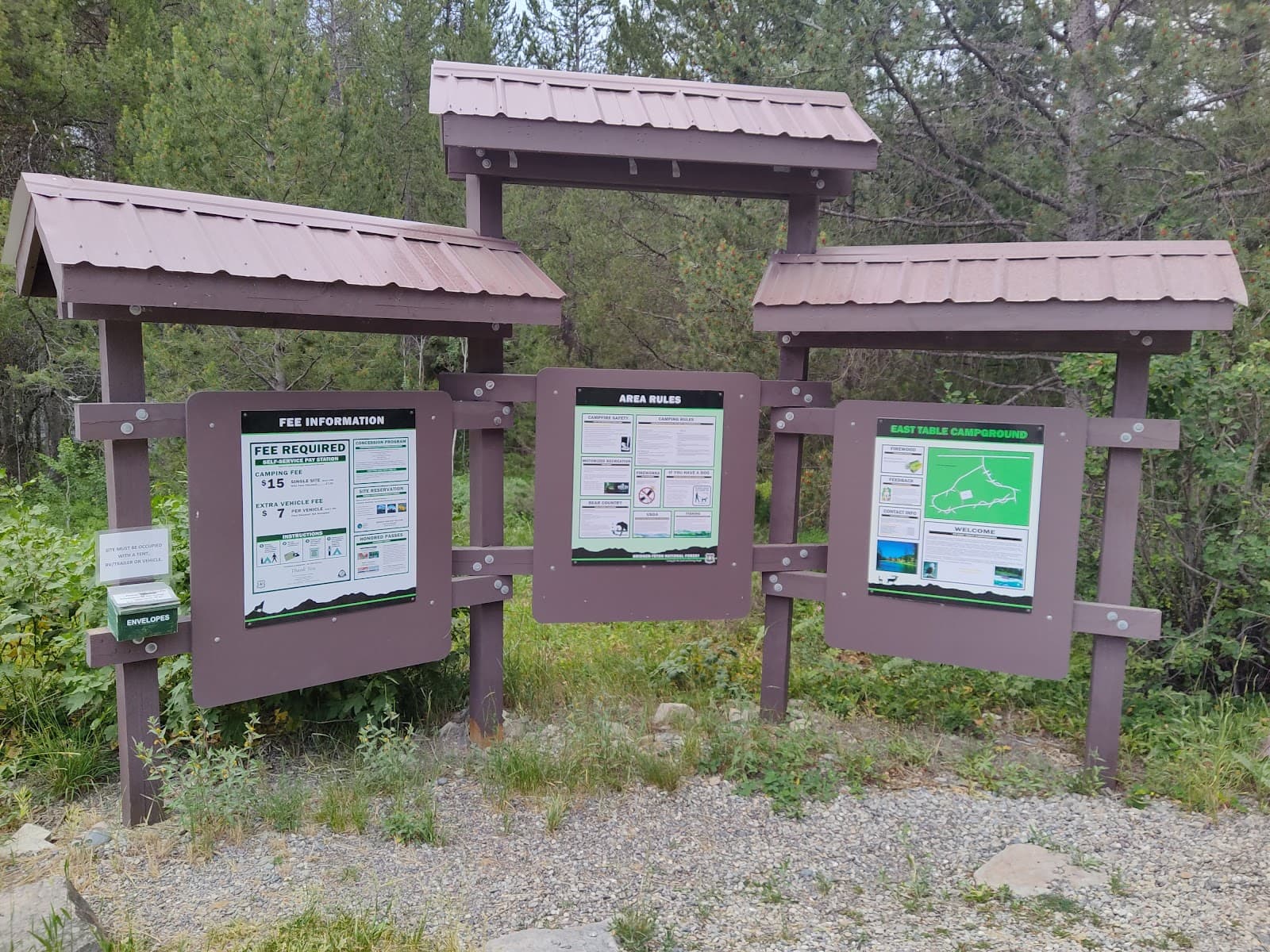
34.East Table Creek Campground
The Bridger-Teton National Forest offers a vast landscape of diverse recreational opportunities, from rugged backcountry adventures to family-friendly campgrounds. Whether you're...
Show more
35.Sheffield Campground
The Bridger-Teton National Forest offers a vast landscape of diverse recreational opportunities, from rugged backcountry adventures to family-friendly campgrounds. Whether you're...
Show more
36.Riverside Park Campground
The Caribou-Targhee National Forest offers a vast landscape of diverse recreational opportunities, from rugged backcountry adventures to family-friendly campgrounds. Whether...
Show more
37.Pinnacles Campground
The Shoshone National Forest offers a variety of recreation opportunities, including camping, hiking, and horseback riding. The forest is home to several campgrounds, including...
Show more
38.Atherton Creek Campground
The Bridger-Teton National Forest offers a vast landscape of diverse recreational opportunities, from rugged backcountry adventures to family-friendly campgrounds. Whether you're...
Show more
39.Calamity Campground
The Caribou-Targhee National Forest offers a vast landscape of diverse recreational opportunities, from rugged backcountry adventures to family-friendly campgrounds. Whether...
Show more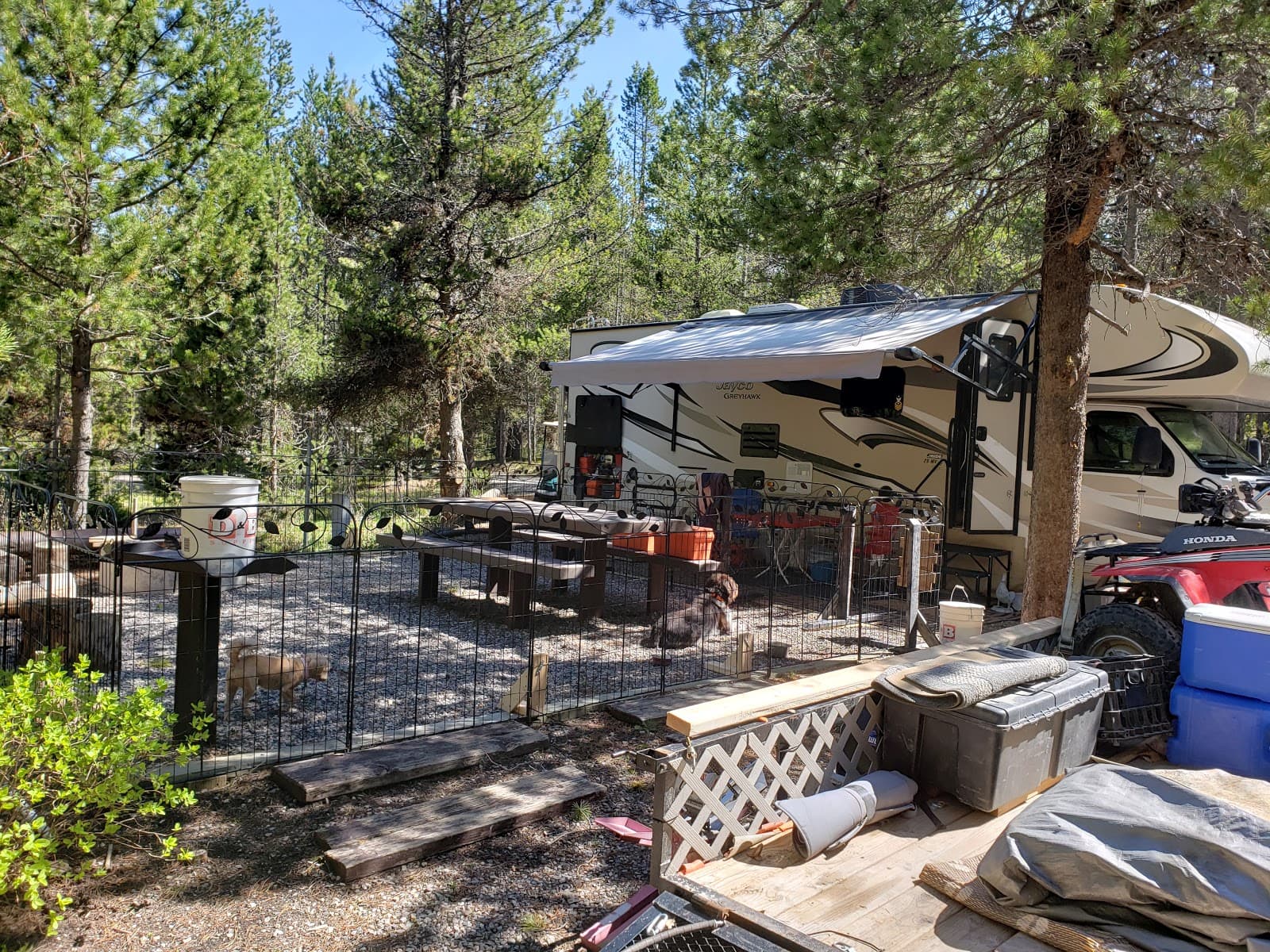
40.Upper Coffeepot Campground
The Caribou-Targhee National Forest offers a vast landscape of diverse recreational opportunities, from rugged backcountry adventures to family-friendly campgrounds. Whether...
Show moreShowing 31–40 of 205 campgrounds within 50 miles
Frequently Asked Questions
What campgrounds are inside Grand Teton National Park?
Grand Teton has seven campgrounds: Gros Ventre (279 sites, $51/night, 39 electric hookups), Colter Bay (338 sites, $61/night), Signal Mountain (81 sites, $51/night, 24 electric hookups), Jenny Lake (49 tent sites, $51/night), Lizard Creek (60 sites, $51/night), and two small first-come sites at Cottonwood Creek and Spread Creek.
Jenny Lake is tents-only with a 14-foot trailer maximum and a seven-day stay limit. Colter Bay also has an adjacent RV park with 112 full-hookup pull-through sites accommodating rigs up to 45 feet. Signal Mountain offers 24 electric hookup sites and one full-hookup site. Most campgrounds operate from May through September or October, with Cottonwood Creek and Spread Creek open year-round on a first-come basis.
Can I bring my dog to Grand Teton National Park?
Dogs on a leash of six feet or shorter are allowed in all campgrounds, parking lots, and within 30 feet of paved roadways. Dogs are prohibited on all hiking trails, the paved multi-use pathway, backcountry areas, and all park waters except Jackson Lake.
The pet policy in Grand Teton is more restrictive than many national parks. There are no dog-friendly trails in the park. For off-leash exercise or trail hiking with your dog, the adjacent Bridger-Teton National Forest allows dogs on most trails. Jackson has several dog-friendly restaurants and a dog park for exercise breaks.
Are there RV hookups at Grand Teton campgrounds?
Gros Ventre has 39 electric hookup sites at $51 per night. Signal Mountain offers 24 electric hookup sites and one full-hookup site. Colter Bay RV Park provides 112 full-hookup pull-through sites for rigs up to 45 feet at higher nightly rates. No other campgrounds have hookups.
For large RVs, Colter Bay RV Park is the best option with pull-through sites and full water, electric, and sewer connections. Dump stations are available at several campgrounds including Colter Bay and Gros Ventre. Jenny Lake has a 14-foot trailer maximum and no RVs. Lizard Creek limits RVs to 30 feet and trailers to 20 feet.
When is the best time to camp in Grand Teton?
Late June through early September offers the warmest weather with daytime highs in the 70s to low 80s and all facilities open. Early September is the sweet spot with fewer crowds, golden aspen foliage, and bugling elk across the valley.
July and August are the warmest months but also the busiest, with campgrounds fully booked months in advance. June brings wildflowers and longer days but nighttime temperatures can still dip below freezing at higher elevations. September offers spectacular fall color and fewer visitors, though some campgrounds begin closing mid-month. Night temperatures drop into the 30s year-round, even in midsummer.
How close is Grand Teton to Yellowstone National Park?
Grand Teton's north boundary sits just 10 miles from Yellowstone's south entrance. The John D. Rockefeller Jr. Memorial Parkway connects the two parks with no gap in between. A single seven-day entrance pass covers both parks.
Many visitors combine both parks in one trip, camping in Grand Teton for the mountain scenery and driving north into Yellowstone for geysers and wildlife. The drive from Jackson to Old Faithful takes about two hours. Colter Bay and Lizard Creek campgrounds in northern Grand Teton offer the shortest drive to Yellowstone's attractions.
What wildlife will I see in Grand Teton?
Grand Teton is one of the best wildlife viewing parks in the system. Moose feed along the Snake River and Willow Flats, bison and pronghorn graze the sagebrush flats, and grizzly bears, black bears, wolves, and elk are regularly spotted throughout the valley.
Dawn and dusk are the best times for wildlife viewing. Oxbow Bend and Schwabacher Landing are top spots for moose and beavers. The Antelope Flats area near Mormon Row is reliable for bison and pronghorn. Maintain 100 yards from bears and wolves, and 25 yards from all other wildlife. Bring binoculars and a telephoto lens for safe viewing distances.
Do I need bear spray in Grand Teton?
Bear spray is strongly recommended for all visitors, especially those hiking or camping. The park is home to both grizzly and black bears. Bear spray has proven more effective than firearms at preventing injury during bear encounters in studies across the Greater Yellowstone Ecosystem.
Bear spray is available for purchase at park visitor centers and in Jackson. Keep it accessible, not buried in a pack. All food, garbage, coolers, and scented items must be stored in bear-proof containers or hard-sided vehicles when not in active use. Backcountry campers below 10,000 feet must use approved bear canisters. Report all bear sightings to rangers.
What are the best hikes in Grand Teton National Park?
Top hikes include Cascade Canyon to Hidden Falls and Inspiration Point (5.9 miles round trip via boat shuttle), Taggart Lake (3 miles round trip), Delta Lake (7.4 miles round trip with scrambling), Lake Solitude (14.4 miles round trip), and the Teton Crest Trail for multi-day backpacking.
The Jenny Lake boat shuttle shortens the Cascade Canyon hike by 2 miles each way and is well worth the fee. Taggart Lake is the best family-friendly option with gentle elevation gain and mountain views. Delta Lake offers a challenging off-trail scramble with a rewarding alpine lake payoff. For experienced hikers, the Paintbrush Canyon to Cascade Canyon loop covers 19 miles with over 4,000 feet of elevation gain.
Quick Facts
- Entrance Fee
- $35/vehicle (7 days)
- Best Time to Visit
- Late June – mid-September
- Nearest Town
- Jackson, WY, Teton Village, WY, Wilson, WY
- Elevation
- 6,310 – 13,770 ft
- Park Size
- 310,000 acres
- Annual Visitors
- ~3.9 million