Camping Near National Park of American Samoa
American Samoa | Established 1988
About National Park of American Samoa
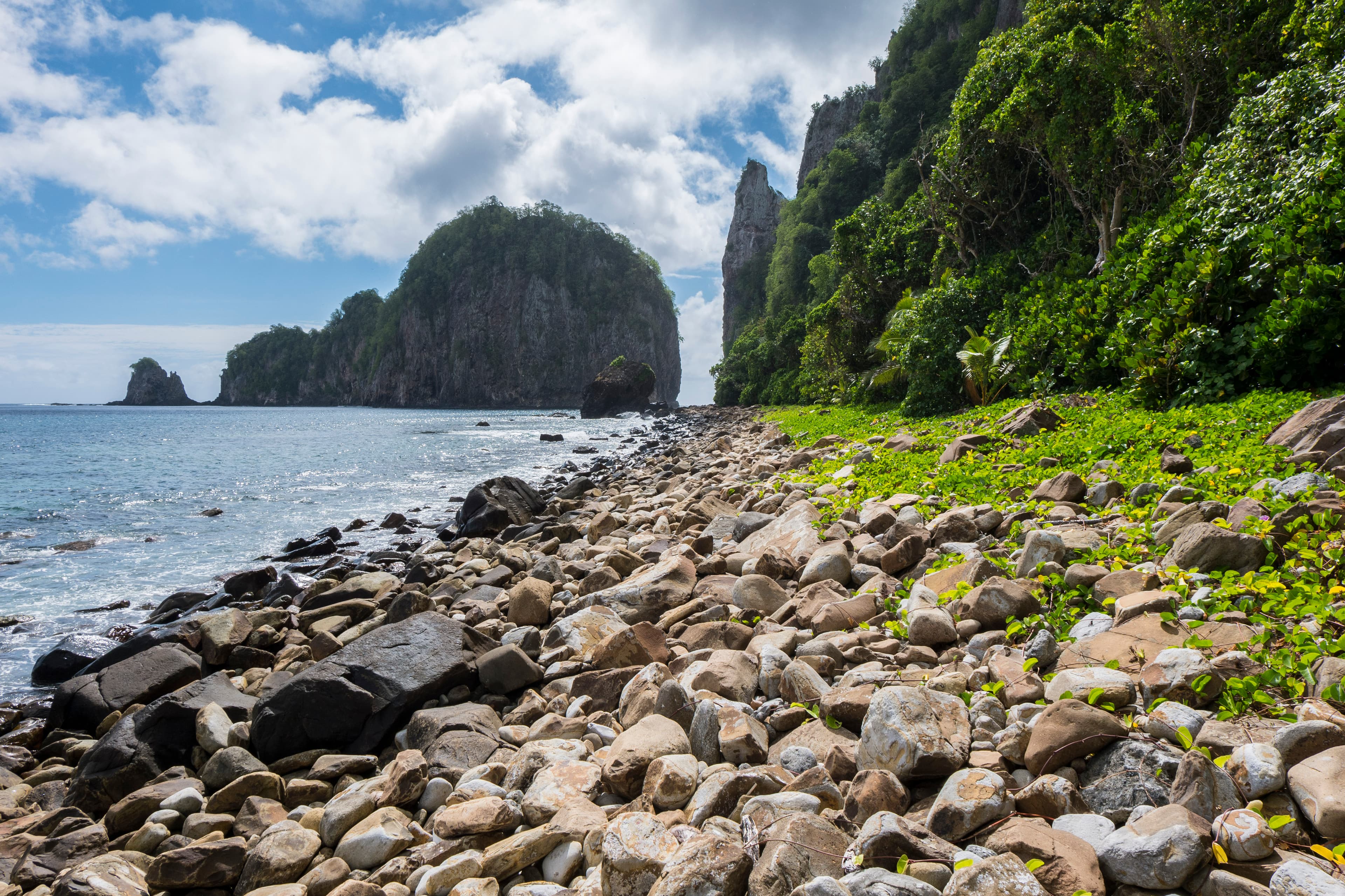
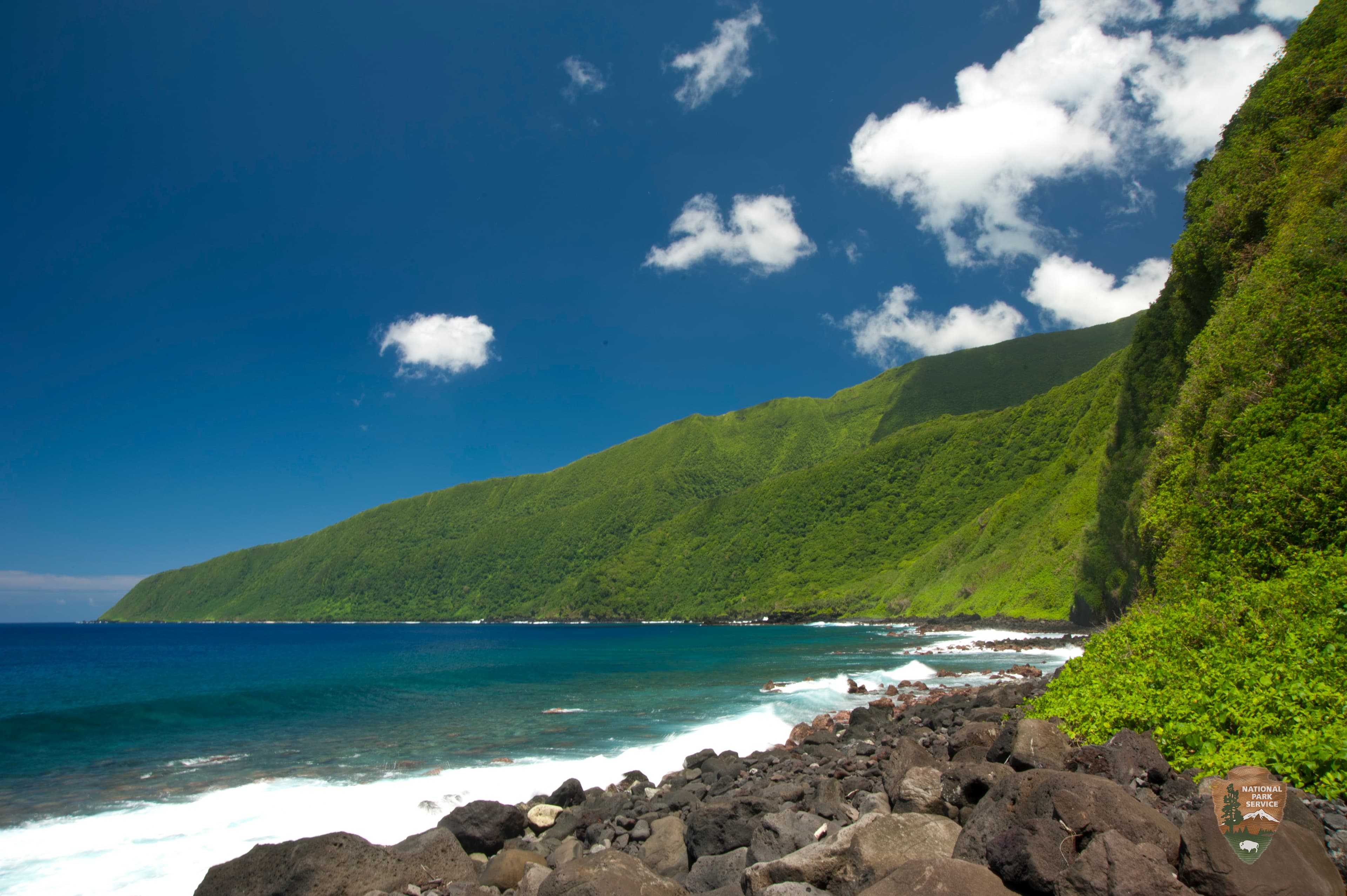
The National Park of American Samoa spans 8,257 acres across three volcanic islands in the remote South Pacific: Tutuila, Ta'u, and Ofu. Located 2,600 miles southwest of Hawaii, this park protects the only paleotropical rainforest in the US national park system and some of the healthiest Indo-Pacific coral reefs under American jurisdiction. Flying foxes (fruit bats) are the only native mammals.
Unlike any other national park, the land here is not federally owned. Village councils lease parkland to the NPS under 50-year agreements that preserve the Samoan way of life (fa'asamoa). No traditional campgrounds exist. Visitors arrange homestays with local families through the park visitor center in Pago Pago, sleeping in open-air fale structures and sharing meals prepared by their hosts.
Camping Tips for National Park of American Samoa
- No campgrounds exist in the park. Overnight stays require a homestay with a Samoan family, arranged through the park visitor center in Pago Pago (684-633-7082). Contact the park at least two weeks in advance to coordinate availability.
- Homestays typically cost $50 to $100 per night per person and include meals prepared by your host family. Expect to sleep in a traditional open-air fale (thatched-roof structure). Bring a lightweight sleeping bag or sheet for comfort.
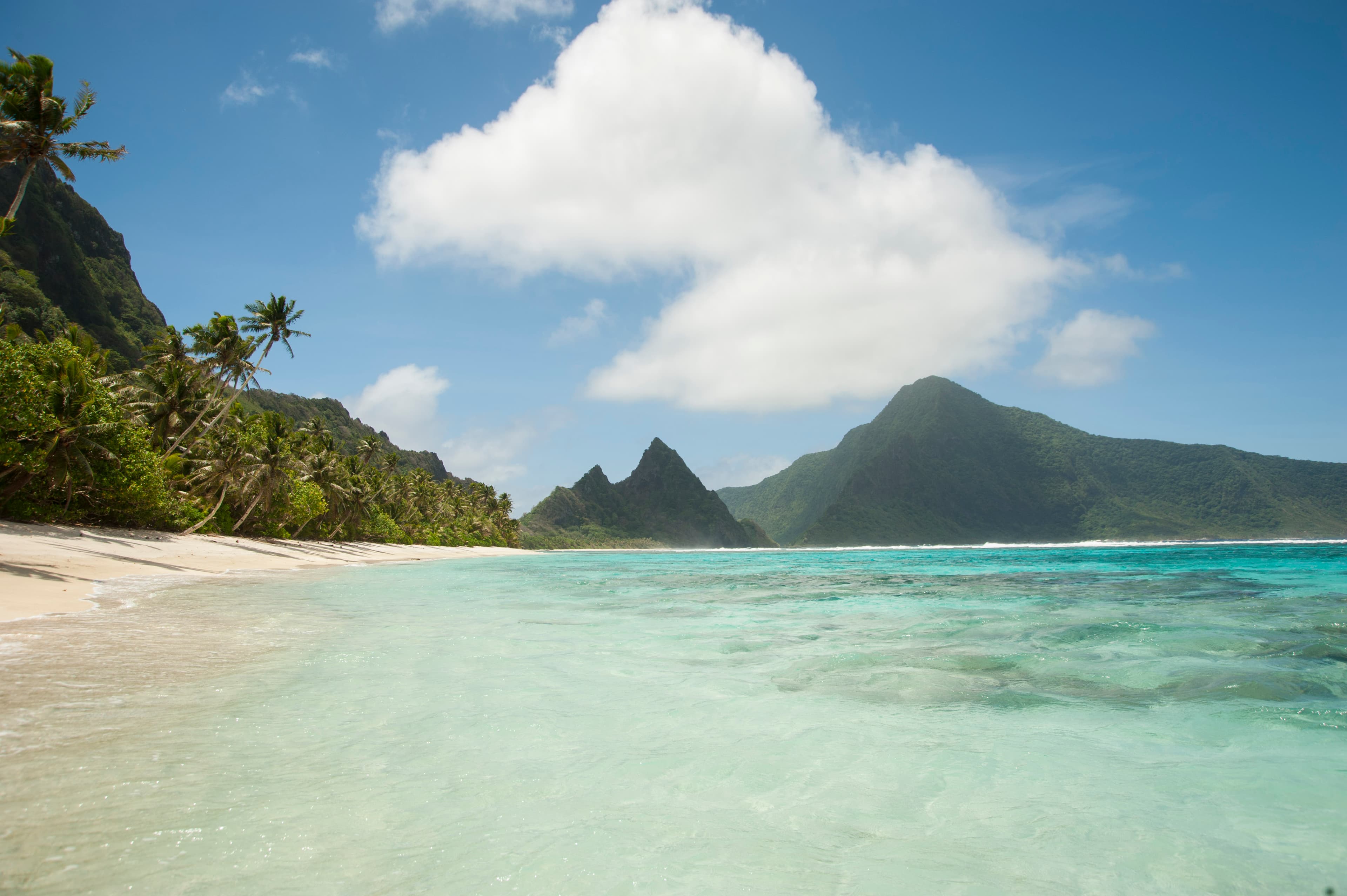
- Ofu Beach on Ofu Island offers the best snorkeling in the park, with coral gardens accessible from shore. Inter-island flights from Pago Pago to Ofu on Samoa Airways operate a few times per week and cost approximately $150 round trip.
- Pack reef-safe sunscreen, insect repellent with DEET, and lightweight rain gear. Humidity exceeds 80 percent year-round. Bring at least three liters of water for any hike, as stream water requires treatment.
- Respect village customs. Ask permission before entering villages or taking photographs. Sunday is a day of rest in Samoan culture, and most villages restrict activities. Dress modestly (cover shoulders and knees) when visiting communities.
RV Parks & Campgrounds Near National Park of American Samoa
No campgrounds found within 15 miles. Try searching nearby towns.
Frequently Asked Questions
How do I get to the National Park of American Samoa?
Fly to Pago Pago International Airport on Tutuila Island. Hawaiian Airlines operates twice-weekly flights from Honolulu (five hours). No direct flights from the US mainland exist. From Pago Pago, the park visitor center is a short drive in Pago Pago village. Inter-island flights reach Ta'u and Ofu.
Round-trip airfare from Honolulu to Pago Pago runs $600 to $1,200 depending on season. Samoa Airways operates small inter-island flights to Ta'u and Ofu for approximately $100 to $150 round trip, but schedules are limited to a few flights per week and weather cancellations are common. Build flexible travel days into your itinerary. The park visitor center in Pago Pago is open weekdays 8:00 AM to 3:00 PM and provides maps, trail information, and homestay coordination. No public transit serves the park directly; taxis and rental cars are available on Tutuila.
What is a homestay and how do I arrange one?
Homestays place visitors with Samoan families in traditional villages within the park. You sleep in an open-air fale, eat home-cooked Samoan meals, and experience fa'asamoa (the Samoan way of life). Contact the park visitor center at 684-633-7082 to arrange a homestay at least two weeks before your visit.
Homestay families live in villages that lease land to the park, including Vatia and Afono on Tutuila and Fitiuta on Ta'u. Rates typically range from $50 to $100 per night per person including meals. Expect communal dining with dishes featuring taro, breadfruit, coconut, and fresh fish. Fale sleeping structures have raised platforms with mats and are open-sided for ventilation. Bring a lightweight sleeping bag or sheet. Hosts appreciate small gifts from home. Availability is limited, so advance coordination through the park office is essential.
What hiking trails are available?
Mount Alava Trail on Tutuila climbs 1,610 feet over 3.5 miles to a ridgeline with views of Pago Pago Harbor. The trail passes through dense rainforest with fruit bats overhead. On Ta'u, the Si'u Point Trail and Laufuti Falls Trail offer coastal and waterfall hikes through old-growth tropical forest.
Mount Alava Trail is the most popular hike and takes three to four hours round trip. The trail is steep, muddy, and slippery in wet conditions. Wear sturdy shoes with ankle support and bring plenty of water. Trail markers can be obscured by vegetation, so pick up a current map at the visitor center. On Ofu, a beach trail connects the park's coral reef areas. Ta'u trails are less maintained and may require route-finding skills. Rangers occasionally lead guided hikes; check the visitor center schedule. All trails close during severe weather warnings.
What is the best snorkeling in the park?
Ofu Beach on Ofu Island has the park's healthiest coral reefs with visibility reaching 100 feet on calm days. The reef begins just offshore and supports over 250 coral species. On Tutuila, the reef near Vatia village offers good snorkeling when seas are calm, with parrotfish, clownfish, and sea turtles.
Ofu's reef system is considered among the most resilient coral ecosystems in the world, having survived bleaching events that devastated reefs elsewhere. Bring your own snorkel gear, as no rentals are available on Ofu or within the park. The best snorkeling conditions occur during the dry season (June through September) when seas are calmer and visibility peaks. Avoid snorkeling during outgoing tides or rough surf. Reef-safe sunscreen is essential to protect the coral. Sea turtles are protected under federal law and must not be touched or harassed.
When is the best time to visit?
The dry season from June through September offers the best weather with lower humidity, calmer seas for snorkeling, and less rainfall. The wet season from October through May brings frequent heavy rain, higher humidity, and occasional tropical storms. Temperatures remain warm year-round, averaging 80 to 85 degrees Fahrenheit.
Even during the dry season, brief rain showers occur almost daily in the rainforest. The wet season sees sustained downpours that can make trails impassable for days. Tropical cyclone risk peaks from January through March. Air temperatures vary little between seasons, but the dry season feels more comfortable due to lower humidity and steady trade winds. Water temperatures stay between 80 and 84 degrees year-round, making snorkeling comfortable without a wetsuit. Peak visitor months are July and August when American school holidays align with the dry season.
What wildlife can I see in the park?
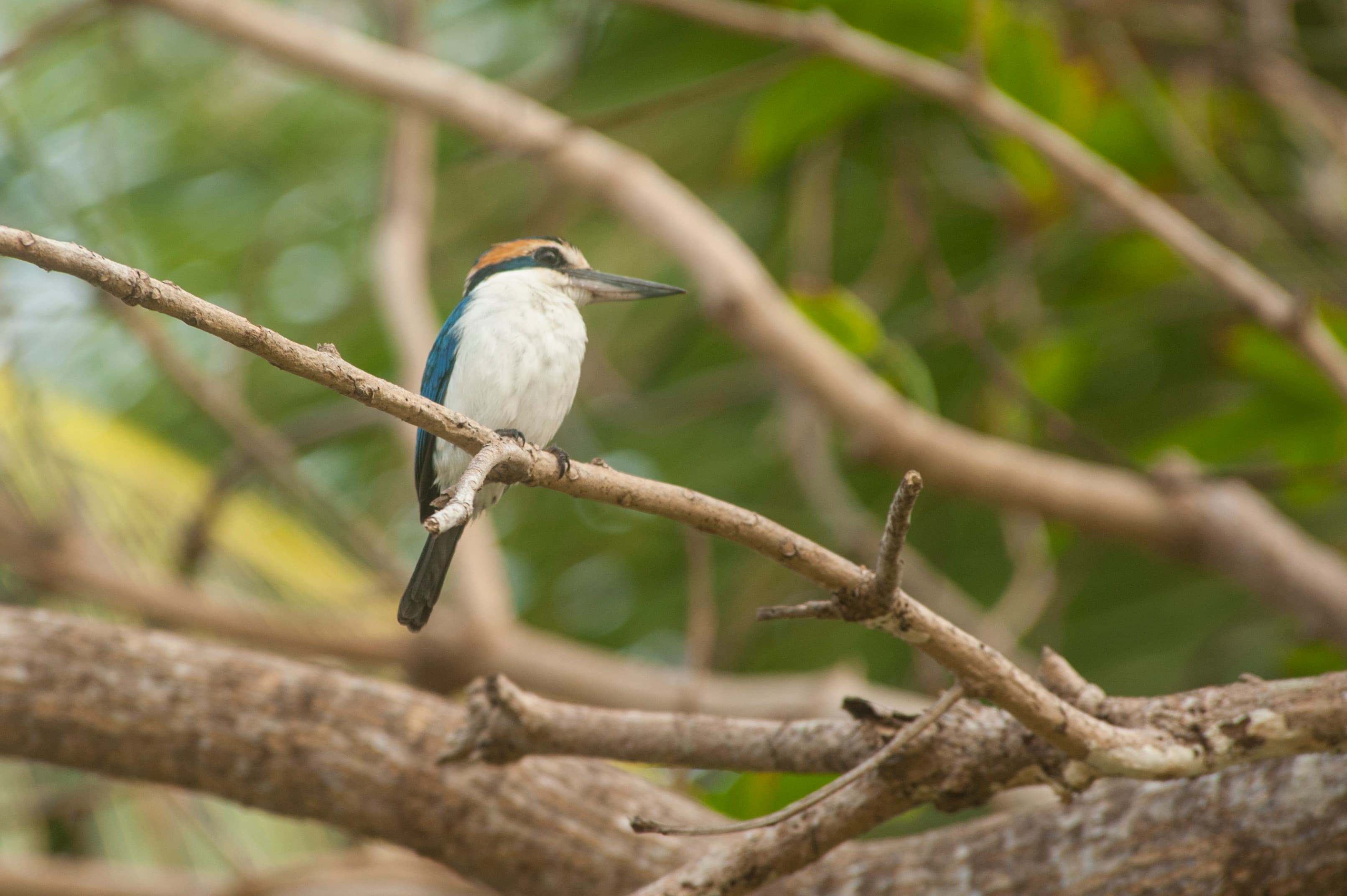
Samoan fruit bats (flying foxes) are the park's signature species, with wingspans reaching three feet. They roost in rainforest canopy and fly at dusk. Green sea turtles nest on park beaches. Over 900 fish species and 250 coral species inhabit the reef systems. Native birds include Pacific pigeons and honeyeaters.
The Samoan flying fox and the white-naped fruit bat are both protected species found throughout the park's rainforest. Look for them at dawn and dusk when they move between roosting and feeding trees. Humpback whales pass through nearby waters from July through October. Coconut crabs, the world's largest terrestrial arthropods, are occasionally spotted on forested trails. Reef fish include butterflyfish, surgeonfish, triggerfish, moray eels, and manta rays in deeper waters. Do not feed or touch any wildlife. Fruit bat populations have declined from hunting and habitat loss.
What cultural customs should I follow?
Samoan villages within the park are active communities, not tourist attractions. Always ask permission before entering a village or photographing people and homes. Cover shoulders and knees when visiting communities. Sunday is sacred; avoid hiking through villages or making noise. Remove shoes before entering a fale.
Fa'asamoa (the Samoan way) governs daily life in park villages. Village councils (fono) set local rules that visitors must follow. During the evening prayer time (sa), typically 6:00 to 7:00 PM, remain quiet and stationary if you are in or near a village. Sharing food is a cornerstone of Samoan hospitality; accept offerings graciously. Bring a small gift for your homestay family, such as canned goods, fabric, or items from your home region. Learning a few Samoan greetings (talofa for hello, fa'afetai for thank you) is appreciated and opens doors.
Is the park accessible for families with children?
The park works for adventurous families, though limited infrastructure requires planning. Ofu Beach is shallow and calm for children to wade and snorkel. Trails on Tutuila are steep and muddy, better suited for older children. Homestays provide a cultural immersion experience that children find engaging and memorable.
Families should focus on Tutuila for accessibility, as inter-island flights to Ofu and Ta'u are unpredictable. The visitor center in Pago Pago has exhibits and ranger-led programs suitable for all ages. Bring child-friendly insect repellent and sun protection. Medical facilities on Tutuila are limited to LBJ Tropical Medical Center in Pago Pago. No pharmacies or medical facilities exist on Ofu or Ta'u. Pack a comprehensive first-aid kit. Children under 12 typically receive reduced homestay rates. Families with young children should confirm fale sleeping arrangements in advance.
Quick Facts
- Entrance Fee
- Free (no entrance fee)
- Best Time to Visit
- June – September
- Nearest Town
- Pago Pago, AS, Tafuna, AS, Fagatogo, AS
- Elevation
- 0 – 3,170 ft
- Park Size
- 8,257 acres
- Annual Visitors
- ~15,000